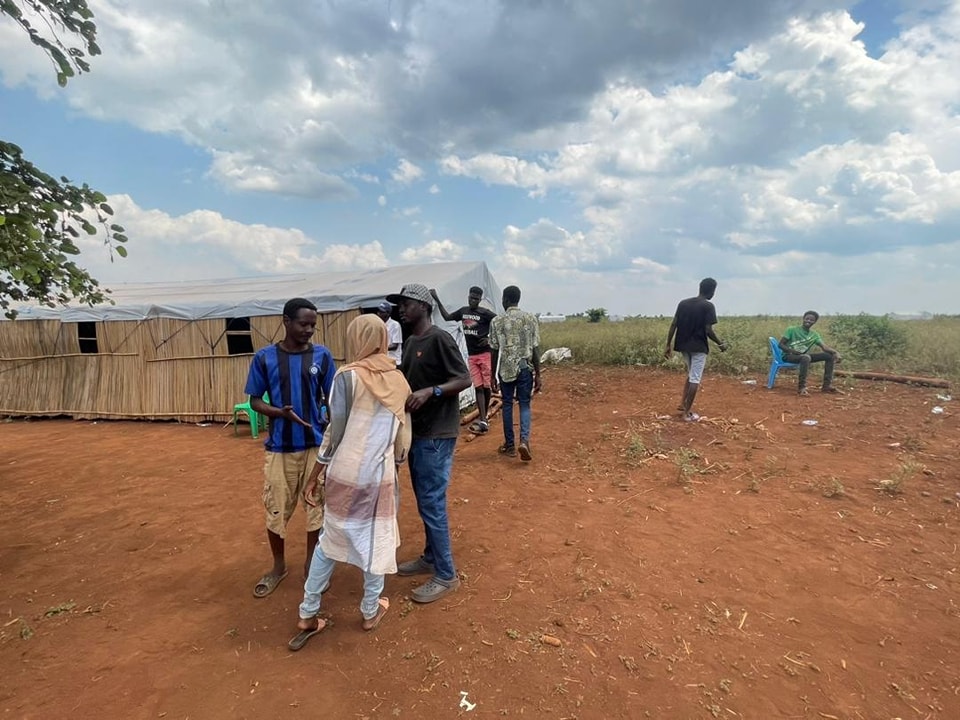
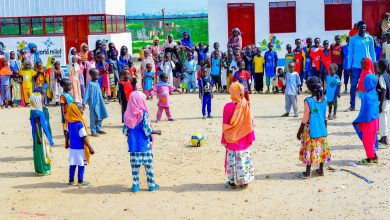
As the sun sets, activity inside Kiryandongo Refugee Settlement in Bweyale, about 200 kilometers north of Uganda’s capital, Kampala, gradually comes to a halt. Many Sudanese refugees choose to remain inside their shelters as night falls.
Alongside the severe economic hardships faced by most Sudanese refugees in the camps, many are also living with constant fears of violence within their own communities.
In July 2025, at least 24 Sudanese refugees were injured during an attack on residential clusters within the settlement.
Serious Concerns
(A.H.), a Sudanese refugee and mother of three daughters, says her greatest concern since arriving at the camp has not been food or shelter, but the safety of her children.
Speaking to Mashaweer, she said:
> “Before the war, we worried about our children getting sick or going hungry. Here, I spend all my time thinking about how to keep my daughters safe. I never allow them to go anywhere alone—not even to the toilets. If we have to go out at night, we move together with other women because being in a group makes us feel safer.”
She added:
> “Sometimes I need to go out after dark, but I wait until I can find someone to accompany me. Fear has become part of our daily lives, and every mother here understands that feeling.”
Women and Girls Most at Risk
According to the United Nations, women and girls are the group most vulnerable to gender-based violence (GBV) during armed conflicts and displacement, both while fleeing and inside refugee camps.
The United Nations Population Fund (UNFPA) notes that conflicts often increase the risks of harassment, exploitation, and sexual violence, highlighting the urgent need for protection services as well as medical, psychological, and legal support.
Raising Awareness and Encouraging Reporting
In a related context, Salah Ahmed Al-Zain, a volunteer working in refugee camps, told Mashaweer:
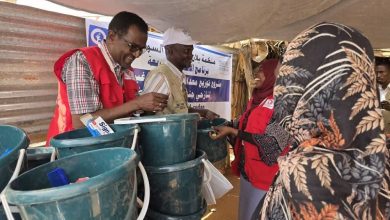
> “We have clear and confidential mechanisms for reporting any incidents of violence or exploitation. We also provide psychological support and referrals to medical and legal services whenever needed.”
He added:
> “The problem is that many women do not report what they have experienced because they fear social stigma or the reactions of those around them.”
He continued:
> “Sometimes survivors reach us long after the incident, making it more difficult to provide certain services. That is why we also focus on community awareness and encourage women to seek help as early as possible.”
Humanitarian Response
The United Nations High Commissioner for Refugees (UNHCR) identifies gender-based violence as one of the most serious protection risks in refugee settings. In response, the agency works with governments and partner organizations to establish safe spaces for women and girls and to provide psychosocial support, healthcare, and legal referral services.
The UNFPA also emphasizes that reported cases represent only a fraction of the true scale of the problem, as many survivors choose not to report incidents due to fear of stigma or losing family and community support.
Lasting Psychological Impact
The consequences of these violations extend far beyond physical injuries. Mental health specialists say many survivors experience anxiety, sleep disorders, depression, and symptoms of post-traumatic stress disorder (PTSD), with effects that can persist for years if specialized support is unavailable.
Despite ongoing efforts by humanitarian organizations, the continuous arrival of refugees and limited funding are placing increasing pressure on protection programs.
Humanitarian workers stress that improving lighting in public areas, securing water collection points, increasing the number of protection staff, and ensuring women’s participation in camp management are all practical measures that can reduce risks and strengthen the sense of safety among refugee women.