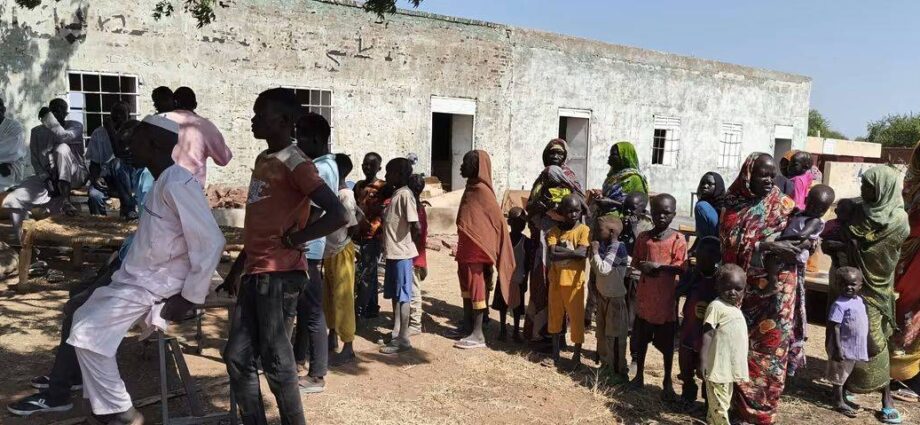
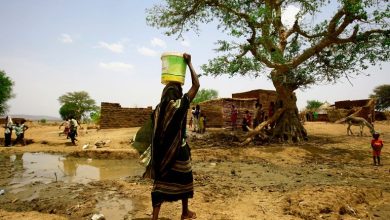
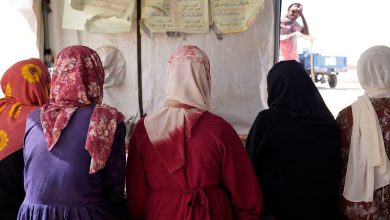
Overnight, the once-quiet villages of the Maqanza area were transformed into routes of forced escape, as hundreds of families were compelled to abandon their homes and farms in search of safety from the ongoing military clashes.
This tragic humanitarian situation has left thousands of civilians facing a struggle for survival amid scarce resources and difficulties accessing humanitarian assistance.
According to field monitoring by the Emergency Lawyers Group, approximately 325 families, comprising between 1,620 and 1,890 people, have been displaced from the Maqanza area in Bao Locality, Blue Nile Region, following the entry of the Rapid Support Forces (RSF) and their allies on 21 November 2026.
As a result, these families are facing extremely complex humanitarian conditions in their new places of displacement.
Where Have They Gone?
Most families fleeing Maqanza have headed to the towns of Damazin and Roseires, while others have sought refuge in displacement camps in neighbouring localities and Sennar State.
According to a statement by the Emergency Lawyers Group, residents fled their homes in haste, leaving behind their belongings. Moreover, those escaping were forced to take mountainous routes and difficult valleys in order to reach safer areas.
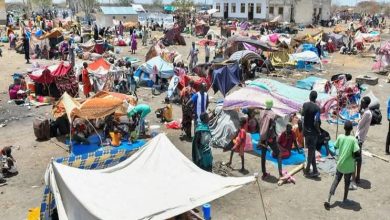
Roseires Locality received large numbers of displaced people at Al-Azaza Camp through local evacuation efforts, while Damazin, the regional capital, accommodated hundreds of families in schools and informal shelter centres.
In addition, other families headed towards Tadamon Locality, while some were forced to continue their displacement northwards to Sennar State in search of stability.
Where Are They Getting Their Food?
Displaced people are relying on emergency food supplies from the World Food Programme (WFP), alongside local solidarity initiatives and popular support committees.
Meanwhile, the region’s 27 shelter centres are facing enormous pressure that exceeds their accommodation capacity.
To address this shortfall, the World Food Programme has launched a plan to distribute life-saving food assistance to approximately 60,000 newly displaced people in Blue Nile.
On the other hand, local residents are sharing their limited food resources with approximately 55% of displaced households across the region, while community kitchens (Takyas) and popular committees provide basic daily meals in the Roseires and Damazin camps despite their limited resources.
First-hand Accounts from the Heart of the Tragedy: What Are Displaced People Saying?
Those fleeing Maqanza recount harrowing details of their escape under bombardment and their daily struggles to secure shelter and food for their children.
Fatima Ali, a displaced mother of four who arrived at Al-Azaza Camp in Roseires after a two-day journey on foot, told Mashawir:
“We left with only the clothes we were wearing when the gunfire intensified. We could not take any food or blankets with us. Now, we depend on a single meal provided by the local community kitchen, while my children sleep on the bare ground in the open.”
Meanwhile, Adam, a farmer from Maqanza who sought refuge at a shelter centre in Damazin, described the extent of his losses, telling Mashawir:
“We left our crops ready for harvest and fled through the valleys out of fear for our lives. People here are sharing the little they have with us, but the numbers are large and the needs exceed everyone’s capacity.”
For her part, Hawa, who fled with her elderly mother to Tadamon Locality, highlighted the health and food-related challenges, telling Mashawir:
“The journey along difficult roads exhausted the elderly. Today, we are suffering from severe shortages of drinking water and medicines, and we are waiting for humanitarian organisations to arrive and help rescue the situation.”
What Are Officials and Experts Saying About the Crisis?
Human rights advocates and local officials have warned that the humanitarian disaster could worsen if urgent relief intervention is delayed.
In this context, the Emergency Lawyers Group explained that the escalation of military operations in Bao and Maqanza had triggered a widespread wave of forced displacement.
The group added that civilians are facing serious risks, including a lack of shelter and food, as well as disruptions to essential services.
For his part, the Commissioner of Kurmuk stressed that local humanitarian assistance capacities had become extremely limited. He called on regional and international organisations to intervene immediately to address the needs of children and women at Al-Azaza Camp.
Meanwhile, Qisma Abdel Karim Deldoum, the Commissioner for Humanitarian Aid in Blue Nile Region, noted that the region was facing unprecedented pressure. She emphasised that continued displacement was creating growing challenges in providing food and safe drinking water inside shelter centres.