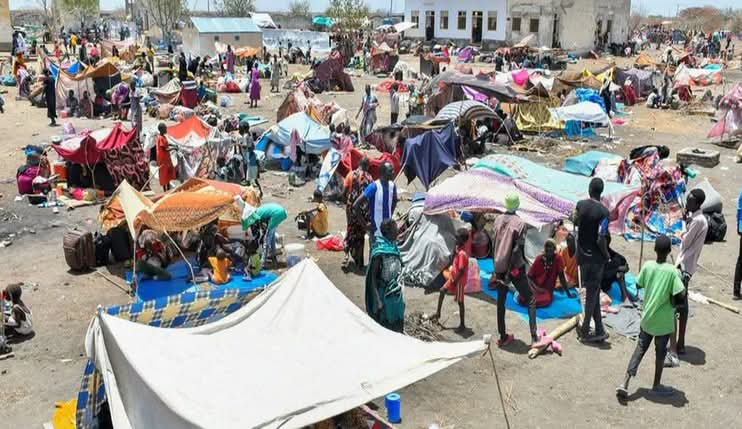
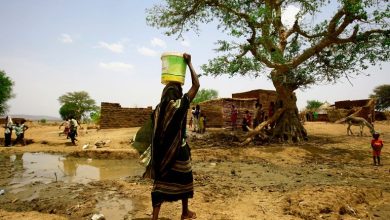
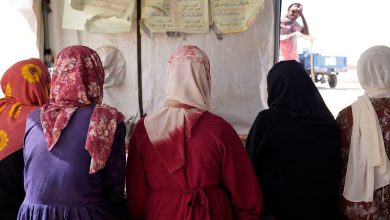
The areas occupied by displacement camps in El Obeid, the capital of North Kordofan State, are expanding rapidly as families continue to flee conflict zones and seek refuge in the city.
Recent satellite imagery reveals dramatic changes in the urban landscape of shelter centres across the city, with new informal settlements emerging and rows of tents becoming unusually congested.
At the same time, this horizontal expansion reflects the growing humanitarian pressure on the city and its already limited resources.
Significant Increase
Satellite imagery comparisons between previous months and the current period reveal clear changes on the ground within the boundaries of the displacement camps. Temporary shelters have spread towards previously vacant areas surrounding existing camps to accommodate newly arriving families.
Furthermore, the spaces separating pathways have disappeared, with rows of shelters now extending into one another. This reduces residents’ privacy and increases the risk of fires.
Meanwhile, this physical expansion has not been accompanied by a corresponding increase in visible water and sanitation facilities, according to the aerial images.
Dire Living Conditions
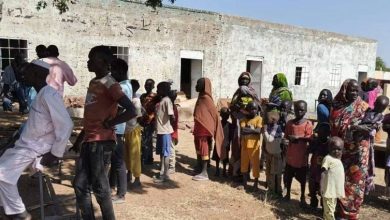
Behind these satellite observations, thousands of civilians are enduring extremely harsh humanitarian conditions inside the overcrowded settlements.
Amna Mohammed, a recently displaced woman who arrived in El Obeid, told Mashawir: “We arrived two weeks ago but could not find enough space to set up a separate tent. We are now sharing a small shelter made of plastic sheeting with two other families.”
Meanwhile, Abdullah Adam, who has been living in the camp for four months, told Mashawir that residents have to stand in long queues from dawn to obtain just a few litres of water. He also highlighted the absence of medicines and nearby health facilities when children fall ill.
Worsening Drinking Water Crisis
In addition to the shelter crisis, living conditions and the provision of basic services in North Kordofan’s displacement camps are deteriorating day by day.
Demand for drinking water continues to rise while supply sources remain limited, forcing displaced families to purchase water at prices beyond their financial means.
Furthermore, severe overcrowding and closely packed tents increase the risk of the rapid spread of malnutrition and seasonal fever-related illnesses.
Consequently, relief assistance allocations are becoming increasingly inadequate compared with the growing number of people arriving in El Obeid every day. Meanwhile, most displaced families rely on makeshift shelters that offer little protection against changing weather conditions.
Funding Shortages
Against this increasingly complex situation on the ground, humanitarian organisations and local authorities face a serious challenge in bridging the widening gap between growing needs and available resources.
Despite ongoing efforts to provide emergency assistance, the pace of displacement continues to outstrip the capacity of humanitarian operations to expand their response.
Humanitarian workers warn that continued funding shortages and delays in logistical supplies could lead to an imminent health and food crisis inside the city’s displacement centres.
Looking ahead, displaced people in El Obeid are awaiting urgent international and regional action to secure more sustainable and dignified shelter solutions.
The current situation requires the reorganisation of camp spaces to ensure safe passageways, alongside the drilling of additional water wells and the expansion of mobile health clinics.
Ultimately, the international community’s response to appeals for assistance in North Kordofan remains a decisive factor in rescuing thousands of families from their daily cycle of suffering.