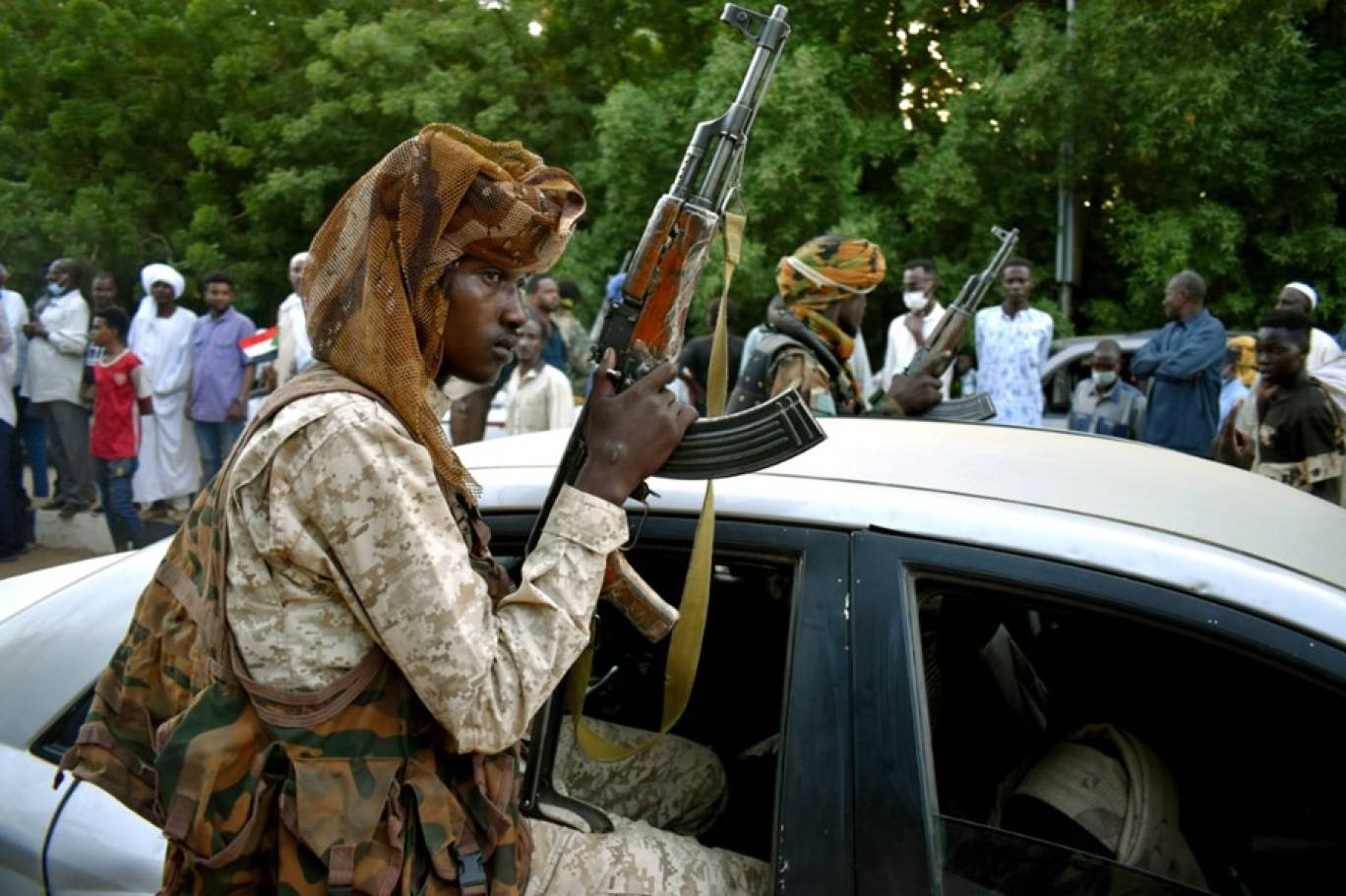
The city of El Obeid, capital of North Kordofan, continues to endure the impact of the ongoing war between the Sudanese army and the Rapid Support Forces. It has turned into a prolonged conflict zone where gunfire, artillery shelling, and drone attacks have become part of daily life.
Despite the harsh conditions and the suffocating siege imposed on the city since April 2023—through the closure of its main entrances—the population remains resilient. The blockade has led to the collapse of key sectors, including healthcare, education, water, and electricity, leaving residents isolated and facing a complex humanitarian reality.
A Complex Reality
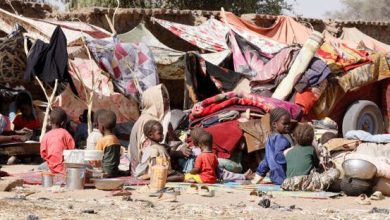
Waad Waleed, a member of the Emergency Room in El Obeid, said the city is experiencing severe humanitarian deterioration due to the tight siege and resulting economic collapse. At the same time, it has become a refuge for those fleeing intensified clashes across the region.
She noted that the number of displaced people in the city has exceeded 700,000, reflecting the scale of suffering. The closure of vital roads such as the Bara–Khartoum road and the Kadugli route has severely disrupted livelihoods and essential services, while prices of basic goods have surged
Residents also face a worsening water crisis after infrastructure was targeted, forcing them to rely on wells and old pumps. Meanwhile, widespread outages—caused by repeated drone attacks—have plunged the city into darkness, affecting daily life and the storage of critical medicines like insulin and vaccines for mothers and newborns.
The psychological toll is also mounting, with residents struggling under constant pressure, loss of normal life, and the paralysis of the education sector.
Economic Stagnation and Coping Mechanisms
Humanitarian activist I’timad Al-Rasheed explained that the siege has pushed the city toward a prolonged economic downturn. The once-thriving crop market has fallen into stagnation due to reduced and restrictions on movement, compounded by looting and destruction of farms.
She added that dairy and poultry products have largely disappeared over the past two years after farms were destroyed or taken over during military operations. The rare reappearance of chicken in has become an exceptional event after a long absence.
Cash shortages have also become a major challenge, making it difficult for residents to meet daily needs. The lack of liquidity has even limited the basic goods like soap, forcing people to improvise by producing alternatives at home or sourcing them from South Sudan at high cost.
Fuel shortages have further worsened the situation, driving transport costs up and inflating prices beyond the purchasing power of most residents.
Rapid Deterioration
Trader Mohamed Al-Tahir said the economic situation is deteriorating sharply, with traders burdened by taxes, scarcity of goods, and insecurity. Many have left the market, weakening commercial activity.
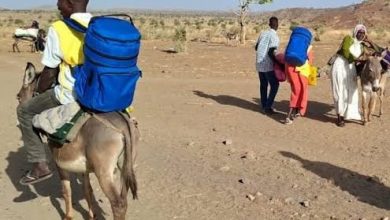
Farmers north of the city have reduced cultivation to minimal levels due to transport challenges and fuel shortages, often relying on rudimentary means such as tuk-tuks and animal carts to move goods.
Despite these hardships, residents are adapting by growing vegetables at home and launching community initiatives to cope with
Siege and Violations
Security threats remain a major concern. Sudanese lawyer Saleh Othman stated that although the siege has partially eased in some areas, violations against civilians persist, including arbitrary detention, killings, and forced displacement.
He also warned of a new challenge: the presence of multiple armed groups within the city, which has led to increased crimes such as theft and assaults without legal accountability.
Othman highlighted the arbitrary detention centers and financial extortion, as well as the alarming prosecution of children on charges like undermining the constitutional order—despite their lack of understanding of such accusations—within a legal environment lacking basic. safeguards.