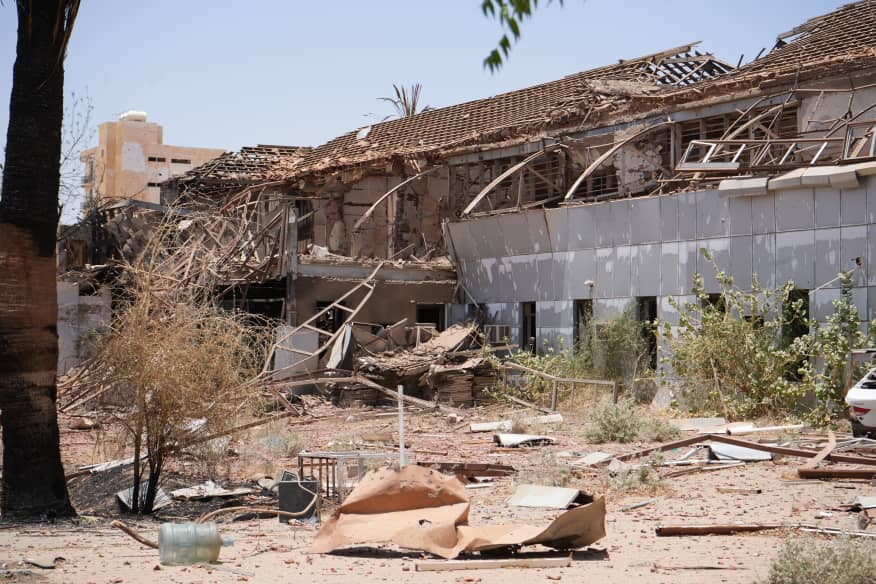
The health situation in Sudan reveals a compounded crisis, as citizens are no longer suffering only from the violence of war, but are also facing a growing “health blockade” driven by geopolitical tensions in the Middle East.
This additional strain is linked to escalating conflict between the United States and Iran, and the resulting disruption around the vital Strait of Hormuz—a key route for global energy and medical supplies.
According to a report by Al Jazeera correspondent Ahmed Al-Issawi, the consequences of the Middle East conflict have extended beyond disrupted shipping routes and a global energy crisis. They have also undermined the ability of humanitarian organizations to deliver food and medicine to millions in need worldwide, with Sudan among the hardest hit.
Sudanese citizens are increasingly experiencing severe shortages of essential medicines. One resident described the situation as dire, noting that only minimal doses often remain in each medication package, forcing people to search desperately in hospitals or through social media groups—often without success.
Another citizen highlighted the complexity of the crisis, explaining that even obtaining money has become a major challenge amid the ongoing war. And even when funds are available, medicines are often not—while the recent escalation in the Middle East has only made the situation worse.