The collapse of reproductive healthcare services across large parts of Sudan—following the destruction and closure of hospitals and maternity centers amid more than three years of conflict between the army and the Rapid Support Forces—has forced many women to give birth in unsafe conditions. Deliveries are increasingly taking place in homes or displacement camps, particularly in the Darfur region in western Sudan.
Amid the ongoing war, women face mounting challenges due to the near-total breakdown of family planning services, limited access to contraception, and the absence of sexual and reproductive health guidance. Supply chain disruptions have further compounded the crisis, contributing to rising pregnancy rates and increasing risks of complications and death during pregnancy and childbirth, as many rely on midwives working in extremely harsh conditions.
The humanitarian organization Save the Children reported that at least three children have been born every minute in Sudan since the conflict began, highlighting the severe deterioration of healthcare services and rising maternal mortality rates.
According to the organization, approximately 5.6 million children were born between April 2023 and April 2026—equivalent to over 5,000 births per day on average. Many of these births occurred among displaced mothers in overcrowded camps or under-resourced facilities that often lack electricity, essential equipment, and trained medical staff.
The report warns that children in many parts of Sudan are being born into extremely unsafe conditions, underscoring the urgent need to protect women and children while ensuring unimpeded access to humanitarian aid. It also calls for international action to end the violence and preserve healthcare services, as millions of women have been affected and an entire generation of children is at risk.
Data from Sudan’s Ministry of Health indicate that maternal mortality rates have risen to over 11%, while the United Nations estimates infant mortality at around 42.9% in 2024. These increases are closely linked to disrupted access to emergency obstetric care, shortages of qualified personnel, and the broader collapse of healthcare services due to the expanding conflict.
Critical Conditions
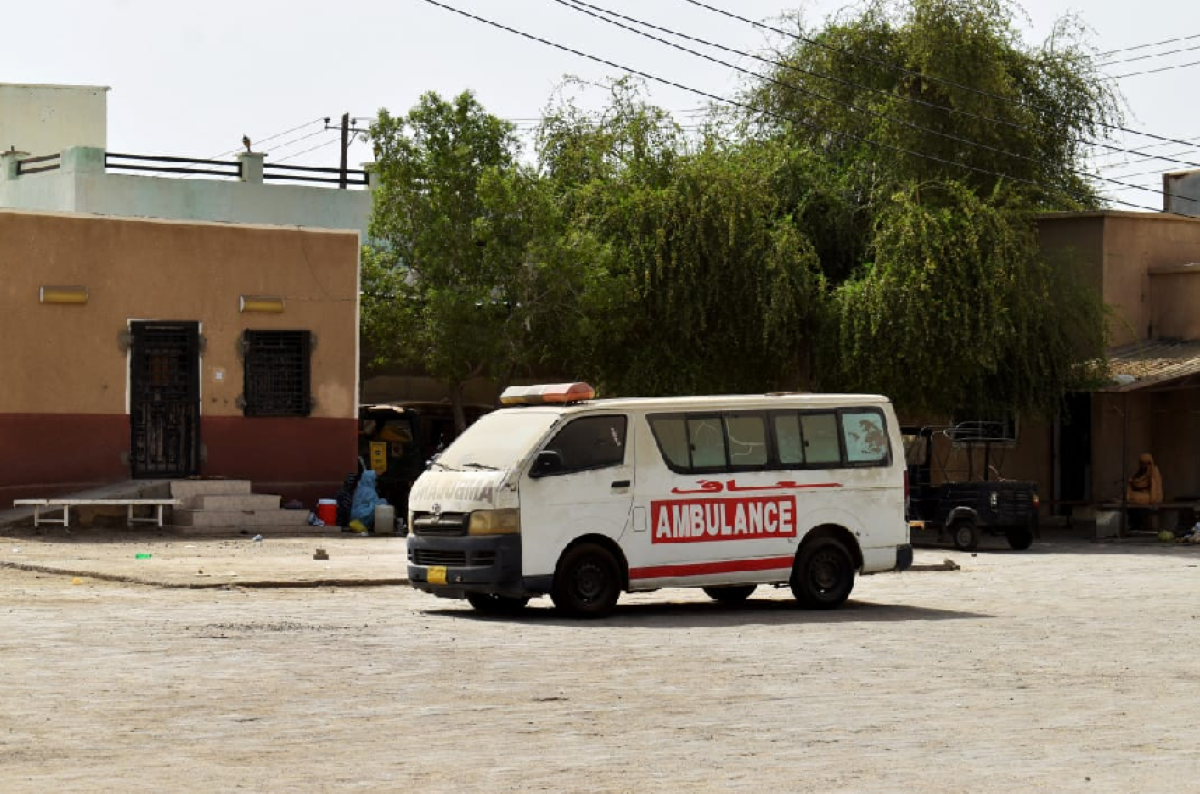
In El Fasher, the capital of North Darfur, the Saudi Hospital had been the only facility receiving pregnant women from the city and surrounding rural areas. However, it was severely damaged by artillery shelling after the Rapid Support Forces took control of the city in October 2025, forcing the closure of its maternity ward and leaving many women without access to care.
Inside a displacement camp in El Geneina, West Darfur, Zahra Ishaq recounted her harrowing experience of labor. She described leaving in the darkness of night with her husband in search of medical help amid heavy shelling and gunfire. While attempting to pass through checkpoints, her husband was shot and killed. Alone and in extreme distress, she gave birth under dire circumstances, using pieces of her clothing to tie the umbilical cord.
Her story reflects a broader reality where many births occur without safe spaces, often in shelters or along roads, after hospitals and health centers have been destroyed. Women face life-threatening risks such as postpartum hemorrhage and infections due to lack of sterile conditions.
Severe Health Risks
Midwife Ruqayya Issa, working in a displacement camp in Darfur, explained that before the war she assisted births safely in specialized hospitals. Now, she handles more than 15 deliveries per week under extremely difficult conditions, often without basic sterilization tools.
In many cases, she lacks sterile scissors and resorts to using blades cleaned with alcohol—if available—or sterilized by fire. Umbilical cords are tied using threads boiled in water. These improvised methods highlight the absence of even the most basic medical supplies.
The prolonged conflict and repeated attacks on healthcare facilities have led to a near-total absence of family planning services and contraceptives, further worsening conditions for women.
System Collapse and Social Impact
Social specialist Ahlam Youssef noted that women giving birth in displacement camps or conflict zones face immense psychological and physical strain. The lack of proper medical care, combined with fear, insecurity, and poor living conditions, increases the likelihood of complications such as hemorrhage, infection, and sepsis.
She added that rising pregnancy rates are linked not only to the absence of reproductive health services but also to widespread sexual violence and lack of access to treatment or safe abortion services. Many women carry unwanted pregnancies under extreme stress, leading to long-term psychological trauma.
Sudan’s heavy reliance on donor funding and private sector services for reproductive healthcare has made the system particularly vulnerable. With the ongoing conflict, these services have largely ceased, placing an even greater burden on women and their children.
A Predictable Tragedy
Obstetrician Dr. Mohammed Abdullah emphasized that the collapse of reproductive healthcare systems, especially in Darfur, has led to more dangerous childbirth conditions and unregistered births. Pregnant women often travel long distances on foot or by rudimentary means in search of care.
He stressed that hospitals are typically equipped to handle both natural and cesarean deliveries safely. However, births occurring outside medical facilities carry a high risk of fatal complications, with severe bleeding alone capable of causing death in the absence of timely intervention.
The report ultimately paints a stark picture: in Sudan, safe childbirth has become a luxury many women can no longer access, as war continues to erode even the most basic healthcare services.