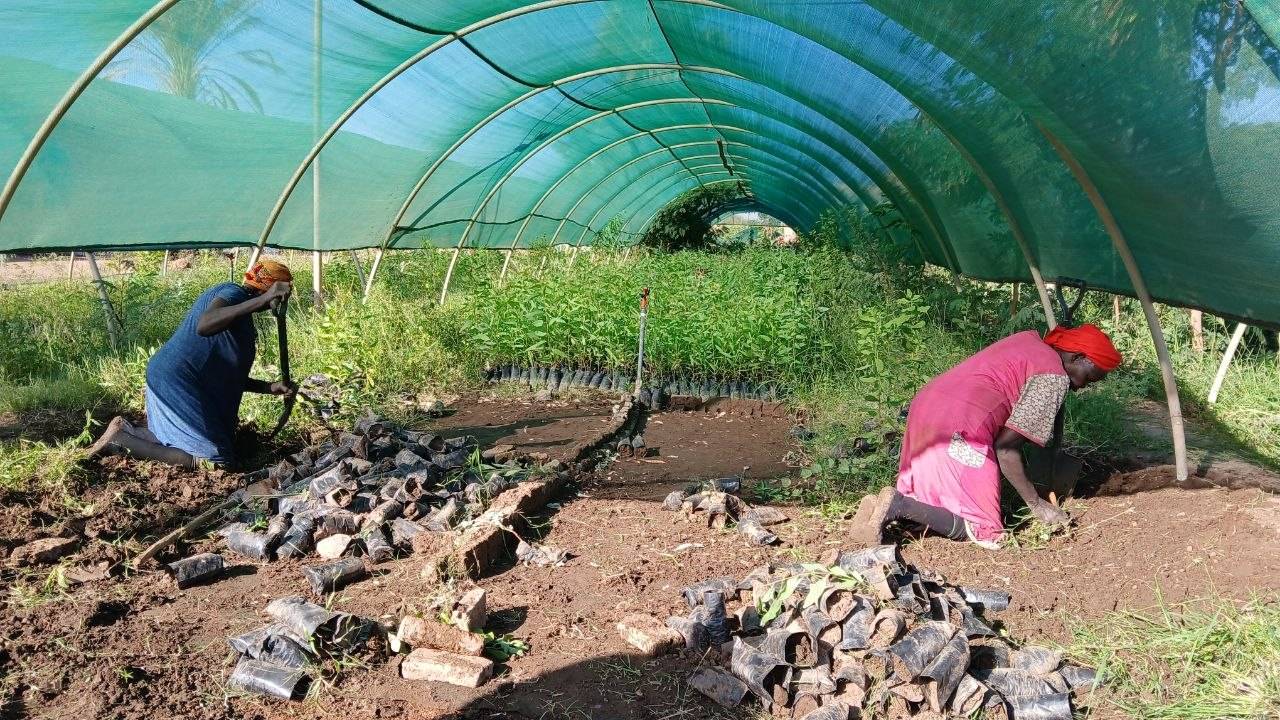
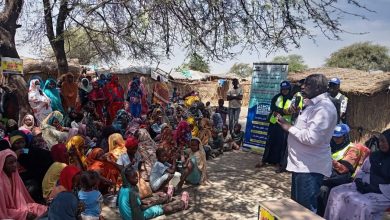
Amid the war that has torn Sudan apart, environmental issues have been pushed behind the smoke of battles and the sounds of displacement and hunger, despite being among the sectors suffering the widest and most severe losses. According to experts and specialists, what is happening today in Sudan’s forests is no longer merely temporary environmental degradation, but has turned into a silent catastrophe threatening the future of natural resources and the country’s climate balance, at a time when the state’s ability to monitor and protect these resources continues to decline and living pressures on citizens intensify.
With the collapse of basic services, fuel shortages, and the unprecedented rise in living costs, thousands of Sudanese families have been forced to return to using firewood and charcoal as alternative energy sources. This has led to a sharp increase in tree cutting and the depletion of forest belts. Waves of internal displacement have also intensified pressure on forests, as large numbers of people moved to relatively safer areas and established temporary shelters inside forested regions, amid an almost complete absence of environmental oversight and law enforcement.
On the outskirts of Khartoum, among acacia trees near the confluence of the two Niles, Aisha Abdullah says while collecting firewood: “We used to rely on cooking gas, but the price of a cylinder has risen to around 90,000 Sudanese pounds, equivalent to about 22.5 US dollars, and we can no longer afford it. We have no option left except firewood for cooking. We know cutting trees harms the environment, but how can a family survive without food?”