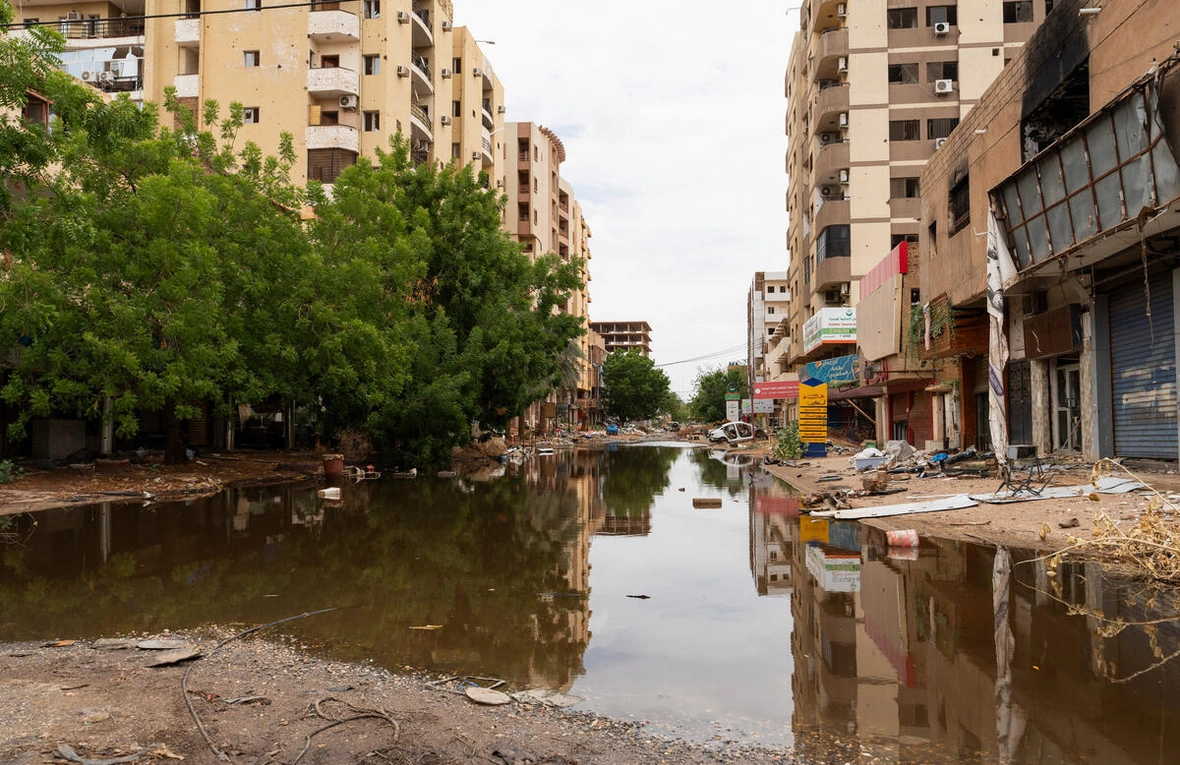
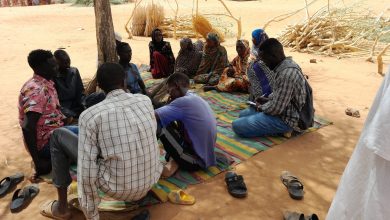
As security conditions stabilize in some Sudanese states such as Khartoum, alGezira , and Sennar, many displaced people have begun returning home after more than two years of displacement inside and outside Sudan.
Between November 2024 and last month, nearly 4 million people returned to their homes, particularly to Khartoum and alGezira State southeast of the capital, according to the International Organization for Migration (IOM).
Service Crisis
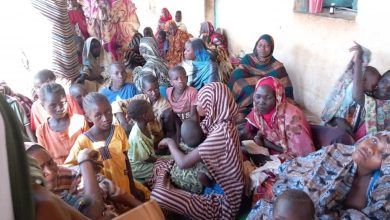
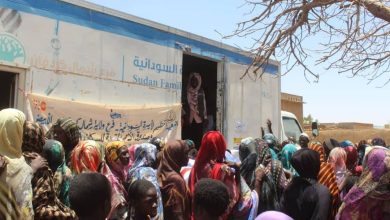
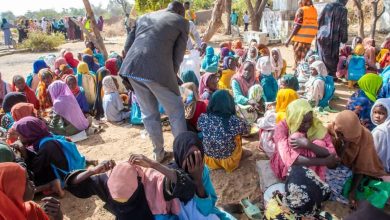
Despite the joy of returning and the desire of millions to resettle in Sudan, thousands still lack basic services and continue to suffer harsh conditions. Many are unable to access healthcare, education, water, and sanitation services, in addition to facing unemployment, competition over limited resources, and difficulties obtaining identification documents and legal recognition.
In this context, Abideen Fadl, who returned with his family to State, told Mashawir that “cities in the region have turned into zones plagued by epidemics, mosquitoes, and mysterious fevers, while searching for scarce medicines has become exhausting and expensive, if they can be found at all. Most of the few functioning hospitals are overcrowded with dengue fever and malaria patients.”
He pointed out that “hundreds have lost access to essential healthcare services, alongside the absence of job opportunities and the collapse of both the agricultural and industrial sectors due to the consequences of war. Patients suffering from chronic illnesses are now threatened with death because of shortages of life-saving medicines, especially treatments for cancer, diabetes, and kidney failure.”
Fadl also noted that “hundreds of women inalGezira
State are suffering severely, and several deaths among women have been recorded due to malnutrition, poisoning, dengue fever, typhoid, childbirth complications, and repeated miscarriages.”
Obstacles and Hardships
Meanwhile, Manal Mubarak, who returned to the Wad Nubawi area, explained that “residents of old Omdurman are now living under tragic conditions. Most neighborhoods continue to suffer from the total collapse of infrastructure and the loss of essential services, in addition to insecurity and the absence of law and order, even after the expulsion of the Rapid Support Forces and the army’s restoration of control over Khartoum State. Some armed groups are still carrying out looting, theft, and intimidation of civilians on the streets.”
The returning displaced woman added to Mashawir: “Life has not returned to what it once was. Instead, it has become a harsh daily struggle to secure services, especially electricity, which only operates for a few hours. Managing living expenses has become extremely difficult because prices continue to rise dramatically every day.”
Mubarak further said that “authorities are placing obstacles and restrictions on many women seeking to return to work in both the public and private sectors, as well as in commercial activities and small businesses, even though most of them support extended families.”
Poverty and Unemployment
For his part, Alameldin Khidr, who had fled to Uganda after the outbreak of war, told Mashawir: “I returned permanently to my home in Wad Al-Haddad area in Sennar State to work in agriculture and provide for my family’s daily needs, but unfortunately the reality has become extremely harsh because of the consequences of the armed conflict.”
Khidr explained that “despite the security stability in the state, agricultural activity has not recovered to its previous level, and productivity has declined significantly because project infrastructure suffered heavy damage, including irrigation systems and machinery, in addition to the lack of financing, fuel shortages, and soaring fuel prices.”
He added that “some families have failed to enroll their children in schools after exhausting their financial savings, not to mention the daily struggle to secure food and medicine.”
Numerous Challenges
The war between the Sudanese army and the Rapid Support Forces, now entering its fourth year, has killed tens of thousands of people, displaced more than 12 million inside the country, and forced over 4 million others to flee to neighboring countries, according to the International Organization for Migration.
The United Nations announced that around 4 million people have voluntarily returned to their homes in Sudan despite the ongoing war, while warning of enormous challenges facing them.
The International Organization for Migration is seeking to raise $170 million for Sudan’s 2026 crisis response plan, but the plan still faces a funding gap of $97.2 million, according to the organization.