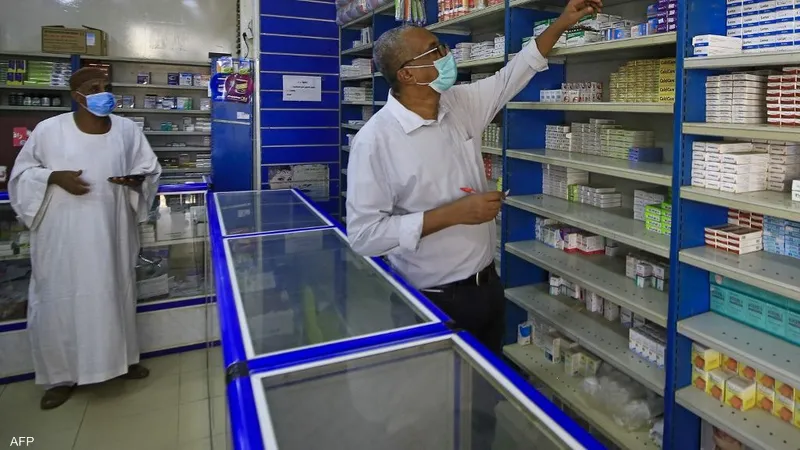
The search for medicine in Sudan has become a daily struggle that threatens the lives of thousands, amid a severe shortage of essential medications and the spread of drugs of unknown origin and quality.
In a modest home burdened by the effects of war, diabetes patient Mortada Mohi El-Din sits checking his remaining insulin doses, overwhelmed by anxiety over the possibility of running out of medication or having it spoiled due to poor storage and lack of oversight.
Speaking to Al Jazeera correspondent Asma Mohamed in Khartoum, Mortada said that the crisis is no longer only about the availability of medicine but also about its safety. He explained that some medications may be expired or damaged due to improper storage, while patients are often forced to use whatever treatment is available for fear that their health conditions may worsen.
As the war continues and expands, Sudan’s pharmaceutical sector has suffered severe setbacks. Several pharmaceutical companies have ceased production, and supply chains have been disrupted, leading to worsening shortages of many medicines, particularly life-saving drugs.
Pharmaceutical industry expert Yasser Ahmed Yousif stated that Sudan has lost significant quantities of medications used to treat chronic diseases and critical conditions, including drugs for diabetes, hypertension, blood disorders, and pediatric illnesses. He noted that the crisis is becoming increasingly complex as the conflict persists and import and distribution operations remain disrupted.
Against this backdrop, the trade in smuggled medicines—locally known as “Boko drugs”—has flourished. These medications enter the country through unofficial channels without health inspections, exposing patients to a double risk: soaring prices on one hand and the possibility of receiving unsafe or ineffective medicines on the other.
Meanwhile, the government sector maintains that efforts are underway to secure essential medicines despite the exceptional circumstances created by the war. The National Medical Supplies Fund reports that the availability of cancer medications has exceeded 75 percent, while kidney disease medications are available at a rate of 100 percent.
However, Abu Bakr Salouha, a department director at the National Medical Supplies Fund, acknowledged that the war has had a major impact on the pharmaceutical supply system, particularly after the damage to the authority’s main warehouses. He said that relevant authorities are implementing long-term plans aimed at reducing shortages and building a more stable medical stockpile.