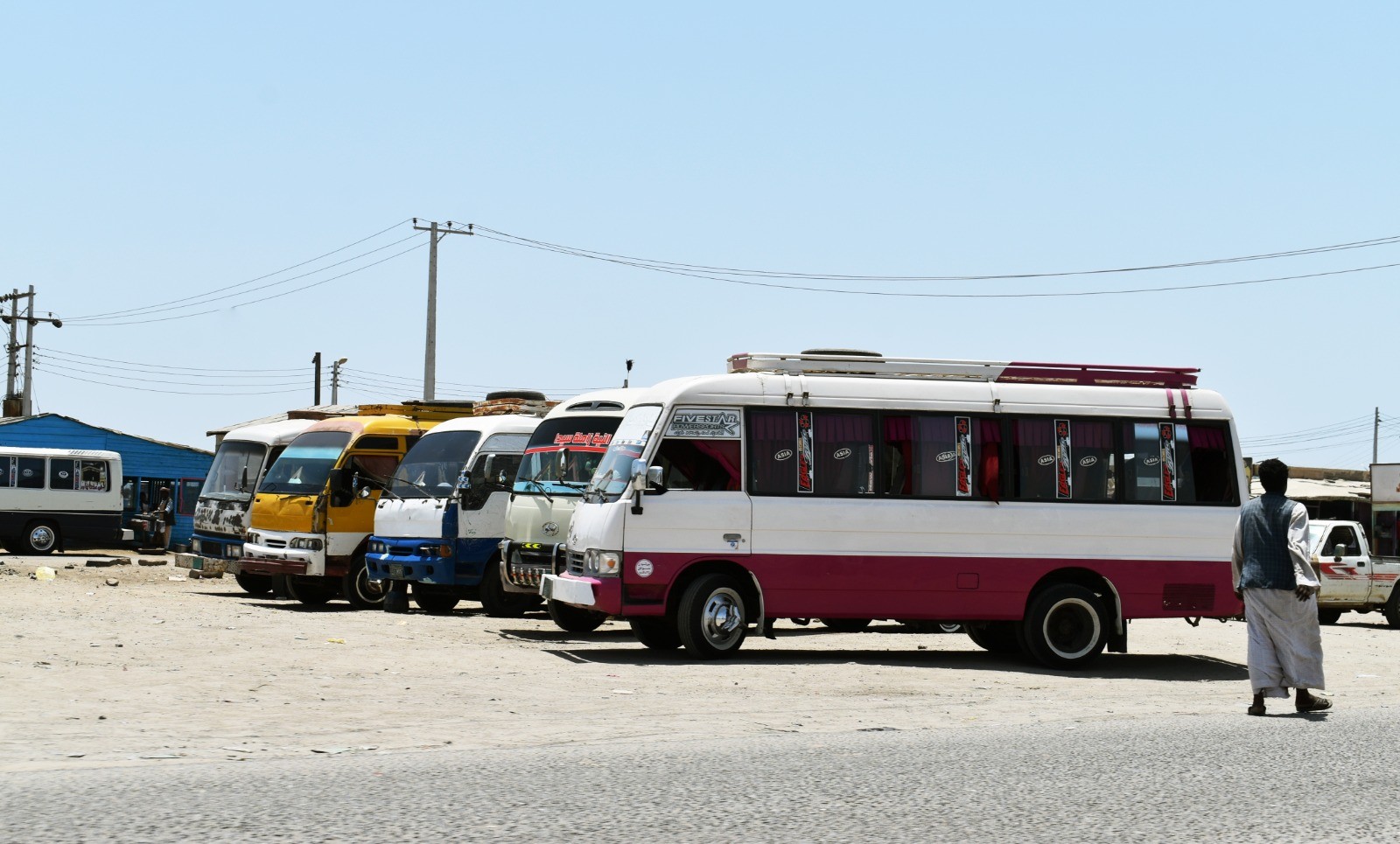
Sudan is experiencing a severe fuel crisis, reflected in vehicles lining up for long hours at service stations while other stations have closed their doors. Citizens complain of acute shortages of gasoline and diesel amid declining supplies and rising demand, placing increasing pressure on the transportation sector, sharply raising transport costs, and forcing many commercial vehicles and public transport services out of operation.
According to specialists in the sector, the crisis is primarily linked to the consequences of the ongoing war, which has affected the Khartoum Refinery, complicated fuel imports, and exacerbated the shortage of foreign currency. Additional factors include disruptions in regional supply chains, weak domestic distribution and oversight mechanisms, and the widespread activity of the black market. The price of a gallon of gasoline at official stations ranges between 27,000 Sudanese pounds (about $44) and 30,000 pounds (about $49), while prices on the parallel market exceed 50,000 pounds (around $83).
Urgent Meetings
As the crisis worsened, the Transitional Sovereignty Council moved quickly to intervene by meeting with the Ministry of Energy to discuss immediate solutions.
In a statement, the Council said that member Lieutenant General Ibrahim Jaber met with the Undersecretary of the Ministry of Energy, the Director of Supplies, and a representative of the General Intelligence Service at the ministry. The meeting was held within the framework of government directives aimed at ensuring the availability of essential goods and petroleum products for citizens and curbing the sharp depreciation of the Sudanese pound, which is currently trading at around 4,700 pounds to the U.S. dollar.
For his part, Undersecretary of the Ministry of Energy Ali Abdelrahman told reporters that the meeting had issued warnings to several companies that failed to honor their agreements with the ministry regarding the unloading of petroleum products, contributing to fuel queues and shortages in recent weeks. He noted that a fuel tanker had arrived and was currently being unloaded, which he said would help resolve the crisis entirely.
He also confirmed that the Fuel Pricing Committee had been reactivated with the participation of the Ministry of Energy and Mining, the Central Bank of Sudan, the Ministry of Finance, the Economic Security Department, and other specialized bodies. The committee’s objective is to determine fuel prices and prevent market chaos, while ensuring price stability and uniformity across all fuel stations.
In a related development, the Undersecretary held an extensive briefing meeting with companies importing petroleum products to discuss updates to import regulations and policies for 2026. Companies were granted one week to review and discuss the proposed regulations.
He instructed all importing companies to conduct internal consultations regarding the ministry’s proposals, prepare written recommendations for amendments or additions, and submit them to the specialized committee for incorporation into the final framework. He emphasized that the aim is to establish practical and flexible regulations consistent with the country’s economic realities while protecting the economy and citizens’ livelihoods through a transparent and cooperative relationship between the state and the private sector.
Sudan has long suffered from recurring fuel shortages, which have been aggravated by the destruction of oil infrastructure, particularly the shutdown of the Al-Jaili Refinery, which previously supplied around 70 percent of domestic fuel consumption. As a result, the country has become fully dependent on imports.
Black Market Expansion
Mohamed Magdi, a public transport driver operating in Sabreen Market in Omdurman, described the hardships caused by the crisis.
“We have spent an entire week waiting for hours, sometimes from dawn until the end of the day, just to obtain a limited fuel allocation that is often insufficient. In many cases, we leave empty-handed because the queues have become longer than ever before. This situation has caused us significant losses and negatively affected our livelihoods,” he said.
Magdi added that most drivers operate on long routes requiring substantial amounts of fuel. With the worsening crisis, many are forced to buy fuel from the black market at more than double the official price in order to continue working despite declining revenues.
“We are paying more and earning less,” he said. “The crisis in Omdurman has become more than just a fuel shortage; it is now a psychological and financial burden because everything becomes more expensive when fuel prices rise.”
Reordering Priorities
Citizen Balqis Babiker expressed frustration with the gasoline crisis, saying that standing for hours at transport stations under the scorching sun while waiting for vehicles has become a deeply troubling problem amid the continuing fuel shortage and the absence of any visible solution.
She noted that scenes of citizens crowding fuel stations resemble the transportation crises witnessed during the era of former President Omar al-Bashir, reflecting the extent of suffering faced by Sudanese people amid what she described as unconvincing official explanations.
Babiker explained that buses often arrive already full, with passengers reserving seats using bags or physically jumping aboard before others. Disputes sometimes escalate into physical altercations, while pickpockets take advantage of the chaos to steal phones and money in the absence of effective supervision and organization.
“My job requires punctual attendance, but transportation chaos and higher fares mean I frequently arrive late, while spending nearly one-third of my income on transport,” she said.
She warned that the recurring crises, particularly fuel shortages, are forcing families to rethink spending priorities, reducing social visits, attendance at weddings and funerals, and other forms of social interaction. According to her, this risks weakening social bonds as people face mounting financial pressures, uncertainty over prices, and unreliable fuel supplies.
Supply Gap and Complications
Ahmed Mohieddin, owner of a fuel station in Omdurman, said there is a significant gap between supply and demand.
“The quantities we receive are limited and irregular, and often insufficient to meet demand. Fuel prices continue to rise daily, causing hardship for both citizens and fuel station owners. This is largely due to higher import and transportation costs, while reliance on private companies for imports adds further complications in the absence of effective government oversight,” he explained.
He added that the fuel price increase announced by the government in April has contributed to the continued rise in fuel costs, including in the black market.
Fragility and Disruptions
Energy researcher Hassan Abdelghaffar said Sudan’s current fuel crisis is the result of widespread destruction of oil infrastructure during the war.
“The Khartoum Refinery, which once supplied around 70 percent of the country’s fuel needs, ceased operations after being damaged and losing approximately 210,000 barrels of crude oil. Fuel and gas storage facilities were also destroyed, and oil fields went out of service, forcing Sudan to rely almost entirely on imports,” he said.
Abdelghaffar added that dependence on imported fuel has made the domestic market more vulnerable to fluctuations in global oil markets, increasing the fragility of fuel supplies within Sudan.
He further noted that the continuing conflict between the Sudanese Armed Forces and the Rapid Support Forces has reduced domestic production, while limited strategic reserves, rising import costs, and the closure of the Strait of Hormuz due to the Iran war have further affected fuel availability and pushed local prices higher.