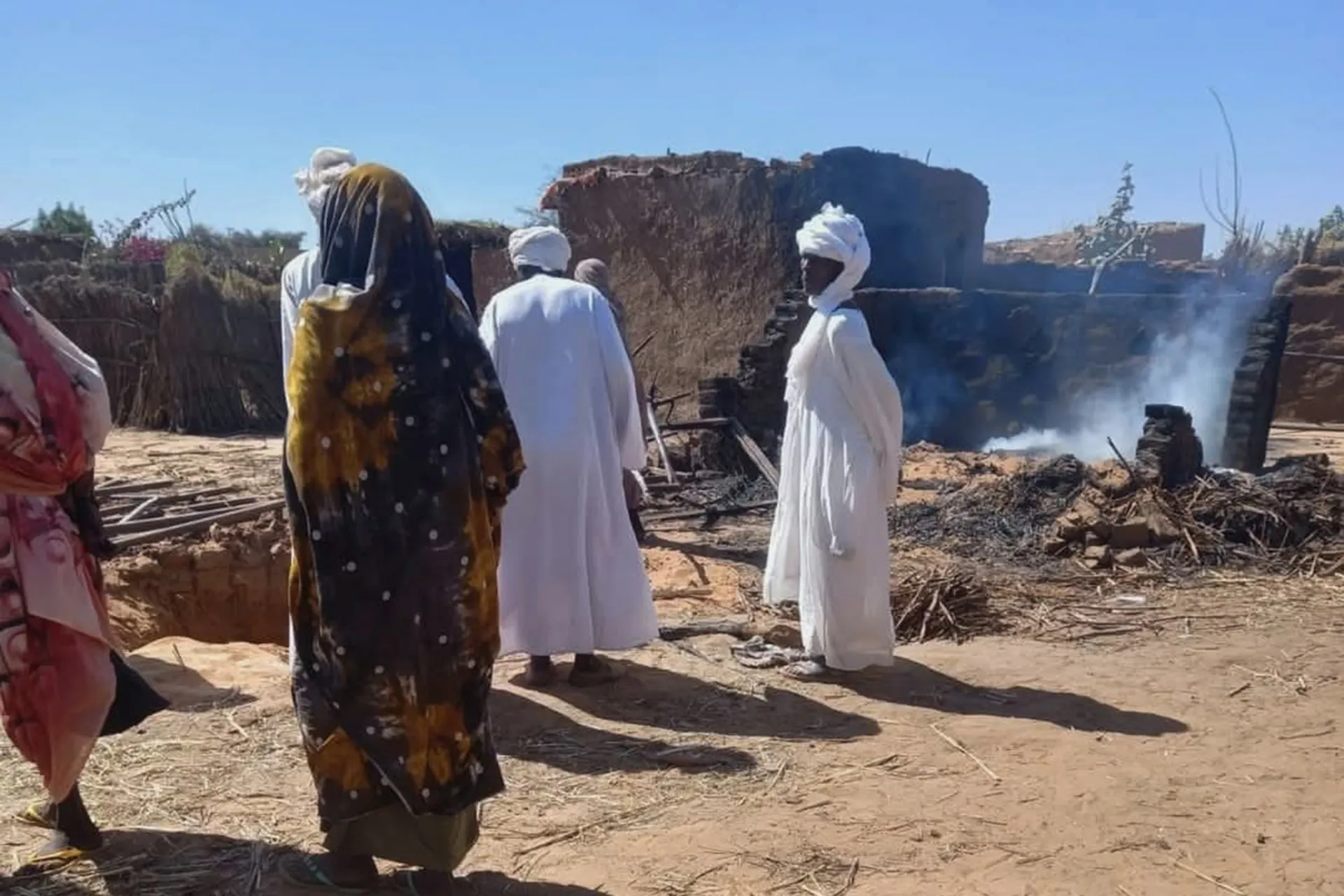
A series of attacks carried out by Sudan’s Rapid Support Forces (RSF) near the western border with Chad has destroyed several villages and forced thousands of people to flee, according to two survivors and the United Nations.
The UN has previously accused the RSF, which has been fighting the Sudanese army since April 2023, of carrying out massacres against non-Arab ethnic communities in Darfur, including members of the Zaghawa community who live in villages across western North Darfur State.
Mass Displacement
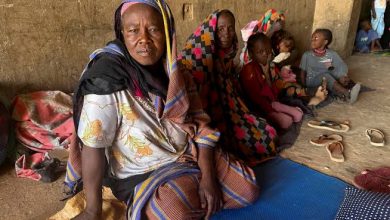
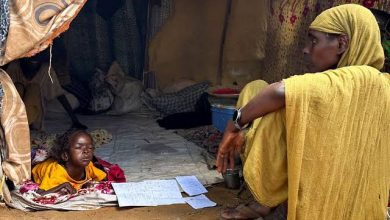
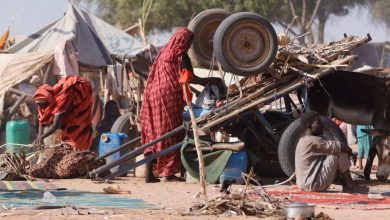
The International Organization for Migration (IOM) reported that more than 3,500 people were displaced last Friday from the village of Wadi Fungo in the Umm Baru area of North Darfur.
Issa Ibrahim, 35, said dozens of RSF vehicles stormed his village of Umm Marahik last week.
“They shelled homes with artillery,” he said.
After sending his wife and children across the border into Chad, Ibrahim recounted that “homes were burned, and people lay dead in the streets with no one left to bury them.”
He added: “We passed through the villages of Aroro and Ana Biji. Both had been completely burned, and bodies were lying on the ground.”
Killings and Arson
Another survivor, Mohamed Adam, 43, said two of his brothers were killed during the attack on his village of Qarburu.
“The fighters burned the houses and killed everyone except those who managed to escape,” he said.
The two survivors spoke on Monday after reaching the border town of Tina, using satellite internet to communicate because telecommunications in the area had been cut off.
Last year, the RSF captured El Fasher, the last major Sudanese army stronghold in Darfur, in an offensive that a United Nations investigative committee said bore “the hallmarks of genocide,” primarily targeting the city’s Zaghawa population.
Ethnic Cleansing Allegations
Last week, Amnesty International accused the RSF of committing acts of ethnic cleansing during its assault on El Fasher between 2024 and 2025, urging urgent international action to prevent similar atrocities from recurring.
Since then, the RSF has concentrated its attacks on western pockets controlled by the Joint Forces, a coalition of armed groups allied with the Sudanese army whose leadership and many fighters belong to the Zaghawa community.
Since the outbreak of the war, the United Nations, human rights organizations, and survivors have consistently reported alleged war crimes committed by the RSF, including the siege and destruction of displacement camps, systematic sexual violence, and ethnically targeted massacres.
The RSF evolved from the Janjaweed militia, which was armed and funded by the Sudanese government during the 2003 Darfur conflict. The Janjaweed were responsible for the deaths of more than 300,000 people in Darfur during the first decade of the 21st century.
The war, which began in April 2023, has killed tens of thousands of people, while humanitarian organizations estimate that the death toll now exceeds 200,000. It has also triggered what aid agencies describe as the world’s largest hunger and displacement crises.