Thousands of displaced people who fled North Darfur State are facing growing dangers in displacement camps across towns and rural areas in Northern Sudan, where venomous scorpions have become a serious threat.
The highly venomous scorpions pose a particular danger to children, the elderly, and pregnant women, creating constant fear among displaced families.
Speaking to Mashawir, Abdel Jalil Al-Tayeb, who lives in the Al-Afad displacement camp, said the crisis has intensified with the arrival of the rainy season, as large numbers of scorpions have emerged from their burrows, resulting in dozens of victims, most of them children.
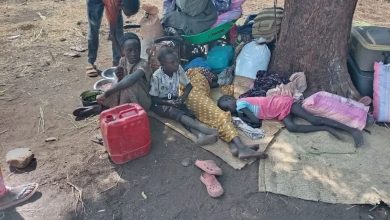
He explained that during the hot summer months, northern Sudan experiences a heavy spread of these venomous scorpions, often referred to as the “silent killer.” They move through the and infiltrate makeshift shelters, delivering potentially fatal stings. This has heightened fears among displaced people, especially since many shelters are built from fragile materials such as straw, wood, and temporary tents.
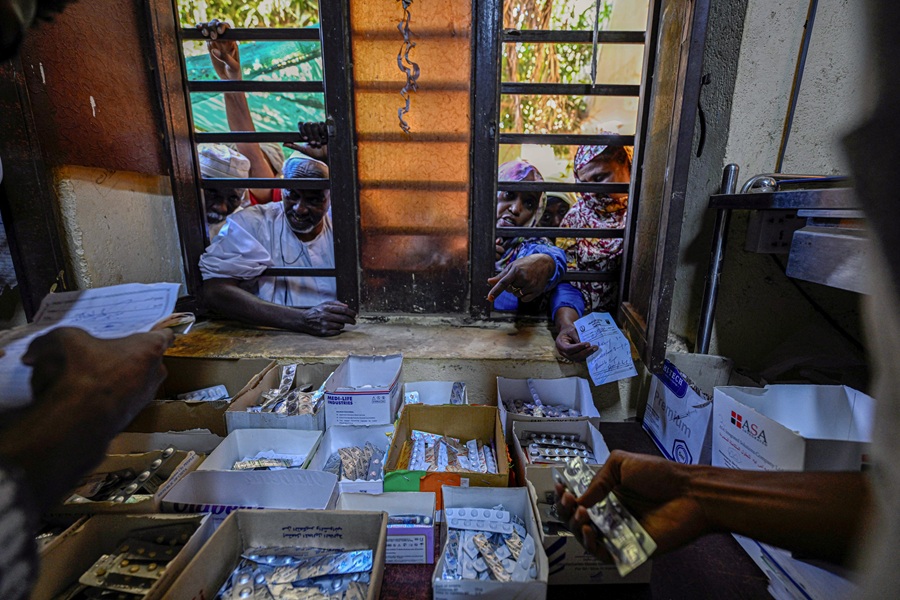
Al-Tayeb added that scorpion stings can become life-threatening, particularly because small health centers in these areas lack scorpion antivenom, while delays in transporting patients to major hospitals due to limited transportation further increase the risk of death.
Meanwhile, Dr. Mahmoud Salah, a volunteer physician working in displacement camps in northern Sudan, told Mashawir that displaced people continue to suffer from venomous scorpion stings, stressing that the situation requires urgent government attention.
He said that the widespread presence of venomous scorpions across both agricultural and residential areas in northern Sudan leaves displaced communities living in constant fear, noting that many people—especially children playing outdoors—have already lost their lives because of scorpion stings.
Dr. Salah further lamented that medical facilities serving displaced communities have very limited resources, particularly due to the absence of scorpion antivenom, which is essential for preventing the venom from causing life-threatening damage to the body’s vital functions.