Dengue fever has opened a new front in the humanitarian crisis in Damazin, the capital of Sudan’s Blue Nile Region, where infections are rising rapidly in the midst of a deteriorating healthcare system. The impact of the ongoing conflict, combined with weakened health services, has further intensified the outbreak.
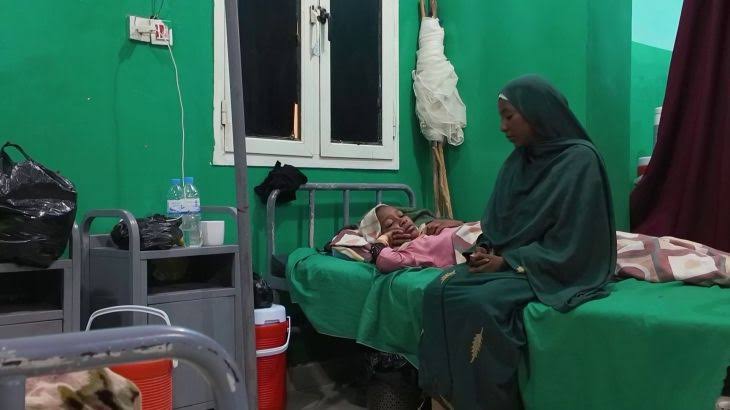
A report by Al Jazeera correspondent Waddah Al-Tahir from Damazin highlights the story of Awatif, a woman in her sixties who has contracted dengue fever for the second time within a single month.
She said the second infection was more severe than the first. Her daughter is currently hospitalized with the disease, while her brother and son are also experiencing the same symptoms, illustrating how the infection has spread throughout the family.
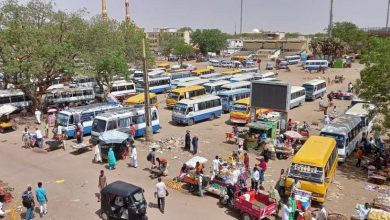
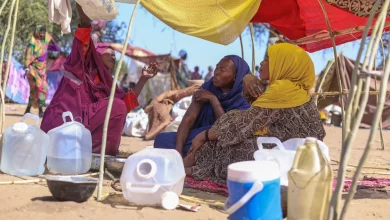
According to the report, stagnant water, polluted drainage systems, and the accumulation of waste have created ideal breeding conditions for mosquitoes that transmit the disease. In response, health authorities and volunteers have launched a field campaign to combat dengue fever and raise public awareness about its dangers, beginning in the neighborhoods most heavily affected.
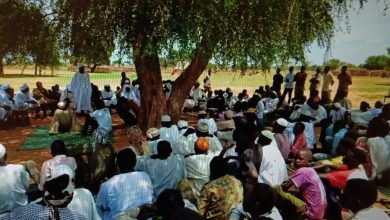
Volunteers involved in the campaign said their teams are conducting door-to-door visits as part of an effort coordinated by the Ministry of Health to curb the spread of the disease and eliminate mosquito breeding sites.
According to the Blue Nile Regional Ministry of Health, Damazin has recorded an unspecified number of deaths and more than 3,000 confirmed dengue fever cases, with infections concentrated in several neighborhoods, particularly those in the northern part of the city.
The report also states that the emergency department at Damazin Hospital receives around 20 dengue fever patients every day. Doctors have warned that if this rate continues, urgent intervention will be required to bring the outbreak under control.