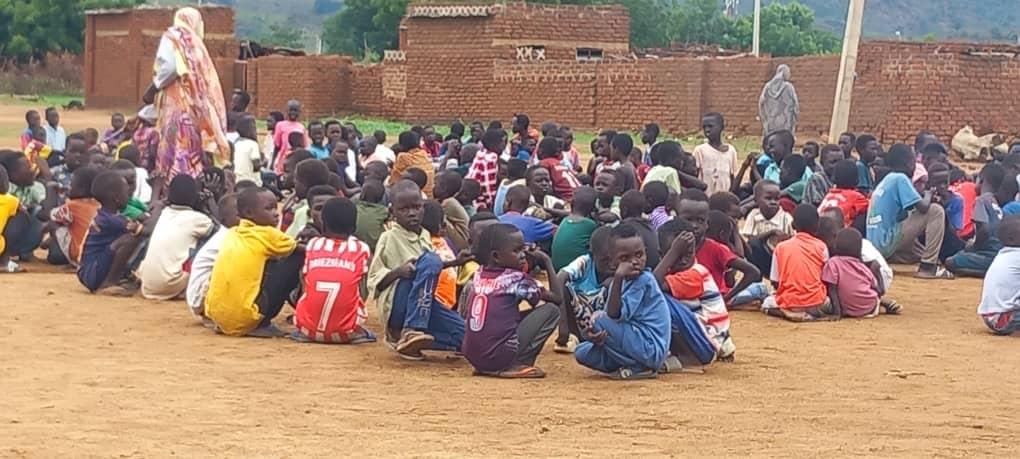
Hunger Devastates Displaced People in West Kordofan as Aid Supplies Leak into the Black Market
West Kordofan – Mashaweer
Legal experts, academics, journalists, and civil society activists have emphasized that racism and hate speech in Sudan are not products of the war that began in April 2023, but rather stem from historical factors linked to the way the Sudanese state was established. They noted that the ongoing conflict has deepened these divisions and transformed them into tools for incitement and political polarization.
The remarks were made during a panel discussion organized by the Sudan Mahaba (Sudan of Love) Campaign under the title “Racism and Hate Speech: The Current Context and Ways to Address Them.”
Participants stressed that ending the war is a fundamental step toward addressing the crisis, but cautioned that peace alone will not be sufficient unless accompanied by political, educational, and legal reforms that tackle the structural causes of discrimination and hate speech.
Legal expert Ali Ajab told Mashaweer that “racism is a learned behavior that develops from childhood,” calling for values of equality and respect for diversity to be incorporated into school curricula from the earliest stages of education.
He also warned against the misuse of traditional and social media platforms to spread hate speech, citing Rwanda’s experience, where the media played a significant role in inciting genocide.
For his part, lawyer Al-Sadiq Ali Hassan told Mashaweer that the state’s failure to build an inclusive national identity, together with unequal development among Sudan’s regions, had contributed to entrenching discrimination.
He emphasized that the fair and impartial application of the law is one of the most effective tools for combating hate speech.
Journalist and human rights activist Hussein Saad told Mashaweer that “the war in Sudan did not create racism or hate speech; rather, it exposed and reinforced historical divisions that had accumulated within the structures of the state and society over decades, turning them into instruments of political and military mobilization.”
Saad added that achieving sustainable peace requires more than a ceasefire. It demands addressing the root causes of discrimination, rebuilding the state on the principles of equal citizenship, justice, and recognition of diversity, and ensuring that the underlying causes of conflict are not repeated.