Declining Nile Water Levels Disrupt Drinking Water Stations in Khartoum
Khartoum – Mashaweer
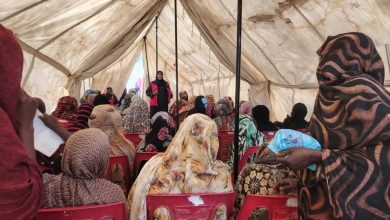
The decline in the Nile’s water levels this summer has become more than a seasonal fluctuation. It has developed into a crisis affecting the lives of hundreds of thousands of Sudanese after drinking water stations were disrupted and water supplies decreased in several areas, raising concerns that the impact could extend to the agricultural season and food security.
Although the government has stated that the decline is temporary and that the overall water situation remains under control, experts believe the developments reflect new challenges in water resource management. These include the operation of regional dams, insufficient coordination over Nile flow management, and domestic challenges that have further exposed the vulnerability of the country’s water infrastructure.
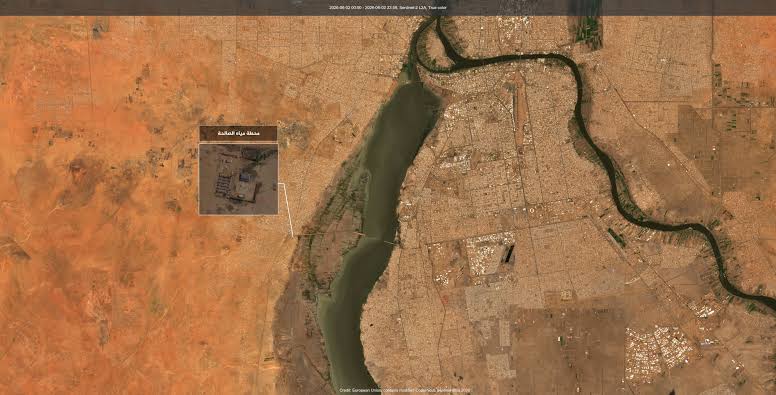
The drop in water levels quickly affected drinking water services, particularly in Khartoum State, where intake pumps at the Al-Salha Water Station in southern Omdurman and the North Bahri Rural Water Station stopped operating, leading to severe water shortages in several neighborhoods and villages.
The official spokesperson for the Khartoum State Government, Al-Tayeb Saad Al-Din, said that the disruption at the two stations affected water supplies for approximately 600,000 residents.
He added that the authorities were able to restore operations at both stations after carrying out emergency repairs, while technical work continues to implement permanent solutions to ensure a stable water supply.
The consequences of the falling water levels extend beyond drinking water. Specialists have warned that the situation could also negatively affect the agricultural season, particularly with the reduced water inflow to the Sennar and Roseires dams.