Humiliation and Suffering of Sudanese Women Know No Bounds During Wartime
Mashaweer – Report – Ishraqa Ali Abdullah
The war in Sudan has turned into deeply rooted violations against the bodies of women and girls following their exposure to sexual violence, including forced pregnancy, one of the most brutal and complex forms of abuse. It is not merely a direct violation; its psychological and social consequences continue through social stigma, health complications associated with pregnancy and childbirth, and the possibility that both mother and child may face rejection. The fragility of legal systems, accountability mechanisms, and efforts to deter perpetrators has further enabled the systematic continuation of these violations.
Amnesty International said it had documented approximately 250 women who were raped and became pregnant in the context of the ongoing conflict in Darfur, particularly after the fall of El Fasher, the capital of North Darfur, last October. The organization stressed that this figure represents only a small fraction of the thousands of attacks that have occurred in the region, as the testimonies were collected from women and girls who had fled their homes. Sexual violence continues to escalate amid the ongoing military conflict, creating an environment in which its consequences can become even more severe.
As a result, forced pregnancy remains an issue that has accompanied women throughout the history of wars in Sudan, with its suffering intensified by the psychological, social, and health consequences women face amid the country’s current political developments and the shifting front lines of war and violence.
Systematic Violence
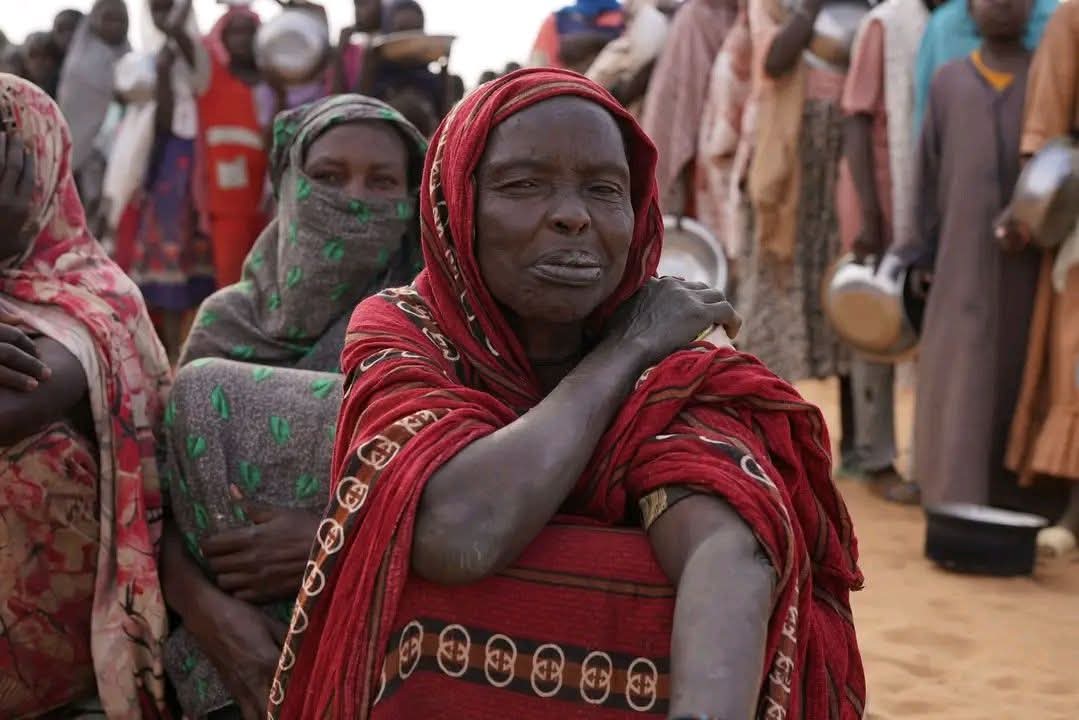
In a displacement camp in West Darfur, displaced woman Maryam Ishaq said, “The war has been extremely cruel to women and girls, who have been subjected to systematic sexual violence in all its forms. I was one of those who were raped when I went out to collect firewood with a group of displaced women in an area not far from the camp. Suddenly, we were surrounded by soldiers belonging to the RSF. Some of the women managed to escape, while others fell victim to them.”
Ishaq added, “We disappeared for several days after being held in an abandoned building, where we were repeatedly raped. We tried to escape several times but failed because of the tight security, and we were brought back under threat of weapons. Eventually, one of us managed to escape and reported our whereabouts. When our captors realized they were in danger, they abandoned us after we had endured humiliation and degradation as a result of being raped in the most brutal ways.”
She continued, “A month after the incident, I discovered that I was pregnant. I do not know how to deal with this unwanted pregnancy. I often think about having an abortion by any means, without medical intervention, to escape the stigma that will follow me for the rest of my life, especially if I give birth.”
The displaced woman noted that “women caught up in the war and its expansion continue to suffer from the warring parties’ persistence in committing sexual violence. In this painful reality, who will stand up for us and arrest those responsible for these crimes, who usually escape punishment? What makes the situation even worse is that rape often ends in pregnancy and the birth of a child who is socially rejected and may be abandoned in the street out of fear of shame.”
Sexual Exploitation
Meanwhile, Marwa Abdeljalil, an 18-year-old woman, said, “The economic hardship I experienced after the war broke out, following the loss of my father, who had provided us with protection and was killed in indiscriminate shelling, pushed me into sexual exploitation so that I could provide food for my younger siblings. Unfortunately, I became pregnant and eventually gave birth to a daughter who grew up under the same circumstances, without protection and with an unknown parentage.”
Abdeljalil explained that her story is not unique, but rather reflects “the painful reality experienced by women and girls who engage in sex either forcibly or voluntarily, only for the situation to end in pregnancy, further compounding their suffering, in addition to the psychological struggle over whether to terminate the pregnancy or give birth.”
Humiliation and Contempt
Feminist activist Etimad Al-Rashid said that “forced pregnancy has been one of the most prominent features of the policies of war pursued by the parties to the conflict, whether for the purpose of humiliation, demonstrating power, destabilizing communities, or tearing apart the social fabric. All local and international reports have confirmed that the war has produced sexual violations, including widespread rape, as though it were intended to humiliate women and turn their bodies into a battleground.”
Al-Rashid noted that “forced pregnancy falls under crimes against humanity and can result from rape, sexual slavery, coercion to remain in a situation, or other forms of violence.”
She explained that “this form of pregnancy can involve the detention of women and forcing them to engage in sexual relations on ethnic grounds, as a means of revenge against or retaliation for a particular population group. The continuation of such acts is driven by the absence of effective deterrent laws and the impunity enjoyed by perpetrators. Even when perpetrators are arrested, they may be released the following day through mediation by influential parties, allowing such crimes to become entrenched and preventing justice from being achieved.”
Al-Rashid further said that “the absence of measures addressing forced pregnancy as a legitimate social and legal right for women and their children leaves survivors facing continuous psychological and social suffering. Some have reportedly been driven to suicide because of the trauma and their inability to cope, while others have resorted to dangerous and unregulated methods to terminate pregnancies. Such cases often remain hidden because of fear and a lack of confidence in the justice system.”
The feminist activist stressed the need to “develop solutions to reduce this crime and stop sexual violations while providing social protection. This must include raising awareness among families and communities so that they stop compounding these violations by stigmatizing survivors, and instead open their doors to accepting and reintegrating them into society and helping them overcome their ordeals. This can only be achieved through seminars and dialogue led by organizations committed to defending women’s rights.”
Direct Targeting
Social specialist Rania Abdelati said that “women’s circumstances during the war have been extremely harsh and complex. They have been directly targeted, and thousands of women and girls have been raped while fleeing individually or collectively from cities and villages where their communities had been subjected to atrocities.”
Abdelati added, “It is well known that rape has expanded to include women inside displacement shelters. There have been no exceptions when it comes to sexual violence. Within the broader context of violence, there has also been a close connection between the impoverishment of women and their economic exploitation in exchange for sex.”
The social specialist continued, “Many women and girls became separated from their families, who had provided them with social and economic protection. They faced homelessness, making them more vulnerable to sexual exploitation at an early age and exposing them to severe psychological consequences, including depression and stigma. This has pushed some toward suicide, while others have been killed by their families or forced into marriage. All of this can be accompanied by forced pregnancy, which is considered a consequence of sexual violations, as well as exposure to sexually transmitted diseases, particularly HIV.”
Abdelati explained that “health, psychological, and social services are difficult to provide adequately during the war. Some women have managed to reach service providers only with great difficulty after becoming pregnant, pregnancies that Sudanese communities generally reject outside marriage. As a result, survivors and their children may be ostracized. There are documented cases, but survivors often refuse to have them recorded because they fear being treated as criminals.”
She concluded that “the shortage of healthcare resulting from the collapse of infrastructure and the migration of medical personnel has caused additional suffering for women who became pregnant through forced pregnancy. Many did not receive adequate care amid the absence of contraceptive services, late detection of pregnancies, and limited treatment for reproductive and sexually transmitted infections. Before the war, health centers were supplied with contraceptives, but this support stopped because of deteriorating security conditions. In my view, abortion should be recognized as a legitimate right and legally authorized in such circumstances.”
Absence of Justice
Sudanese lawyer Yasser Zein Al-Abideen said that “Sudanese law addresses forced pregnancy within the context of penalties applicable to such crimes during conflicts under two main provisions. The first is Article 186, concerning crimes against humanity, which includes the detention of one or more women and forcing them to engage in sexual acts. The second is Article 188, concerning war crimes against protected persons, including the detention of protected women who are forced to become pregnant with the intention of affecting the ethnic composition.”
Zein Al-Abideen added, “The legal provisions criminalize forced pregnancy in armed conflicts, but they lack effective implementation. There have been no genuine prosecutions in this regard, and since the outbreak of the war, no charges have been brought against perpetrators of rape and other crimes against humanity. Perpetrators usually escape punishment and may even receive amnesty.”
The lawyer continued, “The 1991 Criminal Act prohibits abortion and imposes imprisonment as a penalty, except in several circumstances, including forced pregnancy resulting from rape, provided that the pregnancy does not exceed 90 days. During the conflict, it has been difficult to access judicial authorities because of the disruption of the justice system. The same applies even in relatively safe areas, where detailed investigations are required—investigations that women fear undergoing even to obtain the necessary healthcare documentation in cases of rape and sexual violence. This pushes women toward illegal methods of abortion.”