The United Nations Independent International Fact-Finding Mission for Sudan said in a new report issued today, Thursday, that “the recruitment of foreign individuals and external support networks are contributing to fueling the war in Sudan, strengthening the military capabilities of the parties to the conflict, and enabling them to conduct increasingly sophisticated military operations, with devastating consequences for civilians.”
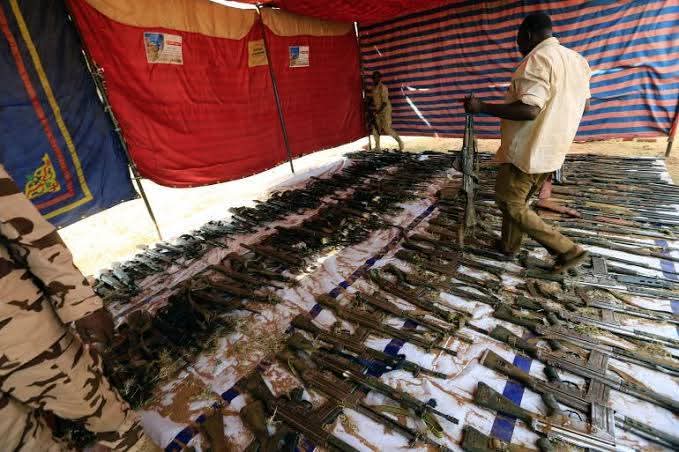
In a statement, the mission said its report, titled “Fueling the Conflict in Sudan: Weapons, Fighters and External Support Networks,” documents how transnational entities operating across several countries have recruited, trained and deployed foreign individuals to support the Rapid Support Forces (RSF), in addition to facilitating the transfer of weapons, ammunition and military technology and providing logistical support.
The war in Sudan, which erupted in April 2023 following a power struggle between the Sudanese Armed Forces (SAF) and the RSF, has displaced more than 14 million people and created one of the world’s worst humanitarian crises.
External Support
The report also concluded that there are “reasonable grounds to believe that the Sudanese Armed Forces used foreign-supplied drones in operations that caused harm to civilians and civilian objects.”
The mission noted that “states linked to these supply chains have strict international legal obligations to exercise due diligence, investigate and halt illicit mercenary and supply networks operating from or through their territories, prevent violations, and enforce the United Nations arms embargo.”
The statement quoted Mohamed Chande Othman, Chair of the Fact-Finding Mission, as saying: “Civilians bear the brunt of the consequences of this external support. Rather than providing greater protection for civilians, external support has made them pay the price through attacks on homes, hospitals, schools, markets and places of refuge.”
Foreign Fighters
The UN mission documented the deployment of up to 2,000 former Colombian military contractors who directly participated in operating combat drones, artillery and advanced weapons alongside RSF units in Darfur and Kordofan.
The report concluded that there are “reasonable grounds to believe that private entities, logistical intermediaries and recruiters operating from countries including Colombia and the United Arab Emirates used transit points in Chad, southeastern Libya and Bosaso in Somalia to facilitate the delivery of personnel, training, weapons and logistical supplies to the RSF in Sudan.”
Mona Rishmawi, an expert member of the Fact-Finding Mission, said: “We found a series of transnational networks spanning several countries that provided the RSF with foreign personnel, training, weapons and logistical supplies.”
She added: “This support contributed to RSF operations in Zamzam Camp and later during the takeover of El Fasher, where the mission documented serious violations of human rights and international humanitarian law, as well as international crimes, including conduct bearing the hallmarks of genocide.”
Grave Violations and War Crimes
The UN report concluded that foreign suppliers significantly enhanced the drone capabilities of both the RSF and the Sudanese Armed Forces, enabling them to carry out strikes far from the front lines.
According to the report, “documented drone attacks included strikes carried out by the RSF in Kalogi, South Kordofan, which killed 114 people, including around 60 children, and strikes carried out by the Sudanese Armed Forces in Ed Daein, East Darfur, which killed at least 70 people and destroyed a major hospital.”
The mission concluded that there are “reasonable grounds to believe that these attacks constitute serious violations of human rights and international humanitarian law and may amount to war crimes.”