Lack of Services Deepens the Suffering of Sudanese Displaced People
North Darfur – Mashawir
The Emergency Rooms of Kernoi locality in North Darfur State said that “a new and large wave of displacement has occurred from areas of Ambro and several villages and rural communities within the locality, following the incursion and deployment of Rapid Support Forces (RSF) in those areas.”
The Emergency Rooms reported that “field reports from residents and community leaders confirmed the incursion and deployment of the forces in several areas, prompting large numbers of residents to flee toward the Kernoi locality administrative center and neighboring areas considered relatively safer.”
The Emergency Rooms estimated that more than 2,852 displaced families had arrived over the past two weeks.
They noted that “the number of displaced people continues to increase amid catastrophic humanitarian conditions and severe shortages of basic necessities.”
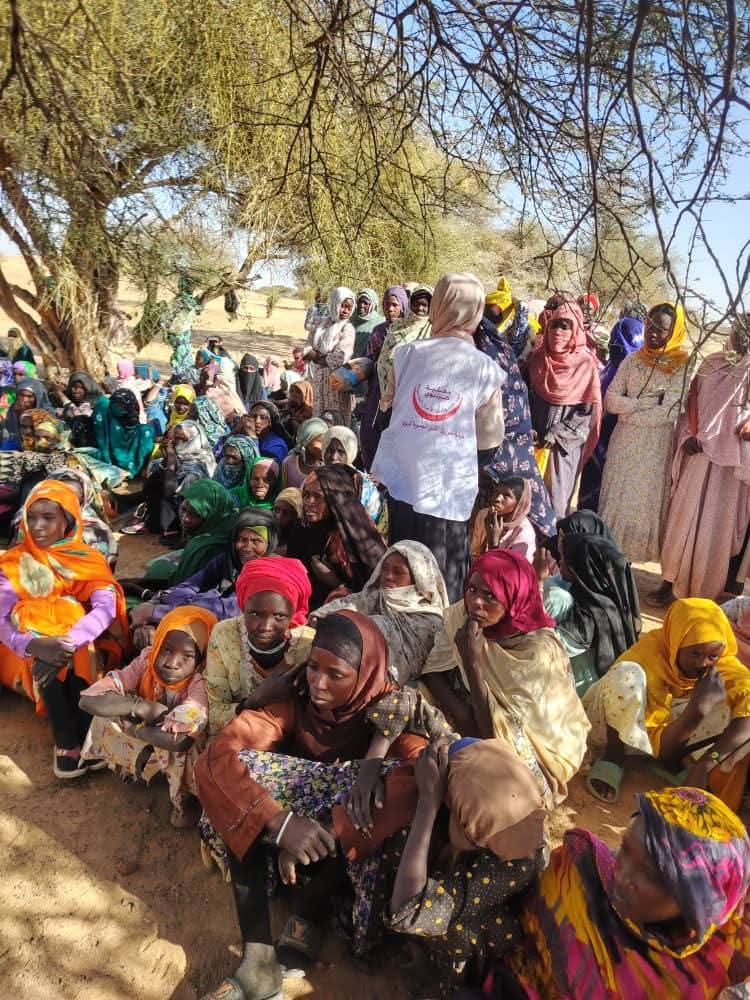
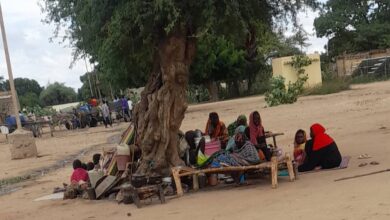
They explained that “the displaced arrived without shelter, forcing many to sleep on the ground and seek refuge in valleys, makeshift shelters and schools, while their food supplies have run out and they were unable to bring their essential belongings with them when they fled.”
Existing drinking-water sources are also facing severe pressure due to the influx of displaced people, while health facilities are suffering from acute shortages of medicines and even the most basic medical supplies, further increasing the health risks facing displaced families.
Meanwhile, Mohamed Adam Abakar, a member of the Kernoi Emergency Rooms, told Mashawir that “the humanitarian situation of displaced people arriving from affected areas is extremely difficult, amid a lack of shelter and food and growing pressure on water sources and limited health services.”
Abakar added that “the continued influx of displaced people is exceeding the capacity of local communities to respond.”
He called on humanitarian organizations and relevant authorities to intervene urgently to provide food, drinking water, shelter materials and medicines, and to support health facilities and areas receiving displaced people.