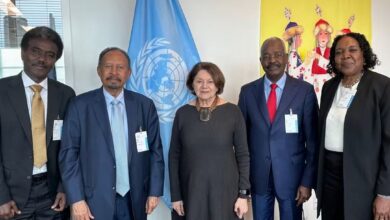
There are numerous local, regional, and international views and proposals on how to end the war in Sudan and address the unprecedented humanitarian crisis. The most prominent approaches have focused on several initiatives and tracks, the latest being a vision put forward by Chairman of the Transitional Sovereignty Council Abdel Fattah al-Burhan, based on solutions developed by Sudanese themselves from within the country.
These initiatives, however, face internal differences, with some parties supporting them while others remain cautious, reflecting clear divisions among Sudan’s civil forces.
So, how do observers view the efforts and initiatives aimed at ending the war, and what are the reasons behind their repeated failure to make progress amid the current circumstances?
National Will
Sudan’s former Foreign Minister Ibrahim Taha Ayoub says the war in Sudan can be stopped if there is genuine national will and coordinated international pressure to halt external support for the warring parties.
Ayoub blamed both sides of the conflict—the army and the Rapid Support Forces (RSF)—for ignoring “logic and reason and moving toward continued fighting without considering the suffering of civilians, who have become fuel for a senseless war that has destroyed the country and displaced its citizens across neighboring countries and beyond, in addition to waves of internal displacement to cities and villages that have not been reached by the ravages of war.”
The former foreign minister said the war “has expanded geographically and lasted far longer than expected, which is a clear indication of the failure to recognize the suffering of Sudanese citizens, whose hunger has driven them to eat animal feed such as sorghum bran, cattle hides, and tree bark,” stressing that “there is no alternative but to move toward peace.”
Negotiating Table
Political analyst Mutaz Mohamed Abdelgaioum believes that a coordinated regional and international framework is needed to prepare Sudanese civilian and military actors to sit at the negotiating table without external tutelage.
Abdelgaioum added that any “political dialogue that is not preceded by a comprehensive and sustainable ceasefire remains futile,” noting the need to rebuild Sudan’s state institutions, agree on a permanent constitution, define the nature of a civilian system of government, and address the historical and political imbalances that contributed to the outbreak of the war.
The political analyst noted that “there is no solution for the two warring parties other than submitting to an end to the conflict amid international pressure because of the humanitarian crisis caused by the war.” He added that the United Nations and humanitarian organizations have been calling for an immediate ceasefire due to the growing risk of famine and the conflict’s transformation into the world’s largest displacement and humanitarian crisis.
Al-Burhan’s Vision
The vision recently put forward by Sovereignty Council Chairman Abdel Fattah al-Burhan in Foreign Policy magazine for ending the war is based on restricting the possession of weapons to the state and rejecting any equal status or future role for the RSF. It also emphasizes that ownership of the peace process should remain local, through an internal national dialogue leading to the drafting of a new constitution and the organization of general elections, with the international community’s role limited to monitoring and assistance.
Al-Burhan argues that previous temporary ceasefire agreements failed and were exploited by militias to regroup. He maintains that his proposal should be based on the legitimacy of existing state institutions and rejects any external dictates that do not serve the country’s national interests.
Al-Burhan said, “The time has come to put a permanent end to the war, and this is what Sudanese people are asking of me as Chairman of the Transitional Sovereignty Council,” adding that “the war must end so that the shooting does not resume as soon as the world turns its attention elsewhere.”
At the same time, he strongly criticized previous ceasefire attempts, considering them openings exploited by the RSF and its supporters to reorganize their forces while international attention waned. He cited humanitarian tragedies such as the El Fasher massacre as a clear illustration of the consequences.
Civil Forces’ Key Positions
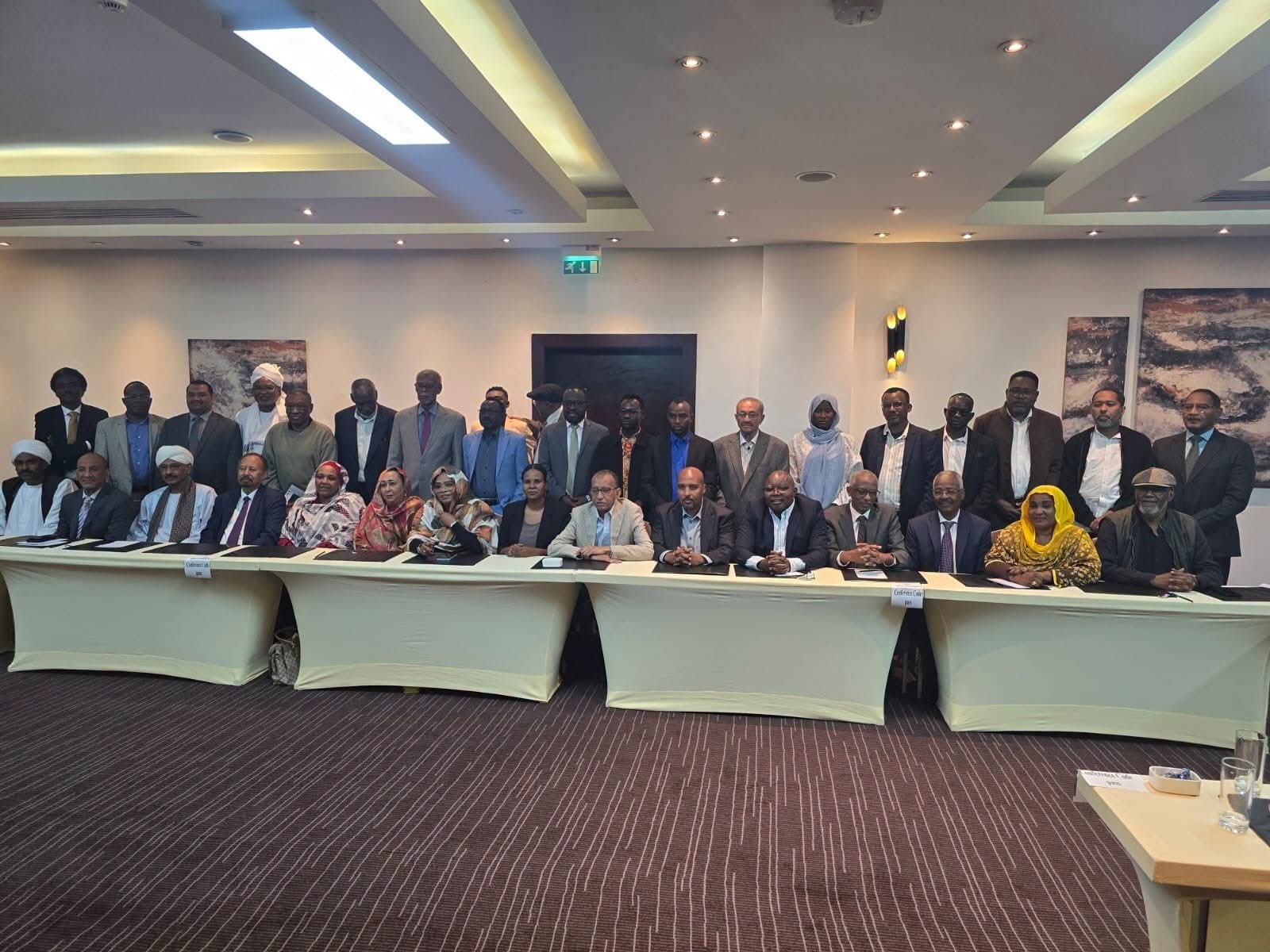
The main demands and principles of Sudanese civil forces’ initiatives, represented by Sumoud and led by former Prime Minister Abdalla Hamdok, include making an end to the war an urgent priority, calling for an immediate freeze in fighting, and opening humanitarian corridors to deliver aid to those affected.
They also call for integrating international and regional efforts, including the Quad and Quintet mechanisms, into a single and coordinated negotiating platform.
Their positions further emphasize that neither of the warring parties nor the former ruling National Congress Party should have the sole right to determine the country’s future. They advocate for the establishment of democratic civilian authority, support international fact-finding committees, and call for expanding the jurisdiction of the International Criminal Court to cover all violations committed since the outbreak of the conflict.
In addition, civil forces have led delegations on diplomatic tours involving the United Nations and Western and regional capitals, seeking to mobilize support for halting the flow of weapons and protecting civilians.