Diaries of Returning Displaced Sudanese Women: Deprivation, Hardship, and Struggle
Mashawir – Agencies
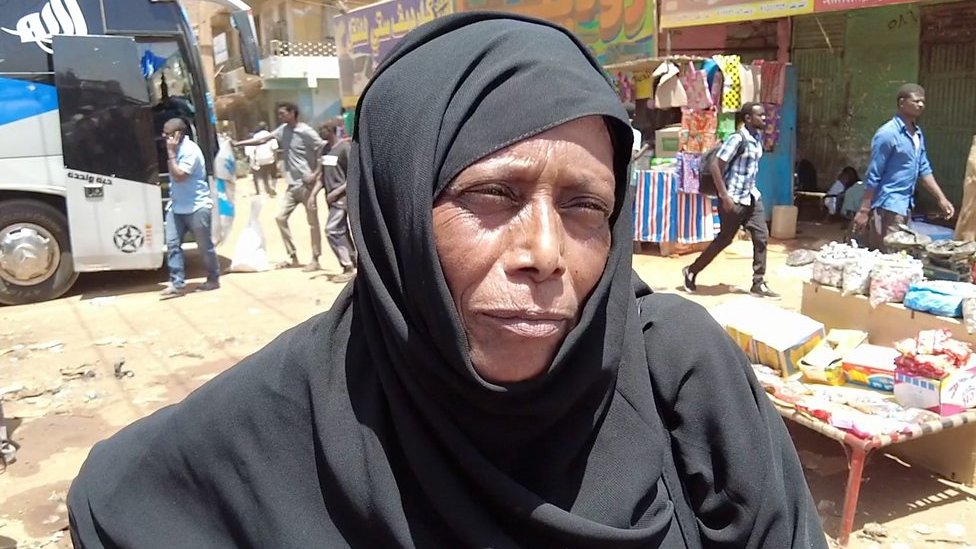
Despite the return of more than 2.2 million Sudanese refugees and displaced persons to areas recaptured by the army from the Rapid Support Forces (RSF), thousands still lack basic services and live in dire conditions—especially women in the states of Khartoum, Al Jazirah, and Sennar. They face severe challenges in accessing healthcare, education, water, and sanitation, as well as limited job opportunities and competition over scarce resources. Many also lack identity documents and legal recognition.
This harsh reality has led to a rise in child marriages and gender-based violence, including sexual exploitation, abuse, and harassment, due to inadequate security measures and the absence of law enforcement.
Crises and Barriers
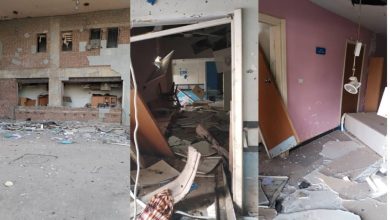
Abeer Al-Fateh, who returned to Kalakla in Khartoum, said, “We are living in tragic conditions. Most southern districts of the capital still suffer from the total collapse of infrastructure and the loss of essential services, along with security chaos and lawlessness—even after the army regained control from the RSF.”
She added, “Life is no longer the same; it has turned into a daily struggle to access basic services, especially electricity, which works only a few hours in lucky areas. The cost of living has become unbearably high as prices keep soaring every day.”
Abeer explained that “many women face great difficulties reclaiming their homes because land committees in Khartoum refuse to hand over properties without legal documents, which were lost during displacement or looted.”
She noted further that “authorities have placed restrictions preventing many women from returning to their jobs in the public and private sectors or engaging in small businesses, even though most of them are the sole breadwinners for extended families.”
Rising Deaths
Marwa Bashir, who returned with her family to Wad Madani in Al Jazirah State, said, “The city has turned into a hub of epidemics, mosquitoes, and mysterious fevers. Finding medicine is exhausting and expensive, and the few hospitals still operating are overcrowded with dengue and malaria patients, who wait hours to receive IV fluids.”
She added that “women and girls cannot access essential health services, and maternal and pregnancy-related deaths are rising. Thousands of women face life-threatening conditions due to interruptions in treatment for kidney failure, cancer, and diabetes.”
Marwa reported that “hundreds of women in Al Jazirah suffer severely, and several deaths have been recorded among them due to malnutrition, poisoning, dengue, typhoid, and complications from childbirth and miscarriages.”
Obstacles and Risks
According to a UN Women report, three-quarters of women returning to Khartoum, South Kordofan, and Al Jazirah lack access to essential services. The main barriers include insecurity, poor infrastructure, high costs, long distances, and discrimination.
The report stated that three out of four returnee women cannot access healthcare, education, water, or sanitation, and 75% are unable to resume work or income-generating activities. Moreover, 56% lack identity documents necessary to access financial or legal services.
Only one in ten women managed to reclaim their home or land, while 85% reported rejection of their claims by local authorities or land committees. A similar percentage cited the absence of legal documentation, and only 46% received legal assistance regarding housing or land disputes.
The report further revealed that 37% of women’s organizations reported increased risks for returning women: 70% of girls face the threat of forced marriage, sexual exploitation, and assault, 53% of service providers noted a rise in sexual violence, and 68% of women reported harassment and exploitation at checkpoints.
The report recommended prioritizing funding for local women’s organizations, particularly in return and remote areas, and urged the establishment of specialized services to respond to gender-based violence in Khartoum, Al Jazirah, and Sennar.
Deprivation of Rights
Malath Mahjoub, who returned with her family to Sennar State, said, “Most of the city’s essential infrastructure has been destroyed or looted—especially electricity, which powers all other services. Water stations have stopped working, and prices for basic goods have skyrocketed.”
She noted that “hundreds of women lost their jobs in both public and private sectors, and many institutions refused to rehire them for lack of legal documents.”
Malath added that “some families could not send their daughters back to school due to financial exhaustion, leading to an increase in early marriages driven by various social pressures, depriving thousands of girls of education and the right to choose their future.”
A Core Issue
Women’s rights activist Afrah Abdelaziz described the protection of women and girls as a core issue requiring urgent attention from all organizations advocating for them.
She said, “Depriving thousands of women of their fundamental rights to work, healthcare, and legal and psychological support in these conditions is a humanitarian catastrophe for which the state bears primary responsibility.”
Afrah stressed the need for the state to protect women from all forms of violence and discrimination and to integrate gender perspectives into all national policies.