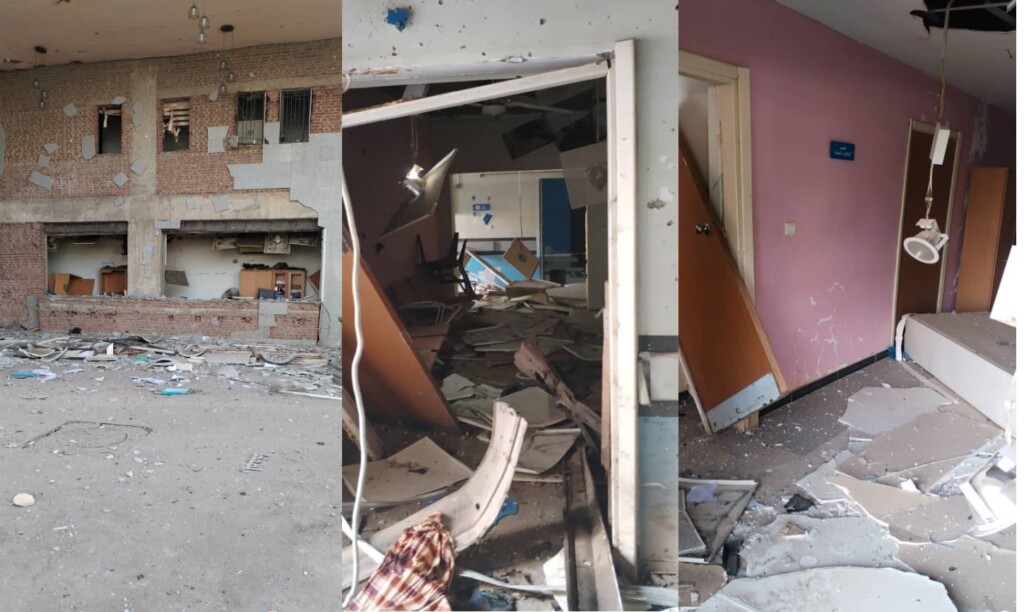
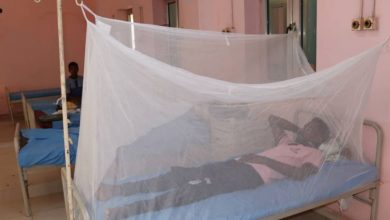
The suffering of the residents of the Kordofan region continues to worsen, taking on horrific dimensions, particularly after the number of hospitals and health centers has shrunk by more than 50%. This has created tragic scenes, most notably for the sick and wounded who are unable to reach the few remaining operational facilities due to transportation difficulties and the security situation not to mention the widespread crimes, massacres, and violations committed by the “Rapid Support Forces” (RSF).
Faced with this catastrophic situation, supplies of medicines, intravenous fluids, and medical equipment have run out. Additionally, dialysis centers and surgical operations have ceased, especially in South Kordofan State, which is under siege by the Sudan People’s Liberation Movement-North (SPLM-N), led by Abdelaziz al-Hilu, and its ally, the RSF.
Out of Service
Furthermore, the Sudan Doctors Network announced that three hospitals in the city of Dilling, South Kordofan State, have gone out of service after being targeted by drones and heavy artillery belonging to the RSF and the SPLM-N (Al-Hilu faction).
The Network stated in a press release that “approximately three major hospitals in Dilling have ceased operations, while four medical staff members were killed due to the deliberate shelling of the city by the RSF and the SPLM-N.”
The statement noted that the health situation in the city is witnessing a sharp deterioration following the targeting of several health facilities. This led to the closure of hospitals and treatment centers and the suspension of vital departments, exacerbating the suffering of citizens and reducing the capacity to provide basic health services. Meanwhile, some facilities are operating with limited resources to cover emergency needs amid the ongoing systematic artillery shelling.
The statement appealed to the international community and humanitarian organizations for urgent intervention to protect health facilities and provide immediate medical and logistical support to Dilling. It also demanded an end to the targeting of health facilities, the guarantee of unhindered humanitarian aid access, and accountability for those responsible for these violations.
Lack of Healthcare
In this context, Hatem Bishara, a citizen receiving treatment in the city of Kadugli, says: “The health conditions in the region are extremely worrying. Fears extend to the children who are dying from infectious diseases, especially measles, alongside malnutrition caused by hunger. Families are unable to provide food amidst an outrageous rise in prices and a lack of job opportunities, in addition to the emergence of cholera and dengue fever.”
Speaking to the Mashawir platform, he added: “Many areas currently lack the basic necessities of life, especially in terms of healthcare. Diseases like malaria are spreading with deadly symptoms, including fever, headache, vomiting, loss of appetite, and body aches. All these symptoms lead to acute anemia and have caused hundreds of deaths.”
Bishara explained: “It would have been possible to recover from these fevers, but the majority of hospitals and medical centers are out of service, and treatment is limited in those that remain. This has forced dozens of infected people to stay at home without knowledge of the disease or experience in managing it; they resort to traditional herbal remedies, which are certainly ineffective and cannot prevent the disease from worsening.”
Death Tolls
The situation in West Kordofan State is no better. Al-Nuhud Hospital and various health centers have ceased operations. The city of Babanusa has witnessed the collapse of its health sector, a situation mirrored in the areas of Al-Adiya, Ayal Bakhit, Abu Zabad, and Al-Fula.
Adel Al-Sayed, a humanitarian activist in West Kordofan, noted that “the health sector in the region is no different from other sectors affected by the ongoing war in the country; in fact, it is the most affected because of its close link to the lives of citizens. Its collapse has worsened the humanitarian crisis, particularly in providing medical services through specialized hospitals and centers that used to serve patients with chronic conditions such as heart disease, kidney disease, tumors, and digestive system issues.”
In his talk with Mashawir, he pointed out: “Before the escalating events in Al-Nuhud, the gross human rights violations, and the targeting of hospitals, about 300 patients were seen per day. Now, the number of patients has reached 1,000 cases, amidst a shortage of qualified staff, laboratories, nursing services, and bed capacity in other cities and regions.”
Al-Sayed highlighted that “mortality rates are rising at a terrifying pace as a result of the health sector’s collapse after the RSF’s deliberate destruction of hospitals and kidnapping of medical staff, in clear violation of international humanitarian law.”
Limited Capacity
Meanwhile, hospitals in the city of El Obeid, the capital of North Kordofan State, are suffering from increased pressure and a constant influx of patients and the wounded from both inside and outside the city, especially given the presence of thousands of displaced persons in the city.
Volunteer doctor Khaled Ezz Eldin told Mashawir: “El Obeid is hosting thousands of displaced people coming from South and West Kordofan, as well as patients arriving from other cities in the region. This has placed mounting pressure on hospitals and health facilities.”
He added that “the few hospitals and medical centers still operating in El Obeid suffer from a limited ability to respond to such emergency cases on this scale. Hospitals receive about 120 cases daily, despite a shortage of medical staff and beds.”
He explained: “The conditions are difficult, and delays in seeking medical help mean that many patients risk dying on the way or on the hospital floors upon arrival. There is a massive shortage of therapeutic services and difficulty in providing aid to the injured.”