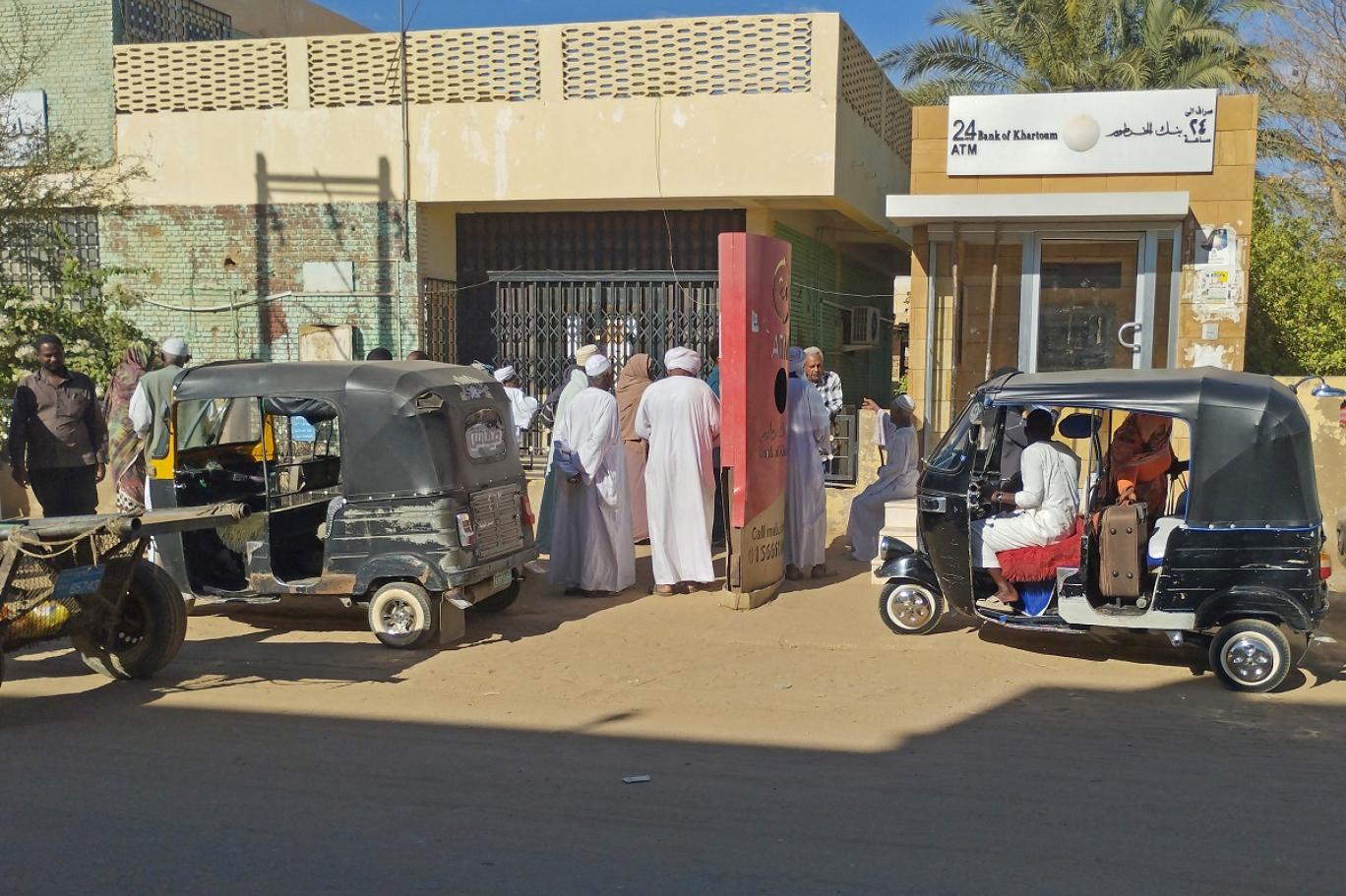
Despite the Sudanese government’s call for its employees in Khartoum to resume their duties, many believe that implementing this decision is nearly impossible. The environment in Khartoum State is largely uninhabitable due to the massive destruction of infrastructure, which has paralyzed essential services such as electricity, water, health, and education. Furthermore, most citizens have lost their property to looting and robbery, forcing them to rebuild their lives at a high cost an option currently out of reach given their deteriorating financial situations.
Reconstruction Phase
Prime Minister Kamel Idris has called for the resumption of government work from the capital, urging the removal of obstacles and challenges to allow ministries to function again.
Similarly, the Governor of Khartoum, Ahmed Osman Hamza, called on citizens to return to the capital and contribute to restoring the features of daily life. He noted that governmental and community efforts are accelerating to restore services and rehabilitate infrastructure damaged by the war, despite significant technical and financing challenges.
The Khartoum State government has officially ended the open-ended leave granted to employees since April 2023, ordering their return to work. Officials stated this decision responds to the requirements of the reconstruction phase and the urgent need for human resources to manage official institutions, while granting employees a grace period to settle their affairs.
However, the United Nations previously declared that the Sudanese capital remains unsafe for resuming activities. The UN Department of Safety and Security indicated that central Khartoum suffers from widespread destruction and will remain difficult to access until January 2026 due to large quantities of explosives, remnants of war, and the collapse of basic infrastructure.
Fears of Returning
Noha El-Amin, a civil servant, says: “Since the war broke out in Khartoum over two years ago, halting work and forcibly displacing us, we have suffered complex living conditions in neighboring countries. Our monthly salaries have been slashed and the allowances that provided family stability have stopped.”
El-Amin added, “In my view, the government’s decision to bring employees back now is unjust and misguided. We were forced to leave the country for fear of the brutal violations committed by the Rapid Support Forces (RSF) against citizens, especially women. Furthermore, it is difficult to live with the lawlessness that accompanied the war and has now worsened, occurring in broad daylight. This is on top of power outages and water shortages that have forced residents to fetch water from unsafe sources, leading to cholera outbreaks.”
She continued: “Our homes have become like ghost houses; rebuilding them and recovering even a small portion of our belongings requires vast sums of money. Resuming government work increases our financial burden because we would have to rent habitable housing at a high cost, while food prices are soaring due to inflation. Where will we get the money to secure a life? It is unfortunate that the decision was accompanied by threats that failure to report to work would result in termination and the loss of end-of-service benefits.”
Aggravating Crises
Mudather Abbas, an employee in a Khartoum local municipality, explained: “Working and living in an unprepared environment is extremely difficult. The area requires comprehensive cleaning and sterilization campaigns, even in residential neighborhoods where decomposing bodies and remnants of war are collected. The current situation has already claimed the lives of many, especially children.”
Abbas added: “I cannot implement the decision to return until I can guarantee the safety of my family. Most who returned were shocked by the conditions: continued security instability, lack of hospitals, widespread hunger, reliance on communal kitchens, and the unbelievable rise in commodity prices.”
Necessity and Compulsion
Fath Al-Rahman Al-Bashir, a bank employee, said: “Personal circumstances forced me to resume work after my office was moved from central Khartoum to Omdurman, which is relatively stable. However, I had to leave my family in a neighboring country for fear of diseases and the lack of medicine, especially since I have children.”
He noted that the current face of Khartoum is terrifying: “Most houses are empty and abandoned. The sight of the destruction is extremely painful. In my estimation, restoring life will take years given the scale of the ruin.”
A Political Decision
Shawqi Abdelazim, spokesperson for the Sudanese Professionals and Trade Unions Coordination, stated that the decision to return employees is “primarily a political decision,” as a return requires services that meet basic needs.
Abdelazim highlighted major issues regarding salaries and the collapse of security despite the army’s control over parts of the capital. He argued that the decision puts immense pressure on families to return from safe areas, noting that areas reclaimed from the RSF need massive rehabilitation before they are fit for habitation.
He concluded: “This decision aims primarily to secure funding from the international community for reconstruction and to provide aid. More importantly, it seeks to prevent the RSF from attacking Khartoum again by avoiding the human cost associated with such a move.”