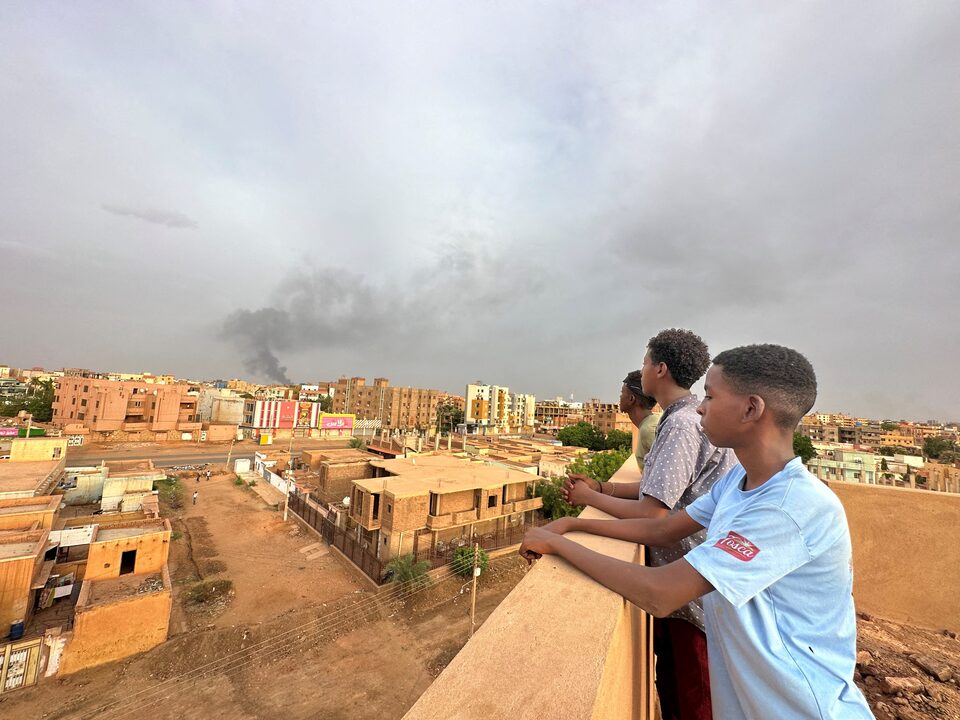
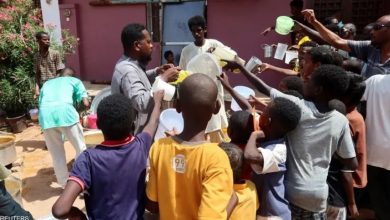
The city of Omdurman, one of the three major cities in the Sudanese capital, is witnessing serious steps toward recovery and the restoration of life following the hardships of war, killing, and looting. This historic city had been largely deserted by its inhabitants since the outbreak of fighting between the Sudan Armed Forces (SAF) and the Rapid Support Forces (RSF) in mid-April 2023, following the latter’s takeover of large swaths of the capital.
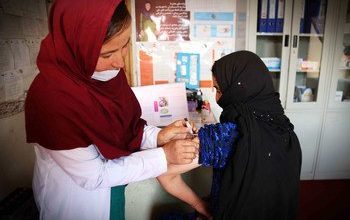
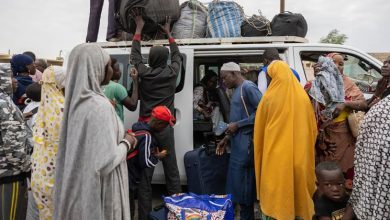
Last May, the Army managed to retake Khartoum and declare it free of the RSF that withdrew westward to Darfur and Kordofan. This prompted residents to begin a voluntary return from displacement areas, specifically to the suburbs of Umbada, Al-Thawrat, and the city’s southern countryside, including Salha, Al-Shaqla, and Al-Fitayhab. These areas have become crowded with residents and bustling activity due to the return of basic services like water and electricity, the regularization of transportation lines, and the reopening of markets and hospitals, alongside a decline in diseases and epidemics.
However, challenges still threaten citizen stability and the city’s recovery, particularly regarding the rising prices of consumer goods, which increase daily. This exacerbates the complexity of living conditions amid widespread unemployment and high poverty rates, despite the abundance of food supplies following the revival of markets from the rubble of war.
A Wave of High Prices
Zainab Abdullah, who returned to the Al-Thawra suburb in Omdurman, says: “I returned to my home two months ago after more than two years spent with my family in a displacement center in River Nile State. I came back to resume my government work in Khartoum so as not to lose my job. In reality, life has returned to normal in most areas of Omdurman, which is currently one of the most densely populated cities in the capital, housing both those who stayed throughout the war and those who returned.”
She adds: “You can see this in the markets bustling with movement, where all types of consumer goods, vegetables, and fruits are available. However, there is a ‘insane’ wave of price hikes that is indescribable. This has caused citizens to suffer in their living conditions and lose purchasing power, leading to the hunger crisis that has become a common topic of conversation in Sudanese society.”
She continues: “Transportation lines have also begun to stabilize, but fares are high, limiting movement to extreme necessity. Fares vary by vehicle size and route; a small bus ticket costs 1,000 Sudanese Pounds ($1.66), while large buses cost about 2,000 Sudanese Pounds ($3.33). Additionally, while electricity and water have stabilized in some areas and health centers in residential neighborhoods have begun receiving patients, the real suffering lies in the lack of medicine in most pharmacies, and when found, the prices are exorbitant.”
Zainab notes that the Omdurman Market, one of the oldest, has seen merchants resume activity after having moved their businesses to safe states during the war. This has increased foot traffic as citizens buy essentials to rehabilitate homes that were looted. Other markets like Libya Market and Sabrin Market are also crowded with buyers.
The government employee pointed out that while there are concerted efforts by merchants to revive the markets, residents are suffering from the collapse of the country’s distressed economic situation. They hope the government will work to improve living conditions in light of the unprecedented return of displaced persons from both inside and outside the country.
Overcrowding and Challenges
In a related context, Rawda Fadl, a resident of Umbada suburb, believes that: “During the war, the city remained a safe haven for most residents of the capital, especially Khartoum and Bahri, despite undergoing extensive destruction. We witnessed this sabotage because we were unable to flee. With the gradual return of residents, reconstruction of looted and destroyed homes has begun, as have street cleaning and debris removal. This is reflected in the return of activity in all aspects of life, especially markets.”
She added: “Life remains harsh, especially regarding high prices, which has weakened purchasing power even for basics. Many are unable to resume their jobs, and monthly salaries have stopped.”
She noted that while some neighborhoods in Omdurman, particularly in the southern countryside, see stability in vital services, there are “worrying challenges.” Most notable among these is the spread of weapons, which has led to an increase in armed robberies, and long power outages that prevent the use of water pumps. Citizens also suffer from diseases, specifically cholera.
Continuous Revival
For his part, Barakat Yusuf, a shop owner on Al-Wadi Street, explained that there is active movement in the city. He noted that during the war, shops could be counted on one hand; now, dozens of merchants have resumed activity.
“The markets in Khartoum city still suffer from the effects of destruction, which has made Omdurman’s markets flourish as citizens flock there to meet their needs. Al-Wadi Street is now bustling and serves as a parallel to Al-Sitteen Street in Khartoum.”
Recovery and Adaptation
Community activist Moawiya Bashir says: “In my estimation, there is a tangible recovery in Omdurman driven by the return of citizens who have defied economic conditions. Most are managing their lives with minimal costs or by working informal jobs.”
Bashir noted a boom in some government sectors, especially health. Omdurman Teaching Hospital has returned to service after being out of commission since the start of the war, as has Al-Nau Hospital and several private hospitals. However, medical bills remain high. He added that while life is generally proceeding well, citizens remain troubled by ongoing “security lawlessness” and the fear of drones launched by the RSF from time to time.
A Terrible Slide
Conversely, economic researcher Abdel Wahab Jumaa says the Sudanese economy is facing its worst crisis due to the war, with inflation exceeding 80% and a sharp deterioration of the Sudanese Pound.
“In light of this painful reality, citizens’ lives have become limited to providing only the bare priorities. Most rely on foreign remittances from relatives abroad,” Jumaa said. He warned that without urgent state intervention to rescue the economy from an inflationary abyss, it will undoubtedly reach higher levels as the dollar continues to jump. He noted that low-income families are the most affected, while the absence of market regulation has increased poverty and hunger.