Rising Cases of Enforced Disappearances Alarm Sudanese Families
Kordofan – Report by Burai Al-Abnosi
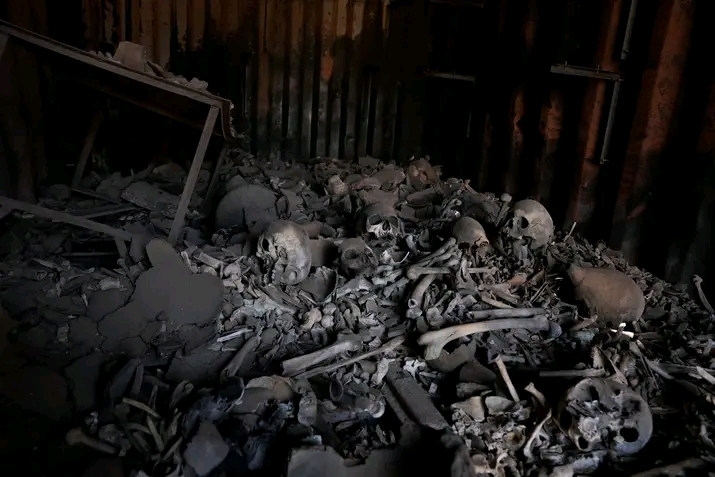
The ongoing war in Sudan between the Sudanese Armed Forces and the Rapid Support Forces (RSF), which erupted in April 2023, has triggered a surge in enforced disappearances and abductions — raising concern and anger among families, legal experts, and activists. Reports of deaths in detention centers have only added to fears about the fate of thousands of missing civilians.
Numerous reports have surfaced about victims who have been missing for more than two years. Human rights organizations accuse both warring parties of carrying out unlawful arrests and detentions of Sudanese civilians.
Social media platforms are filled with appeals and missing persons posters, showing photographs and contact numbers for their families. Despite the partial resumption of police work in Khartoum and parts of Gezira State, the official search process remains extremely complicated.
Suffering and Uncertainty
From the first day of the war until now, dozens of families have lost contact with loved ones due to arrests and enforced disappearances.
Zamzam Hussein, a resident of Bahri, shared her story with Mashawir platform: “I lost my son, Salim, more than a year ago. He used to work at the markets in East Nile, Khartoum, and would come home every evening. One day, he didn’t return as usual. We tried calling him, but his phone was off. At first, we thought it was due to a dead battery or one of the frequent network outages.”
She continued: “As the hours passed, our concern grew. I couldn’t sleep that night. We contacted his colleagues, and they confirmed that he had left work to go home. Since then, we’ve searched for him relentlessly — posting his photo on social media — but have yet to find any clue about his whereabouts.”
New Crises
According to sources who spoke to Mashawir, many of those arrested in Sudan’s capital cities — Khartoum, Omdurman, and Bahri — by the RSF have been transferred to detention centers in the Darfur region.
There is little information available about them. Some have reportedly died due to hunger, illness, or torture. The issue of missing persons has become one of the most complex and painful aspects of the war. Some families have lost multiple members — either through detention or during their desperate search for safety away from the conflict zones.
In response, volunteers and relatives of the missing have created social media pages to gather and share information, document cases, and try to trace any evidence that might reveal the truth. Human rights organizations have also submitted appeals to relevant authorities, expressing deep concern over the growing number of disappearances — especially involving women and children — many of whom have been victims of rape and violence.
Hidden Tragedies
Al-Sadiq Ali Hassan, Chairman of the Darfur Bar Association’s Board of Trustees, told Mashawir that “the list of prisoners released in Khartoum and Jabal Awliya revealed some insights into the fate of hundreds of missing persons, including tragic details about the circumstances of their detention and disappearance.”
He added that the RSF bears primary responsibility, as most of the violations — including detention, disappearance, and reported deaths in custody — occurred in areas under its control, including parts of Khartoum, Gezira, and the city of El Geneina in Darfur.
Shocking Statistics
The Sudanese Group for the Defense of Rights and Freedoms reported that 50,000 people have gone missing since the war began in April 2023.
Most of the missing are from conflict-affected states like Khartoum, Sennar, White Nile, Gezira, and the Darfur region. The group expects shocking revelations after the war ends — particularly regarding crimes committed against women and children, including rape.
They also cited reasons for the lack of comprehensive data, including communication blackouts and inaccessibility of areas under RSF control. It is likely, they say, that the actual number of disappeared individuals is much higher.
A Complicated File
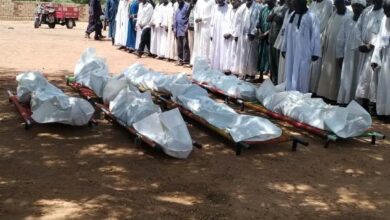
Rahab Mubarak, a member of the Emergency Lawyers Committee, described the missing persons issue as “complex and entangled,” due to the overlap of factors involved in searching, documenting, and collecting DNA samples — especially following the discovery of mass graves in northern Khartoum, Bahri, and the Salha area of Omdurman. Dozens of victims were reportedly buried in open areas or even in front of homes.
Speaking to Mashawir, Mubarak noted that despite the release of thousands of detainees in Khartoum, hundreds remain unaccounted for. Many were killed in the streets, their bodies left to decompose. Some were buried without identification.
She added that the committee lacks accurate statistics for missing persons in Khartoum, largely due to long-term network outages — sometimes lasting over three months — in many areas.
Weak Tools and Growing Fears
With this situation, fears continue to grow among civilians living in conflict zones. Enforced disappearances, abductions of girls, and sexual violence or murder are becoming more common.
Women’s rights activist Mowadda Najm Al-Din voiced deep concern about the rise in enforced disappearances. She said, “Testimonies from survivors confirm that girls are being held in various locations across Darfur, pointing to escalating gender-based violence tied directly to the conflict.”
Speaking to Mashawir, she added that volunteers face serious challenges in locating the missing — especially among the elderly and youth — since they have no legal authority to access military or RSF detention sites. The ongoing war further restricts movement, and families of the missing are often the only source of information.
Najm Al-Din concluded: “This issue is deeply distressing for families. They don’t know whether their loved ones are alive, dead, or suffering somewhere. Sadly, efforts to find them rely on informal methods — social media, volunteer groups, and activists. These tools are no match for official mechanisms like the police, who have the legal powers, resources, and investigative experience. Moving around during wartime is also extremely risky and must be carefully calculated.”