Wedding and Mourning Rituals Accompany Sudanese People into Displacement
Mashawir – Agencies
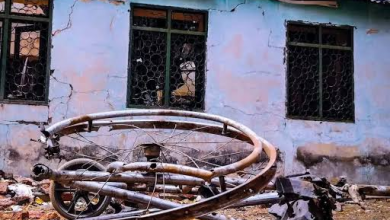
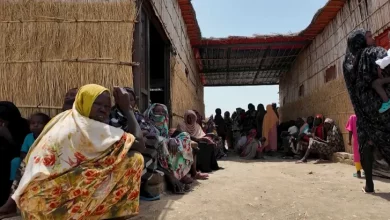
Wars and conflicts have forced millions of Sudanese to flee their homes, leaving behind their cultural, artistic, and literary heritage, as well as traditions and customs that have evolved over centuries of civilization.
The war that began on April 15, 2023, has presented Sudanese people with a great challenge — preserving the customs and traditions that shape the identity of Sudanese society. Despite the hardships of displacement, many carried this cultural legacy with them to foreign lands, while others chose to let it go.
Sudanese traditions — in clothing, weddings, and mourning — form an essential part of individual and collective life. Even in displacement countries such as Egypt, Chad, Saudi Arabia, Libya, Ethiopia, and South Sudan, women still perform “Jirtig” (a traditional blessing ritual), “Qat‘ al-Rahṭ” (cutting the waist belt), and henna ceremonies, accompanied by songs to the beat of the “Dalluka” (a traditional drum).
In mourning houses, traditional rituals also persist, such as serving coffee and tea in the customary way and reciting group prayers and remembrances.
Social Bonds
According to music and heritage researcher Amir Al-Nour Ibrahim, “Heritage is one of the most important products of human thought, contributing to strengthening social bonds and uniting the emotional identity of the nation. Traditions and culture have great value, helping to reveal the depths of human nature and ignite the spirit of tolerance and unity.”
He continued, “We must protect, preserve, and develop our cultural and traditional values — whether material, oral, or natural — by raising public awareness through arts and music. Heritage contributes to nation-building and plays a major role in achieving peace.”
Ibrahim explained that when a person migrates, they leave behind many things inherited from ancestors — such as pottery, ornaments, traditional tools, jewelry, and costumes — which are difficult to carry during flight. Even intangible heritage like folktales, riddles, and songs can fade amid displacement. “For example, a person from Darfur cannot carry the ‘Nagara’ drum during displacement, which prevents them from performing their folk dances — leading to the loss of such traditions,” he said.
He added that “practicing heritage requires security, peace, and stability — conditions that only exist in one’s homeland.”
The researcher also noted that the war has affected traditional values such as Sudanese generosity, which has declined due to hardship and scarcity.
He suggested ways to preserve heritage — through festivals, cultural forums, exhibitions, workshops, and supporting organizations that protect both tangible and intangible heritage. He also called for psychological support for war-affected children, rebuilding social cohesion, and preserving folk groups such as “Kambala” and “Nagara”.
He emphasized the need for a new national art movement — “a heroic, patriotic art that calls for peace and coexistence, creating a collective cultural voice that unites the people.”
Preserving Heritage
Ibrahim stressed the importance of transmitting heritage to future generations, as culture and the arts could provide a way out of crisis:
“Art is a universal language understood by all peoples. Heritage plays a key role in development and public awareness, which can be promoted through open community art workshops that encourage participation in cultural activities.”
He added that every artist and intellectual should have a national role in addressing social issues, urging the state to support community organizations dedicated to preserving heritage.
According to him, many Sudanese still practice traditions — such as Pharaonic circumcision, Jirtig, Simeya (naming ceremonies), and henna rituals — which date back to the 16th century, during the Funj Kingdom.
He noted that Sudanese people also remain attached to traditional foods like Mullah Al-Wikab, Balila, Dabba, sesame, Tarkeen, and Molita, as well as drinks like Medida Dukhan (millet porridge), Gongolese juice, and Ardeeb (tamarind). Traditional household items such as Anagreeb (wooden beds), Buroosh (woven mats), and farming tools are still in use, alongside folk dances like Mardoom in Kordofan, Nagara in Darfur, Hoseeb in Eastern Sudan, and vertical jumping dances in some regions.
Simplicity and Diversity
Heritage and history researcher Abbas Ahmed Al-Haj noted that although migration and displacement affect societies, “Sudanese people possess a strong culture that makes them less influenced by the societies they move to. In fact, they often influence those societies instead.”
He added that Sudan’s cultural legacy is “profound, diverse, and admired by many nations for its simplicity and depth.” Sudanese people, he said, are not easily swayed by new cultures — and even when influenced, the impact remains limited.
“Anyone who has visited Sudan has been impressed — by its culture, arts, and dances. We see Sudanese influence in Egypt, Saudi Arabia, the UAE, Oman, and even the U.S. Therefore, there is no fear for Sudanese heritage — it will endure.”
Wedding Rituals
With the massive displacement of Sudanese to neighboring countries, especially Egypt, Sudanese cultural markets have flourished, offering traditional foods, clothing, and crafts.
Sudanese expatriate Nasreen Marzouq Orchi said, “Sudanese products are widely available here in Cairo, though prices are high. Still, demand is strong because these items carry emotional and cultural significance. Even Egyptians are increasingly interested in Sudanese products such as henna and traditional beauty accessories.”
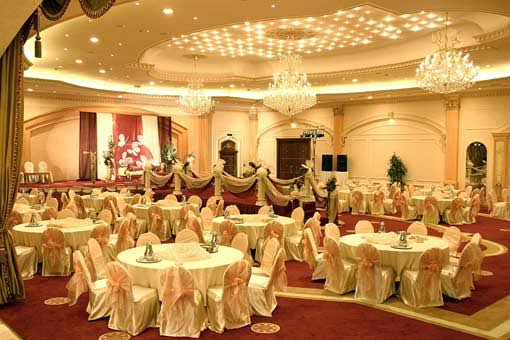
Among the most famous Sudanese wedding rituals is “Jirtig,” which remains popular even abroad. The bride’s dance is another long-standing and evolving custom that continues to thrive among younger generations.
Sudanese woman Asmahan Issa explained that “Jirtig used to be an essential part of marriage ceremonies — with trays filled with perfumes, sandalwood, and aromatic herbs. The bride and groom wore red and silk garments for blessing and protection.”
She added that while the new generation still practices these rituals, they have become more about social display and fashion than spiritual symbolism: “Even the bride’s dance is now a show of wealth — but its continuation, even for show, is better than its disappearance.”