After a long absence, the Flower Show returns to Khartoum not merely as a seasonal event, but as a turning point in the city’s mood and soul. Exhibitions are not measured by the number of lined-up basins or the colors of arranged roses, but by the tranquility and hope they plant within the spirit.
For years, the Flower Show was one of the most anticipated events for families. It was an open space for simple joy, for taking photos, and for buying a small seedling to take home like a green promise of a more beautiful future. Its absence was not just the absence of an event; it was the loss of a social ritual that Khartoum needed in order to breathe.
A Recovery of Activity
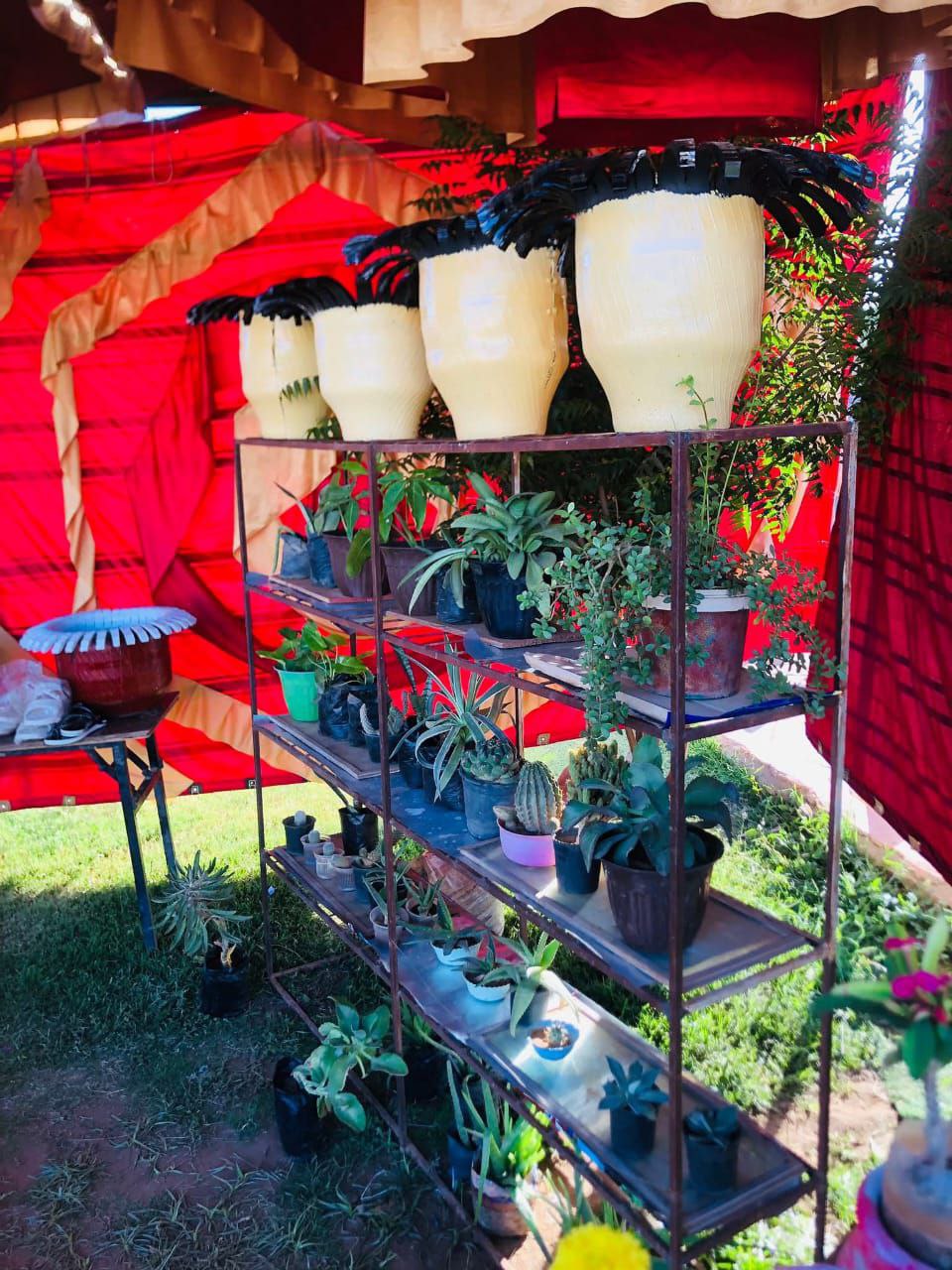
Today, with its return, the flowers seem to be saying something greater than their own beauty: that the city, no matter how burdened by challenges, is capable of blooming anew. In the aisles adorned with the colors of carnations, jasmine, and bougainvillea, people meet over the simplicity of joy. They exchange talk about farming, about homes that need a green balcony, and about a homeland that deserves to be rearranged like a garden.
The economic importance of the show is no less than its moral symbolism. It opens a window for local nurseries, supports small producers, and encourages a culture of home gardening that has become both an aesthetic and environmental necessity. It also grants young people interested in agriculture and landscape design a chance to showcase their talents and perhaps turn their passion into sustainable projects.
The Psychological Impact
But most important of all is the psychological impact. In a city that has lived through periods of anxiety and disruption, the gathering of people around roses becomes a quiet act of resistance. Flowers do not change reality on their own, but they remind us that the earth is still capable of giving, and that hope is not a slogan, but a seed that needs care.
A Message of Peace
The return of the Khartoum Flower Show is not a fleeting event on the calendar; it is a clear message that life is resuming its stride. It signals that Khartoum, known for the beauty of its gardens and the warmth of its people, can rearrange its leaves… and plant a new flower in every corner.
Cities, like gardens, may pass through seasons of drought, but they never forget how to bloom.