After more than two years of disruption, during which two academic years were lost and the admission of new batches ceased, thousands of Sudanese students find themselves facing a new reality: a forced return to the lecture halls of universities and higher institutes in the capital, Khartoum. This comes especially after the closure of external branches and centers opened by universities abroad, as well as the failure of thousands of students to enroll in universities in neighboring African countries like Egypt, Uganda, Kenya, and Rwanda due to high tuition costs, differing curricula, and difficulties integrating into new societies.
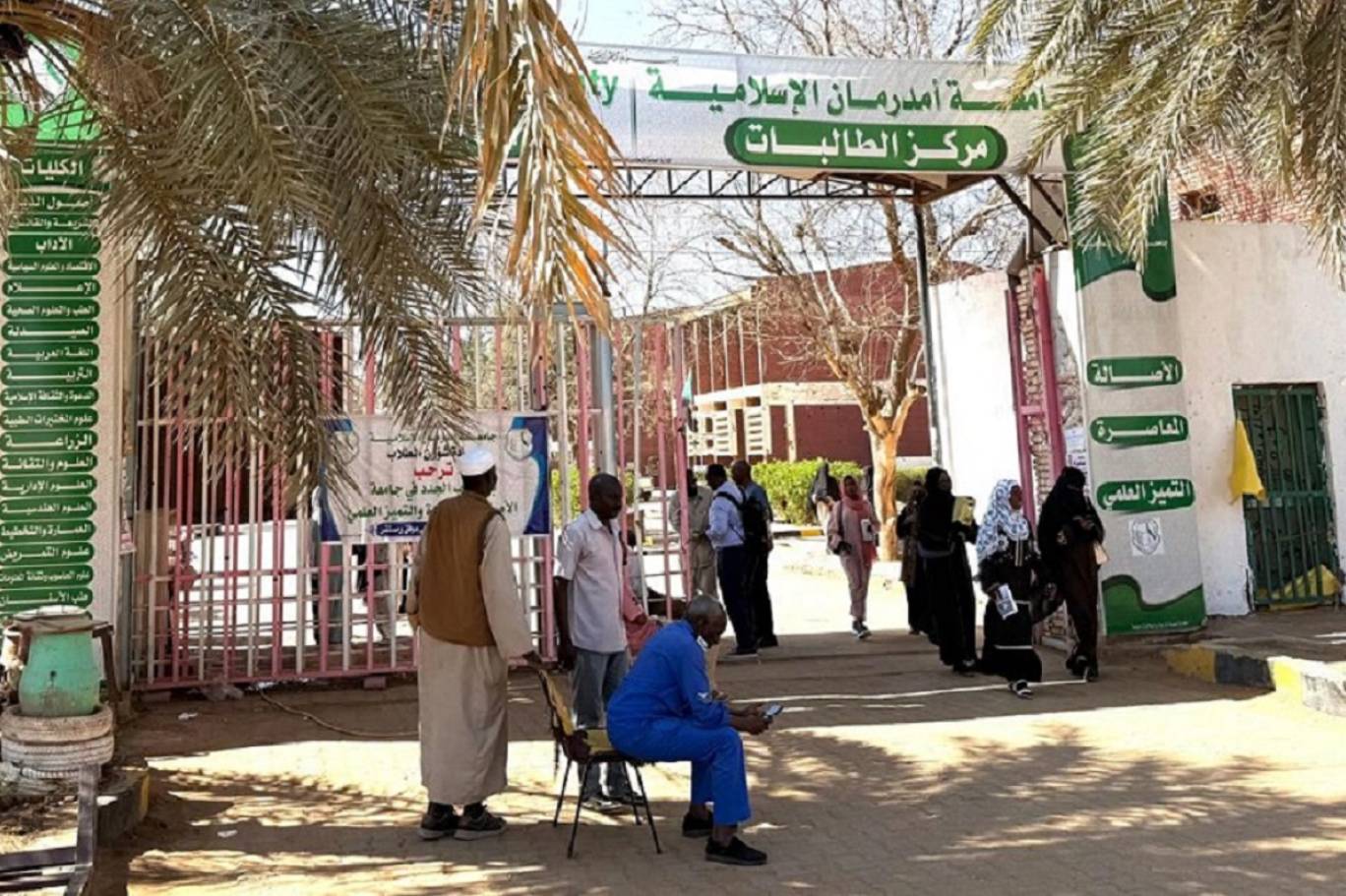
More than five universities in Khartoum have resumed academic activity after a hiatus of over two and a half years. Thousands of students were received with tears and joy, and stable conditions motivated hundreds to meet inside and outside classrooms, despite challenges such as the destruction and vandalism of public and private higher education institutions, electricity and water outages, and economic conditions.
A Mandatory Return
In June, the Ministry of Higher Education and Scientific Research in Sudan issued a decision to close external branches and centers opened by universities abroad and mandated that public, private, and community higher education institutions return to practicing academic activities inside the country.
The Ministry emphasized the necessity of implementing the decision aimed at resuming the educational process in all safe states and areas liberated from militia control, confirming the government’s commitment to reconstructing destroyed universities.
The University of Khartoum adhered to the decision for a partial return of students and faculties. Students entered halls after a two-year interruption to sit for transition exams and attend classes. Meanwhile, Al-Neelain University resumed its academic activity from within the capital, Khartoum, alongside other public and private universities and institutions in cities liberated by the army from the Rapid Support Forces.
An Important Step
Hazem Hamdi, who was forced to leave Khartoum after the war broke out while nearing the completion of his third year at the Faculty of Arts, University of Khartoum, said that the resumption of academic activity is a step in the right direction. He noted it contributes to stability and allows students to complete their studies, especially since thousands sacrificed three academic years due to the armed conflict.
Hamdi added that while there are many difficulties facing staff and students, solutions are available as recovery progresses with the start of rehabilitation and reconstruction, alongside the easing of utility crises and the preparation of a suitable environment. He explained that students stuck in Khartoum and those returning from displacement met with tears of joy despite the difficult conditions and incomplete maintenance of infrastructure and equipment.
Complexities and Challenges
In a related context, Majda Abadi, a medical student at Al-Neelain University, noted that she returned from Uganda after the university resumed studies. However, she pointed out many complexities facing students, parents, and the universities themselves.
She highlighted that many families lost all their property and resources, their homes were destroyed, and they need significant funds to resettle in Sudan. Additionally, most universities have not completed repairs to buildings and lecture halls, compounded by electricity and water crises. Abadi warned that these challenges would significantly affect the quality of education and the health environment due to the destruction of scientific tools like labs and libraries.
Difficulties and Problems
Academic lecturer Motasim Al-Zaki Dontai believes that the return of students and staff varies based on individual circumstances. He observed that many who returned from abroad or are enthusiastic about returning are in their final years. Their decision was often forced by the failure to join universities in neighboring countries due to difficult admission requirements, which sometimes required them to start from scratch.
Al-Zaki noted that some students joined universities abroad when the war began and are now nearing graduation. He added that tuition fees in Egyptian universities, which were previously affordable, rose to record levels after the war. The suffering of families has reflected on the academic situation, with thousands unable to continue studies in India, Malaysia, Turkey, or Uganda due to high costs and living expenses, making the return to Khartoum the best option.
He continued by saying that many students faced difficulties abroad, including curriculum differences and language barriers, as English is the official language of instruction in many of those universities. According to Dontai, the decision to return to Khartoum universities is essentially a political one, as the environment is currently far from ideal and infrastructure repairs are incomplete.
Economic Conditions
Hamdi Salahuddin, a lecturer at the University of Sciences and Technology, explained that the primary reasons for the forced return are economic conditions abroad. Most families fled to neighboring African countries like Kenya, Uganda, Ethiopia, and Rwanda, where there are few income sources or job opportunities. He also noted the high cost of education in Saudi Arabia, Qatar, and the UAE.
Salahuddin believes students face difficulties arranging their lives with families who lost everything to looting. He added that some professors who settled in African and Arab countries with good salaries may not return to Sudan under current conditions. Wealthier families whose children joined Arab or African universities are also unlikely to return.
Efforts and Solutions
Emad El-Din El-Tahir Aradeib, Director of the University of Khartoum and President of the Sudanese Universities Union, believes the return to campus became possible after army victories in many cities, necessitating the start of reconstruction and academic activity.
Aradeib revealed the formation of committees to monitor academic processes, credit hours, and teaching. They are also looking into hosting students from universities in unstable states at universities in safe states.
Al-Nour Abdullah Jadin, Dean of the Faculty of Communication Sciences at the private Mashreq University, indicated that the situation might be less severe for public universities due to state budgets for salaries. Private and community universities, however, face a very complex situation because they rely on student tuition fees, which ceased during the two-year hiatus.
He added that universities in safe states like White Nile, Port Sudan, Sennar, Kassala, Northern, River Nile, and Al-Qadarif are experiencing relative stability. They have absorbed tens of thousands of displaced students from Khartoum. Furthermore, some regional universities are temporarily hosting more than 15 universities and colleges from Khartoum, Kordofan, Darfur, and Gezira.