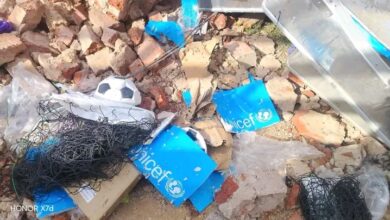
The Humanitarian Action Committee of the Civil Democratic Alliance of Revolutionary Forces (Somoud) has issued a report on the humanitarian situation in the Blue Nile region. It stated that it is “following with great concern the recent field developments in the Blue Nile region and the serious and rapidly deteriorating humanitarian conditions that have resulted, following the military escalation and the takeover of several areas by the Rapid Support Forces in recent days.”
The report added, “United Nations reports indicate that the military escalation in the state has significantly restricted humanitarian operations, amid increasing insecurity and the imposition of restrictions on the movement of humanitarian workers and organizations operating in the region. This has led to the suspension of some relief activities, leaving thousands of civilians without basic services.”
Ongoing Displacement
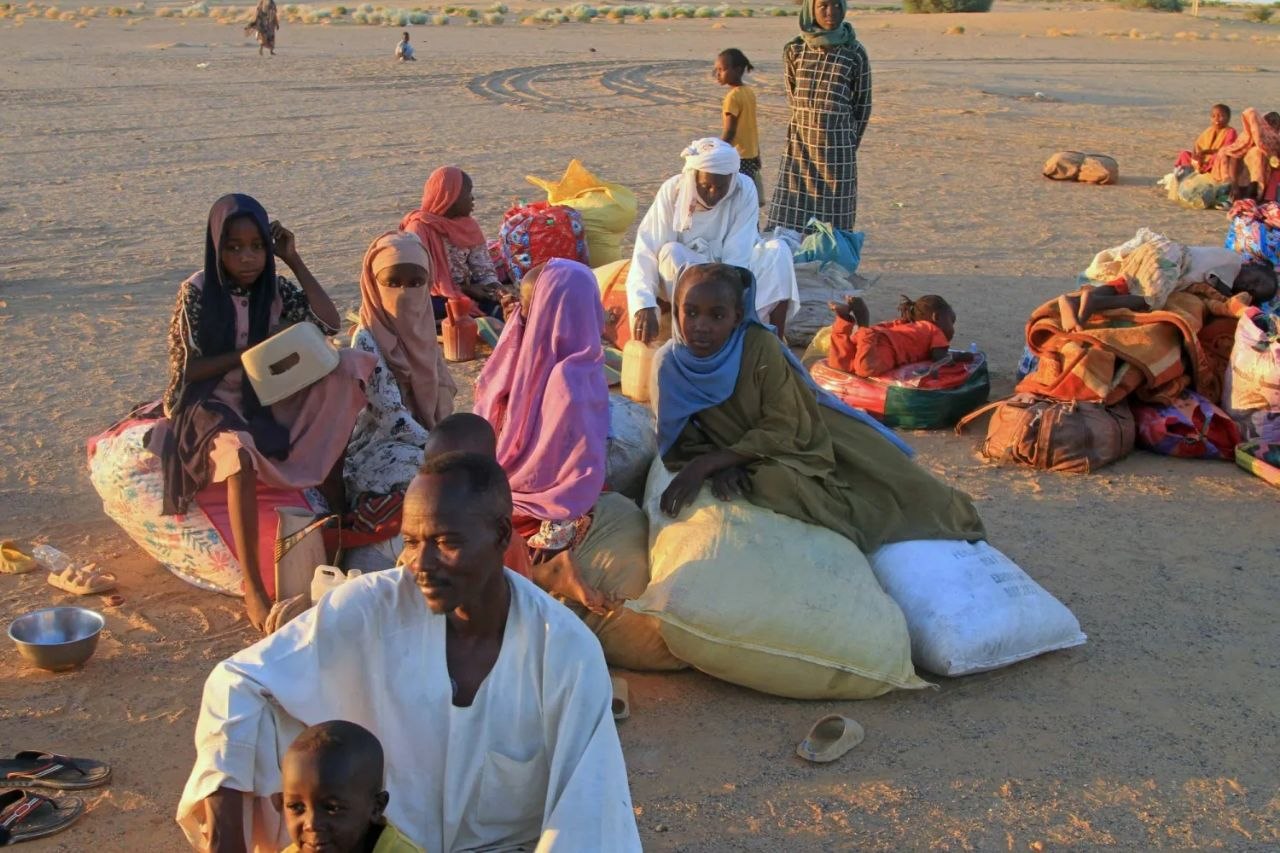
Reports from the United Nations Office for the Coordination of Humanitarian Affairs (OCHA) described the situation in areas such as Kurmuk and Qeisan as “catastrophic,” with residents in urgent need of immediate humanitarian assistance, amid large-scale displacement due to ongoing clashes and insecurity.
According to recent field data, around 500 people have been displaced from Kurmuk to Dandro, and about 1,000 to Wad Al-Mahi. The total number of displaced persons has exceeded 79,000 across several safer areas, most of them women and children. Additionally, around 7,000 people have crossed the border into Ethiopia, where they are living under harsh humanitarian conditions characterized by severe shortages of food and drinking water, overcrowded shelters, deteriorating health conditions, and increasing risks of disease outbreaks.
Beyond Local Capacity
The report further emphasized that the scale of the humanitarian crisis in the Blue Nile has exceeded local response capacities, amid ongoing military operations, difficulties in humanitarian access, and increasing security risks to supply routes, which threaten to worsen the crisis in the coming period.
It noted that the Humanitarian Action Committee of the Somoud Alliance strongly condemns all violations against civilians, holds all parties to the conflict responsible for the current situation, and stresses the following:
The immediate cessation of military operations in civilian areas
Ensuring safe, rapid, and unhindered access for humanitarian aid
Protecting civilians and infrastructure in accordance with international humanitarian law
Opening urgent humanitarian corridors to evacuate civilians and facilitate relief efforts
Urgent Intervention
The Humanitarian Action Committee of the Somoud Alliance called on the United Nations, its agencies, international and regional organizations, and all humanitarian actors to undertake urgent and coordinated intervention to provide basic needs and prevent the situation from deteriorating into a broader humanitarian catastrophe in the region.
The committee emphasized that the continuation of the conflict is the main cause of this suffering, and that protecting civilians and ending the war remain the fundamental entry points for any genuine humanitarian response.