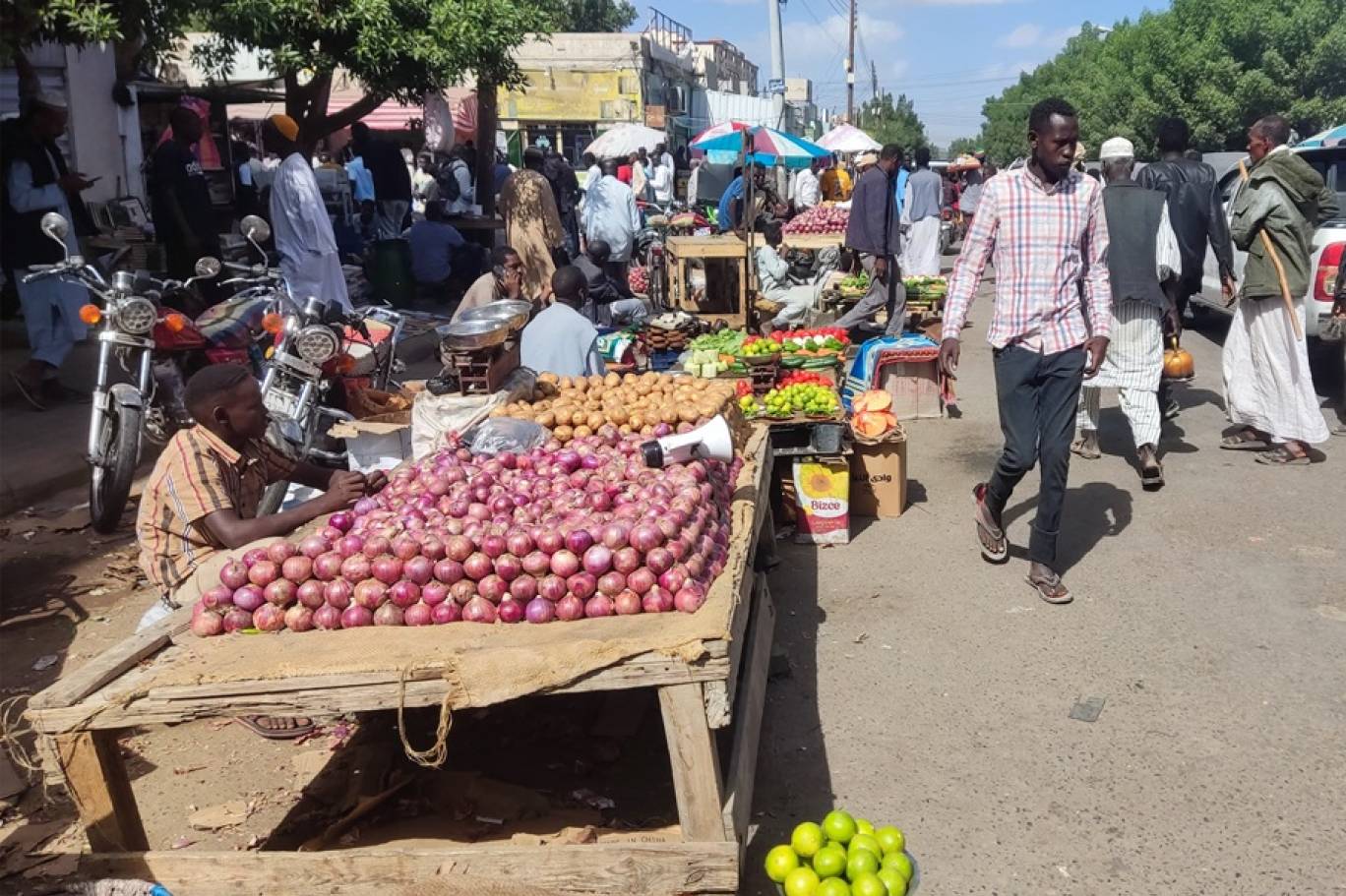
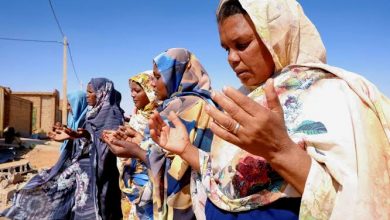
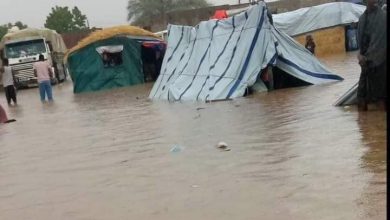
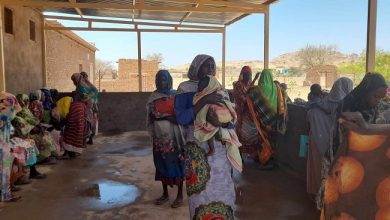
As tensions and between the United States and Iran continue in the Middle East, their repercussions have begun to reach Sudan—particularly on the economic front. The conflict has contributed to a severe fuel crisis and rising prices, disproportionately affecting the poor. At the same time, international attention to Sudan’s crisis and efforts to end its war have declined. This raises a pressing question: has the world forgotten Sudan?
In this context, Mashawir consulted several experts and analysts on the economic and political implications of the Middle East conflict on Sudan.
Military Superiority Without Resolution
Political researcher Ali Bakhit noted that U.S.–Israeli military superiority is clear, particularly in terms of air power and advanced technologies such as AI-assisted targeting. However, this superiority has not translated into decisive outcomes on the ground.
He added that objectives have gradually scaled down—from regime change, to weakening capabilities, and finally to declaring partial results. Meanwhile, Iran’s continued responses indicate that, despite losses, it has not been fully subdued.
He linked this to Sudan, where the war continues with no clear path to resolution, warning that Sudan risks being sidelined globally amid ongoing Middle East tensions.
Declining International Attention
Academic and researcher Hatem Hamed Younis observed a noticeable decline in international enthusiasm to intervene or even pressure for a ceasefire in Sudan. This is not only due to multiple global crises but also a growing erosion of trust in the standards governing such interventions.
He also pointed to the rise of China, which favors economic engagement and soft power, signaling a gradual shift away from traditional military-centered influence.
Continued Support for Conflict Parties
Political analyst Hatem Al-Mahdi linked global developments to the situation in Sudan, noting that overlapping major crises have pushed Sudan’s war into the background—both politically and in media coverage.
He stressed that there are still no real indicators of an imminent end to the war, as external support for both sides continues, albeit at a reduced level. Resource flows—especially gold—remain a key source of financing, often outside effective oversight. Oil, though reduced, still plays a role.
Economic Impacts
Economist Hamed Bashir attributed rising fuel, bread, and food prices to the global increase in oil prices driven by the regional conflict.
He also highlighted the devastating economic consequences of the between the Sudanese Armed Forces and the Rapid Support Forces, noting that the sharp rise in the cost of goods and services adds further strain on citizens already exhausted by war.
These economic shifts are expected to drive inflation significantly higher, further impacting the affordability of basic necessities for Sudanese households.