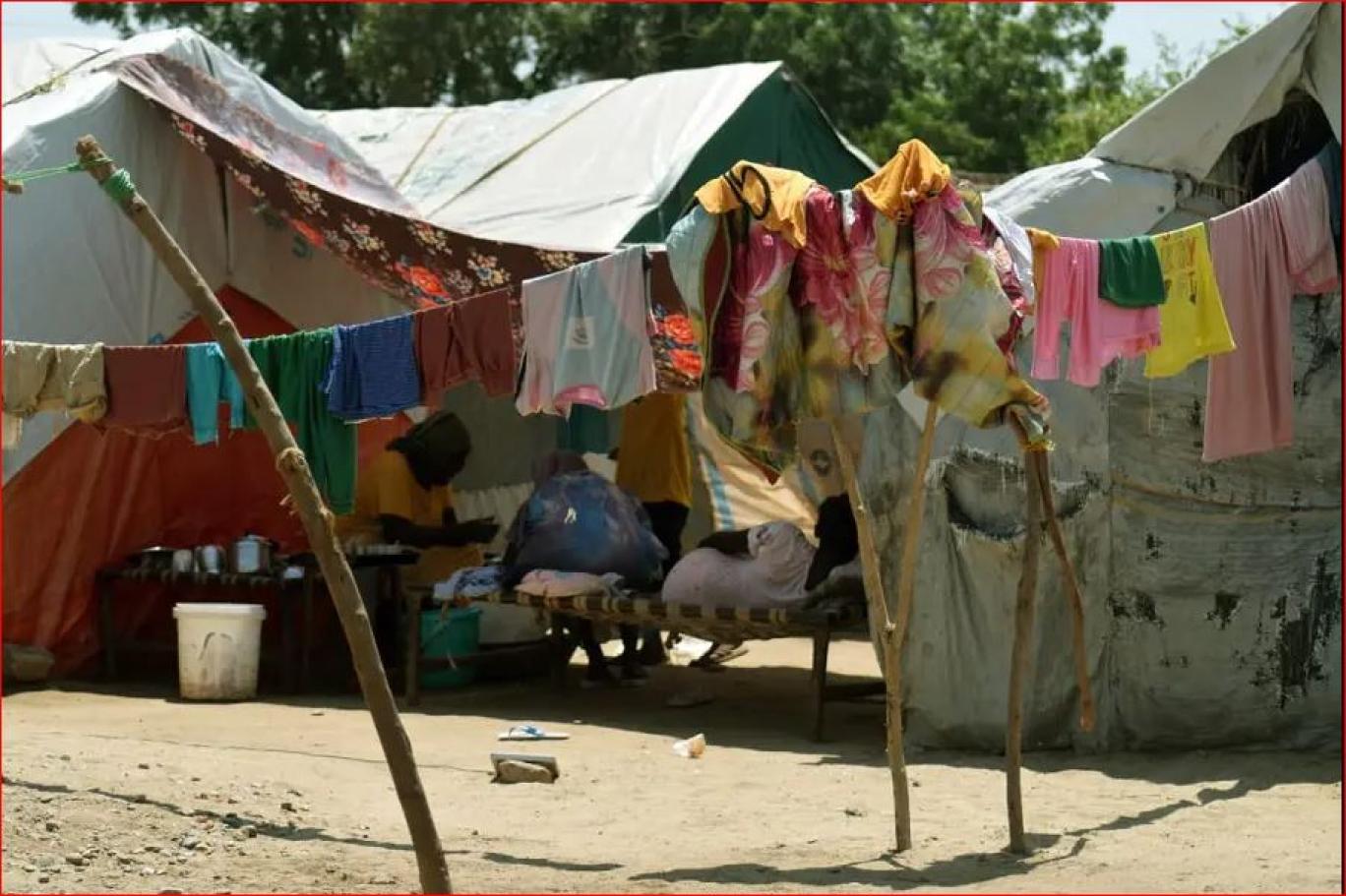
The risk of death due to the lack of healthcare is threatening thousands of Sudanese displaced people in the three Kordofan states, especially amid the spread of deadly diseases and epidemics, including dengue fever, cholera, and measles among children, as well as acute malnutrition among pregnant women and the elderly.
Crises and Challenges
In this context, Sudanese citizen Faisal Al-Sheikh, who lives in Khor Tagat camp in El-Obeid, the capital of North Kordofan State, said that “the number of cholera cases among the displaced has exceeded 18 so far, amid a complete absence of healthcare and lack of food supplies, raising fears of a humanitarian and health catastrophe.”
He added that “some displaced people have been forced to take their sick relatives to hospitals for treatment despite exhausting their financial savings and having no source of income.”
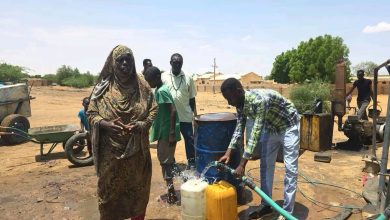
Al-Sheikh explained in his remarks to Mashawir platform that “cholera has become a serious epidemic threat, in addition to challenges related to treatment, including limited resources and the scarcity of health centers compared to the large number of displaced people.”
Children’s Suffering
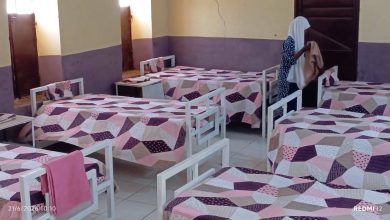
For her part, displaced woman Maryam Omar, who fled from West Kordofan and is currently staying in a shelter center in El-Obeid, said that “children coming from conflict areas in West and South Kordofan are suffering from the spread of deadly measles, while also facing a crisis in immunization and vaccinations, which has worsened their health conditions.”
She noted that “those who were fortunate enough to reach hospitals and receive care have seen improvements, but dozens in the camps are suffering from a lack of treatment and food.”
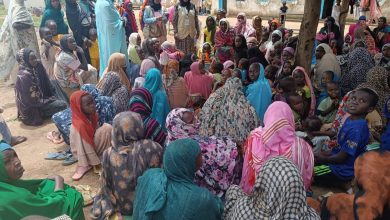
Omar added in her statement to Mashawir that “the vaccination crisis and the lack of adequate healthcare for children in displacement centers pose serious risks to their lives,” calling on local authorities and international organizations to act urgently to save young lives.
She also pointed out that “some cases do not reach hospitals and are instead treated with local he camps due to the lack of medicines and medical supplies in displacement centers.”
Malnutrition
In a related context, the lack of food and rising hunger levels in displacement areas have led to the spread of acute malnutrition among children and pregnant women, resulting in deaths, especially with the suspension of humanitarian aid.
Volunteer doctor Naji Habiballah, working in camps in North Kordofan, told Mashawir that “dozens of pregnant women are suffering from severe acute malnutrition, while more than 12 others are experiencing moderate malnutrition.”
He added that “the number of children suffering from malnutrition has increased in hospitals and shelter centers, and the health conditions of the elderly and breastfeeding mothers are highly concerning.”
Habiballah warned that “malnutrition caused by hunger remains a serious health challenge, requiring increased efforts from international organizations, as well as the development of effective strategies and preventive measures to curb the spread of famine and save lives.”
The volunteer doctor called on the Sudanese Ministry of Health and international organizations to “take the crisis seriously and supply affected areas with medicines and food for children and pregnant women alike, especially in places suffering from a lack of healthcare and shortage of medical staff.”