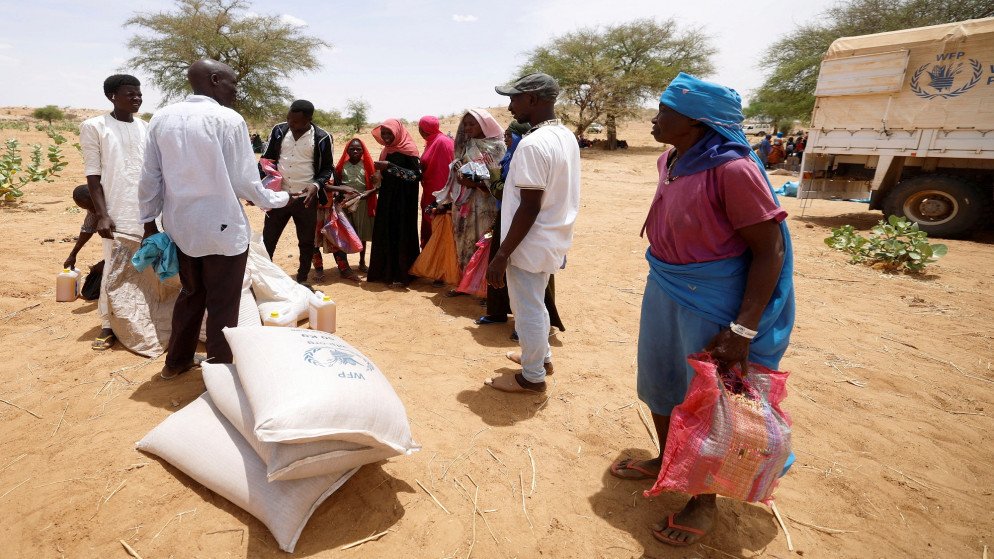
A report issued by the Integrated Food Security Phase Classification (IPC), a global hunger monitoring initiative, stated that around 19.5 million Sudanese people — more than 40 percent of the population — are facing severe hunger as the nature of the war that has caused the world’s worst hunger crisis continues to evolve.
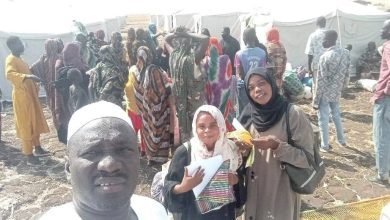
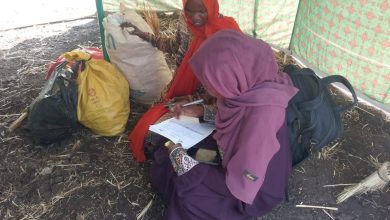
Among the most devastating consequences of the three-year war in Sudan are the spread of hunger and famine, the deaths of hundreds of thousands of people, the destruction of the economy and agriculture, and the displacement of 14 million people.
The IPC estimate of those exposed to hunger was slightly lower than its estimate last autumn, when the number stood at 21.2 million people. However, around 14 areas in the states of North Darfur, South Darfur, and South Kordofan remain at risk of famine, with approximately 135,000 people facing catastrophic levels of hunger.
These areas include the cities of El Fasher and Kadugli, which were classified last year as suffering from famine due to sieges imposed by the Rapid Support Forces (RSF). However, the RSF completed its control over El Fasher last October, leading to the large-scale evacuation of the city, while the Sudanese army broke the siege on Kadugli earlier this year.
Drone warfare now appears to have replaced ground offensives and has become the primary pattern of warfare in Sudan, while fighting continues in the Kordofan region and Blue Nile State.
The United Nations High Commissioner for Human Rights said that drones have killed around 880 civilians there since last January and have targeted civilian infrastructure such as markets, hospitals, and power stations.
The IPC stated in a statement that “hostilities continue, especially around key supply routes such as El-Obeid in North Kordofan, and the possibility of renewed siege-like conditions is increasing the risks.”
The IPC explained that approximately 825,000 children are expected to suffer from acute malnutrition because insecurity, access restrictions, and budget cuts are making it difficult to deliver aid to many areas of the country. Sudan’s rainy season, which usually begins around July and coincides with the agricultural season, is also expected to worsen conditions.
Other areas at risk of famine include parts of North Darfur hosting displaced people from El Fasher, including Tina, Um Baru, and Karnoi, which have witnessed drone attacks as well as clashes amid RSF efforts to consolidate control over the region.
The regional crisis resulting from the American-Israeli war on Iran also threatens to worsen the situation, as rising food, fuel, and fertilizer prices reduce the chances of a successful harvest season later this year.