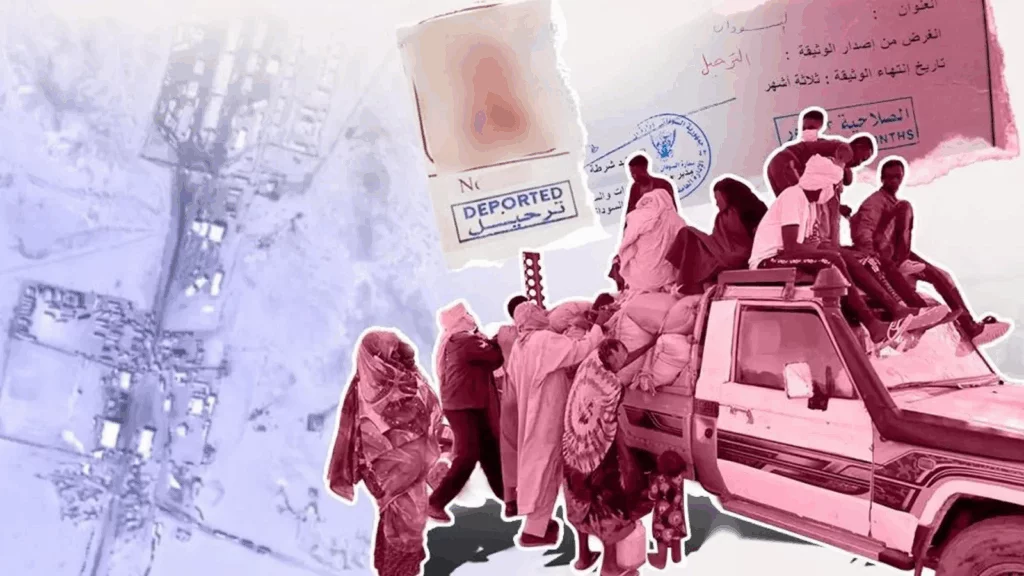
Thousands of Sudanese nationals in Libya are facing increasingly difficult and tragic circumstances amid rising public anger toward migrants, foreigners, and undocumented refugees. The situation has been further exacerbated by growing hate speech and the commencement of deportation procedures targeting hundreds of Sudanese nationals.
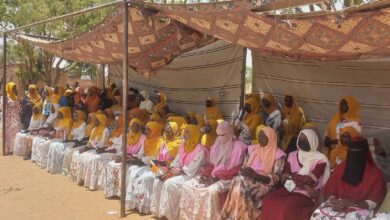
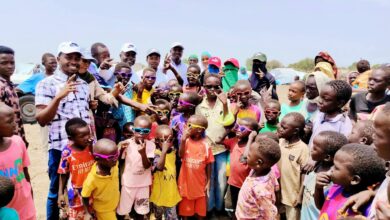
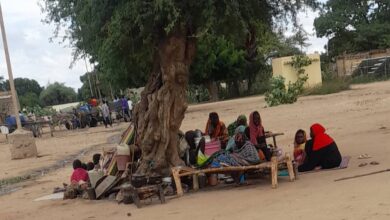
Since the outbreak of war in Sudan, an estimated 650,000 Sudanese have sought refuge in Libya in search of safety, employment opportunities, and access to education for their children, particularly as conditions in Sudan have deteriorated due to the ongoing conflict, the disruption of educational services, and increasing reports of serious human rights violations.
Protests and Calls for Expulsion
Hundreds of Libyans demonstrated on Thursday in front of the headquarters of the United Nations High Commissioner for Refugees (UNHCR) in Tripoli, protesting the presence of foreigners and undocumented migrants in residential neighborhoods and demanding their removal from the country.
Protesters called on Libyan authorities to adopt stricter measures against migrants and refugees residing illegally in Libya, including large-scale security operations to deport those violating residency and labor regulations. They also urged tighter controls along Libya’s southern borders, which continue to witness significant flows of migrants from neighboring African and Arab countries.
Mounting Pressure and Harassment
Speaking to Mashawir, Osman Abu Talib, a resident of Sebha, said that several Libyan cities and regions have witnessed protests and growing hostility toward foreigners and migrants.
“Although thousands of Sudanese have lived in Libya for many years, they are now facing harsh humanitarian conditions, with increasing demands for their expulsion and deportation to Sudan. This has caused significant psychological stress among many Sudanese residents,” he said.
Abu Talib added that the escalation of hate speech targeting Black people has resulted in harassment of Sudanese nationals, while Sudanese children are experiencing widespread bullying in streets, markets, and schools, negatively affecting their mental well-being and willingness to continue their education.
He further reported incidents in which homes belonging to Sudanese families in areas controlled by armed groups were forcibly entered, creating serious risks to the safety of families and children at a time when protection mechanisms and legal support remain largely unavailable.
Arrests and Deportation Fears
For her part, Mariam Al-Khatim, a resident of Tobruk, said that the situation of Sudanese nationals is worsening by the day amid escalating hate speech and growing public hostility in streets and public spaces.
“These are dangerous indicators that could expose many people to assault, detention, and deportation back to Sudan,” she told Mashawir.
According to Al-Khatim, many Sudanese families have remained confined to their homes since anti-refugee sentiment intensified, fearing arrest and forced deportation. She noted that many Sudanese workers have been unable to continue their daily activities, exposing families to hunger and illness.
She also reported that Libyan security authorities conduct daily inspections in public areas to verify residency documents. Individuals unable to produce valid residency permits may face detention, followed by possible deportation proceedings.
“Libyan authorities do not recognize UNHCR-issued refugee cards, meaning that the threat of forced deportation now hangs over thousands of Sudanese refugees,” she added.
Stricter Measures
Meanwhile, an official from Libya’s Anti-Illegal Migration Agency announced the deportation of approximately 300 Sudanese migrants to Sudan.
The official confirmed that deportation operations would continue but did not provide details regarding implementation mechanisms or transportation arrangements.
Videos circulating on social media platforms have shown the detention of hundreds of migrants in the city of Tobruk, the majority of whom reportedly hold Sudanese nationality.