The suffering of residents of El Obeid, the capital of North Kordofan State, and several other areas across the region continues to worsen and take devastating dimensions in many aspects of daily life. This is despite the Sudanese army breaking the siege imposed on the state.
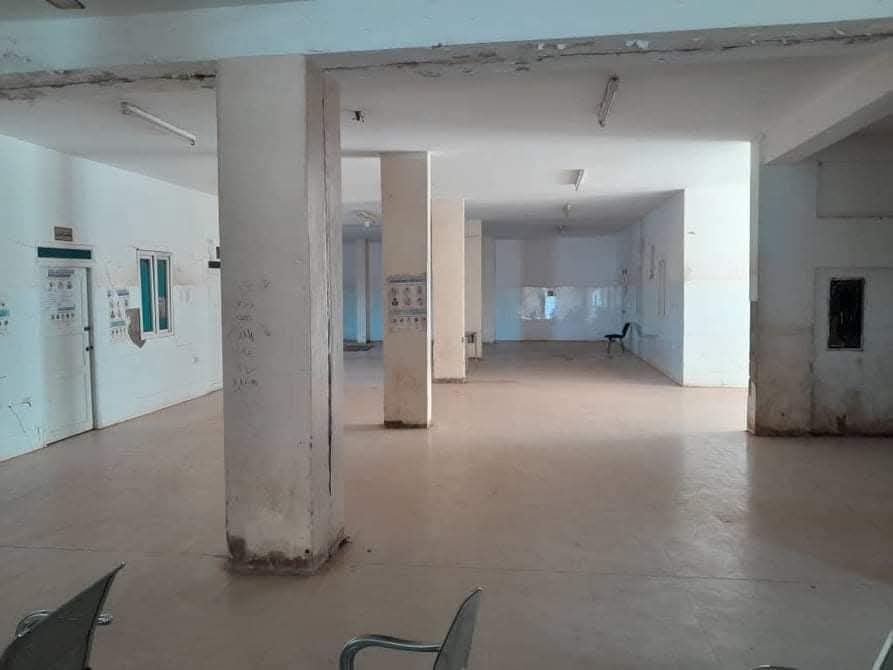
Drone attacks and artillery shelling carried out by the Rapid Support Forces (RSF) against the city last July triggered a catastrophic crisis in medical services at hospitals and health centers. Public and private healthcare facilities in areas and cities that had been controlled by the RSF in North Kordofan for nearly three years were extensively destroyed, vandalized, and looted, after reportedly being used as military barracks.
Several hospitals have ceased operating, along with kidney dialysis centers and emergency departments. Power outages and shortages of medical supplies, blood bags, IV fluids, and painkillers have further exacerbated patients’ suffering to unprecedented levels.
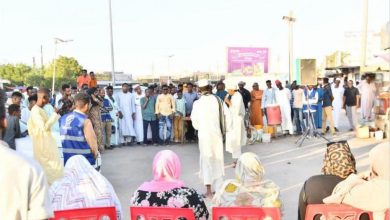
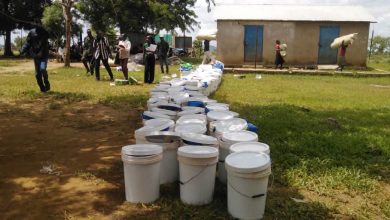
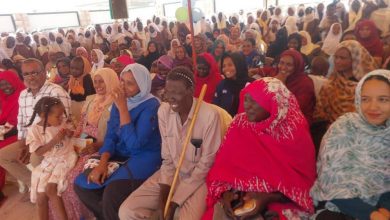
Amid escalating grave violations and horrific crimes against civilians in West and South Kordofan, El Obeid has become a major destination for hundreds of thousands of displaced people fleeing conflict areas including El Nahud, Al Fula, Abu Zabad, Kadugli, Dilling, and Al Dibebat. This has significantly increased the city’s population, originally estimated at around half a million people, while shelters have become severely overcrowded. One camp alone is reportedly hosting around 120,000 people amid worsening difficulties in accessing even the most basic necessities of life.
Ongoing Suffering
In this context, Imad Khalid, who arrived in El Obeid from Al Dibebat, said he spent a week moving between hospitals without finding a medical center or hospital able to treat his father.
“As the days passed, he began fighting the illness in silence and patience until his health deteriorated,” Khalid said.
Speaking to Mashaweer, Khalid added that “most patients who cannot leave El Obeid to seek treatment in hospitals in other states are living through a painful reality, facing the risk of death as a result of the deteriorating health situation and the depletion of medicines following the collapse of the healthcare system, with around 70 percent of hospitals and health centers out of service.”
He continued: “From my observation of some kidney failure patients, they face enormous difficulties obtaining sufficient dialysis sessions because a number of dialysis machines have stopped working. At the same time, the number of patients has increased, forcing them to share the limited number of functioning machines.”
Multiple Risks
Meanwhile, resident Salem Al-Nayer, who is receiving treatment at one of El Obeid’s hospitals, said that “hundreds of patients suffering from cholera have already arrived from West Kordofan to receive treatment, only to find that the health situation in the capital of North Kordofan had itself deteriorated following the drone attacks and artillery shelling carried out by the RSF against the city.”
He noted that “doctors are working under enormous pressure and with limited resources, while patients face the risk of death due to the absence of adequate healthcare. Despite attempts to save critical cases, restoring the health system remains dependent on comprehensive reconstruction.”
Al-Nayer also pointed out that “one of the most dangerous consequences of the deterioration of the healthcare system is the suffering of patients who depend on continuous treatment, including those with diabetes, hypertension, kidney failure, and other chronic diseases. They suddenly find themselves unable to access treatment or follow-up care. In emergencies, the situation is even more dangerous, because delayed or unavailable medical care can become a matter of life or death.”
Rehabilitation Efforts
The North Kordofan State Ministry of Health has begun implementing a 100-day emergency plan aimed at restoring health services in all areas recently brought under army control.
North Kordofan’s acting Minister of Health, Iman Malik, pledged to reopen 12 hospitals and six health centers and combat epidemics by providing pesticides, spraying machines, and equipment for entomological surveys. She also expected residents to return to their areas soon.
Meanwhile, Federal Ministry of Health Undersecretary Ali Babiker Sayed Ahmed pledged to provide the necessary support to North Kordofan’s health sector through mobile clinics and healthcare services delivered by trained medical personnel, in addition to medicines, medical devices, and equipment.
Sayed Ahmed called for coordination with humanitarian organizations to provide services and urged the development of an urgent first-month plan to cover the vast areas recently brought under government control.
Challenges Facing Patients
Dr. Mahmoud Al-Safi, a specialist in epidemic control, said that “the health situation in the Kordofan region is extremely dangerous due to the deterioration of healthcare services, the spread of diseases and epidemics, and the outbreak of cholera as a result of the lack of clean drinking water, particularly after drone attacks caused water stations to stop operating.”
Speaking to Mashaweer, Al-Safi explained that “patients face complex challenges in accessing healthcare due to the closure of more than 12 hospitals and a large number of medical centers across the state.”
He continued: “The North Kordofan Ministry of Health must act urgently to implement the emergency plan in order to prevent the collapse of the health sector. It must also provide medicines, medical devices, and equipment, particularly after the Sudanese army managed to break the region’s siege and regain control of the Export Road linking Khartoum with El Obeid.”