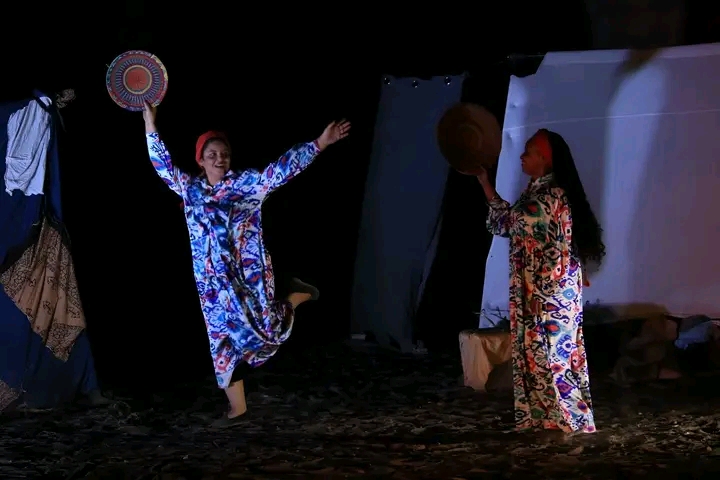
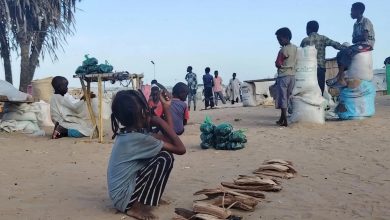
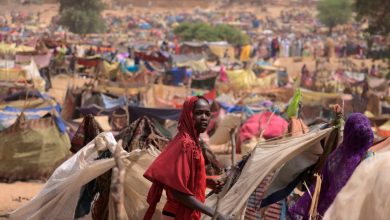
The Sudanese play Forgotten Flowers (Zuhur Mansiya) made a notable appearance at the 19th edition of the “Ashiyat Taqous” Festival in the Jordanian city of Petra, highlighting the impact of the war in Sudan and the resulting displacement, loss, thirst, and suffering endured by civilians.
The play takes place inside a displacement camp, where two women whose lives have been torn apart by war meet. Each carries a different story of loss and suffering. Through their encounter, water becomes a symbol of life and survival, contrasted with the rhetoric of war that places its alleged glory against human life, while reality intertwines with illusion and memory with hallucination.
Theatre critic Samouel Ali told Mashaweer that “Forgotten Flowers takes the experience of war from the battlefields into the everyday lives of civilians, using theatre to reclaim the voices of loss, displacement, and suffering, away from direct rhetoric.”
He added that “choosing a displacement camp as the setting gives the work profound humanitarian significance, while the presence of water, memory, and loss raises questions about the meaning of life and the psychological and social impact left by conflict, extending far beyond the moment when the fighting stops.”
Through condensing human suffering into the stories of its characters, the play poses an open-ended question about what remains of a person after the war ends—when its effects continue to live on in memory and the human conscience.