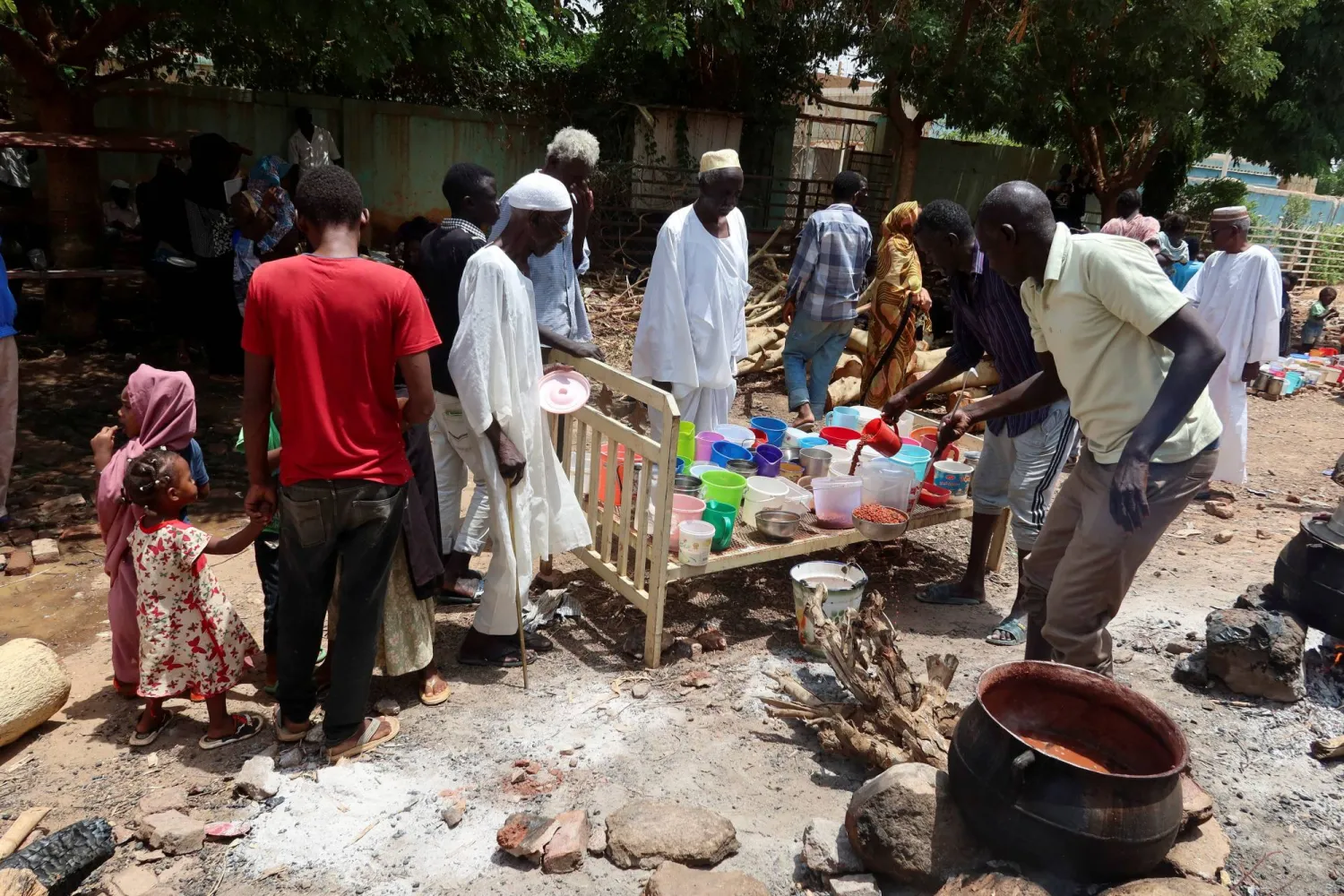
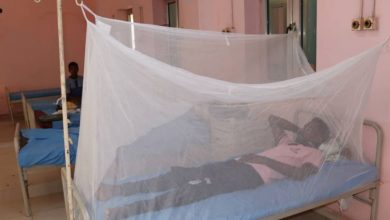
As displacement increases across Sudan due to intensified fighting between the army and the Rapid Support Forces (RSF)—alongside widespread abuses, particularly by RSF elements—emerging markets have begun to form inside camps and host communities in response to daily needs.
Despite limited resources, these markets provide essential goods such as vegetables, bread, and second-hand clothing, along with small income-generating activities run mostly by women. These informal markets have become a key component of displacement economies, reflecting the affected communities’ ability to organize their livelihoods in the absence of traditional economic structures.
Food Vouchers
Fatima Al-Rashid, a vegetable seller in a displacement camp in Port Sudan, says:
“I’ve been selling vegetables and fruits in the local market inside the camp for two months. I rely on daily supplies from nearby farms or on organized donations. Unfortunately, there is no permanent infrastructure, so goods are displayed on the ground or in small temporary tents. Prices change according to daily supply and demand, and most transactions are done in cash or through bartering. Sometimes customers buy using food vouchers provided by organizations, and sometimes families exchange goods directly.”
She adds:
“Business activity depends on several factors, including changing supplies that determine the daily quantity of vegetables and fruits, the volume of sales, and local demand. Only a limited number of families can afford to buy, which forces flexible pricing. The market also organizes itself: vendors share space and control the flow of customers to avoid congestion.”
According to Al-Rashid, market work involves more than just selling:
“It includes simple logistical operations, coordination with suppliers, monitoring daily prices, and offering basic services like providing bags or transport for goods.”
Managing Time
Najla Talib, a displaced woman running a small tea and snack kiosk in a Khartoum camp, explains:
“I manage a daily activity to support my family. I prepare tea and light meals and sell them at specific times of day. Sometimes I buy ingredients from the central market or from local vendors in the camp. But overall, this work requires organizing my time and balancing household and business tasks. Prices depend on people’s purchasing power, and transactions are mainly cash-based or through bartering. I serve all families in the camp without exception.”
She continues:
“My role goes beyond simple selling—it includes managing stock, monitoring resources, controlling daily prices, and calculating profits and losses. The work requires assessing available supplies daily and prioritizing what should be sold first to keep the activity running and avoid shortages.”
Bartering Goods
Another displaced woman, Somaya Adam, who sells second-hand clothes in a Khartoum camp, says:
“I’ve been selling used clothes for over three months. Most items come from humanitarian donations or traders who bring them from abroad.”
She explains:
“Clothes are sorted by type and quality, then displayed for people in the camp. Customers choose based on need and available money. Payment is mostly in cash or small goods in exchange. Prices vary daily according to available quantities and demand. Sometimes entire batches are sold at symbolic prices to needy families.”
Somaya adds that the main challenge is the unstable supply:
“Relying on donations or itinerant traders makes the market unpredictable, so we must plan daily to distribute goods efficiently.”
Interconnected Levels
Ahmed Ayman, a volunteer with a displacement-support organization, notes that “what is happening inside displacement markets is an economic model in itself, relying on local networks for supply and distribution.”
He explains:
“Vendors transport goods from production areas to the market, while organizations provide steady flows of food and essential items to ease pressure on the population. There are attempts to apply exchange systems and organize market spaces to reduce chaos, including daily family lists for distributing vegetables and bread, and monitoring prices of essential goods.”
He adds:
“These markets operate through interconnected levels: flexible pricing based on real demand and supply, distribution and local organizing to prevent congestion, and alternative financial mechanisms such as bartering, vouchers, and sometimes remittances to support purchasing power.”
Ayman concludes:
“The market economy inside camps reflects the displaced community’s ability to adapt and manage limited resources. Activities run through an implicitly organized logistical chain from supplier to consumer, controlling quantities and distributing resources to keep daily operations going.”
Community Cooperation
Gender specialist Laila Al-Qadi says:
“Women in the camps now play a central role in the displacement economy. They work in selling food, drinks, vegetables, and clothes, and they run small shops and daily services. These activities form a semi-structured economic system largely managed by women.”
She explains:
“These women operate through informal mechanisms, organizing the market, coordinating with other vendors, and monitoring resources to sustain activity, while also considering the varying purchasing power of families. Their markets rely on community cooperation and resource-sharing to minimize economic risks and maintain continuity.”
A Full Cycle
Economic researcher Hassan Ishaq says:
“These markets constitute a self-contained informal economy inside the camps. Goods pass through a complex distribution network involving local traders and regular humanitarian donations. Quality control—especially for used clothing—is essential to ensure families can use what they receive.”
He adds:
“Market operations follow specific supply-and-demand dynamics shaped by displaced households’ financial capacity. Coordination with volunteers helps ensure fair distribution of goods.”
According to Ishaq:
“These markets operate like a full economic cycle: supplying goods, sorting them, organizing display, flexible pricing, and distributing items based on needs. This economy reflects the community’s ability to manage scarce resources and organize the market through informal mechanisms, including bartering, vouchers, and coordination between traders and volunteers to keep commerce functioning effectively.”
.