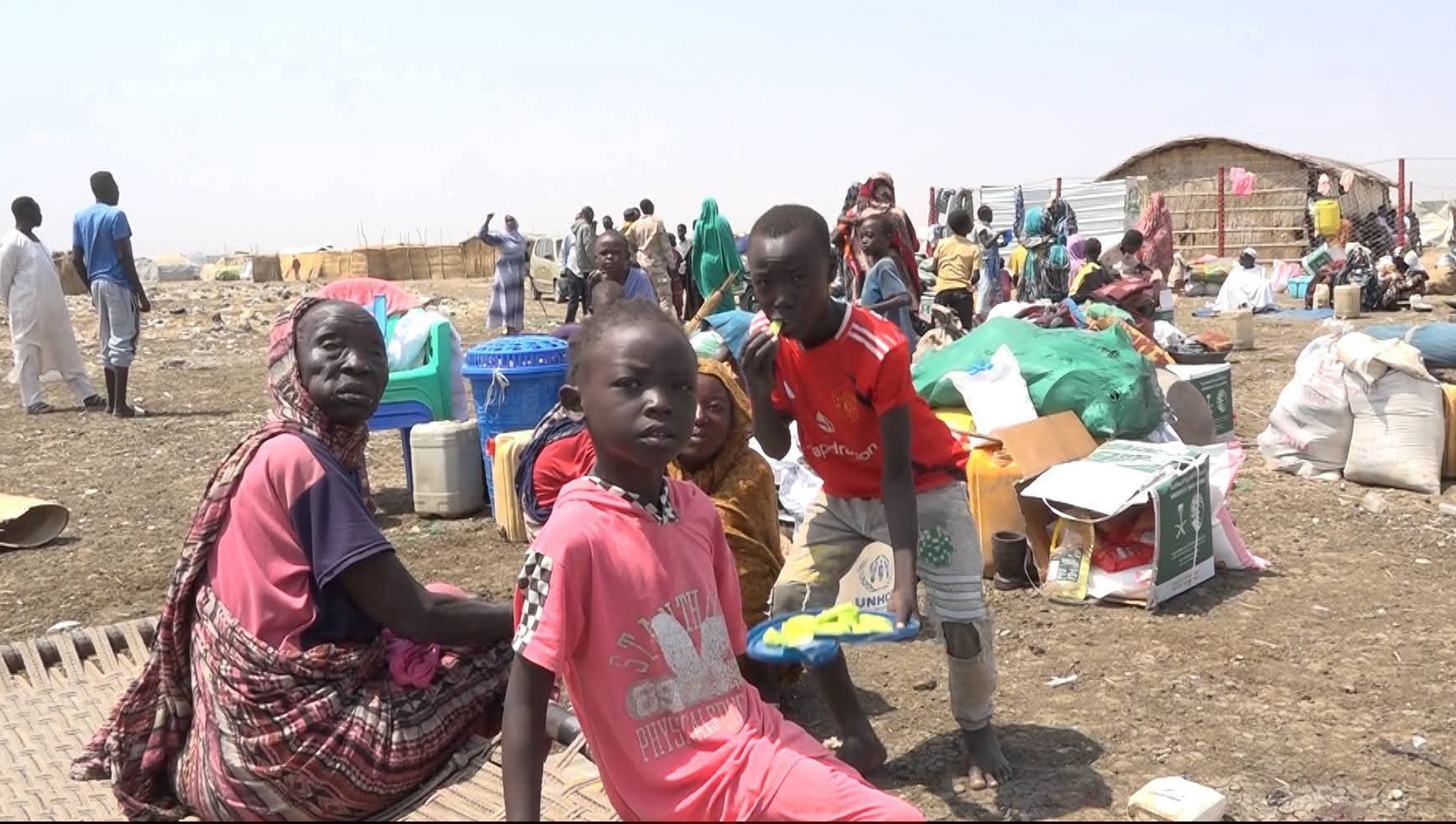
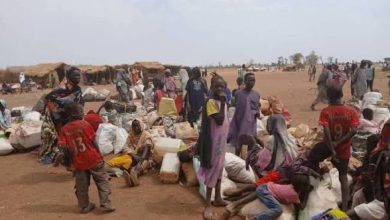
The rapidly escalating displacement crisis in the Blue Nile region presents a complex humanitarian challenge, as successive waves of displacement overlap with the return of people from neighbouring South Sudan.
In a press conference, Humanitarian Aid Commissioner Qisma Abdelkarim Deldoum provided a detailed overview of shelter arrangements and displacement movements across the region. She explained that the region was experiencing extremely sensitive conditions, with growing demand for shelter that respects the dignity and humanity of displaced people.
The commissioner highlighted the diverse waves of displacement in the region, including people displaced by the events of 2023 who arrived from Khartoum and Al Jazirah State, as well as those displaced from western areas of the Blue Nile region, Al-Kurmuk, Geissan and Wad Al-Mahi. They have been joined by returnees from South Sudan, further increasing pressure on displacement camps.
According to the official, Damazin locality hosts 12 camps. The largest include Al-Karama (1), with 1,840 families; Al-Karama (3), with 4,030 families; Al-Karama (5), with 4,814 families; Al-Karama (6), with approximately 4,509 families; and Al-Karama (7), with approximately 4,348 families. Al-Salam Centre accommodates 700 families, while the Agricultural Research Centre hosts 3,913 families.
Meanwhile, camps in the Roseires locality include Ajeeb Al-Mangalk, with 624 families; Nusaiba, with 2,636 families; Al-Juwairiya, with 737 families; and Al-Azaza, with 1,300 families. Smaller camps are also located in the areas of Mek Al-Yousef, Al-Shuhada and Al-Laouta Korum.