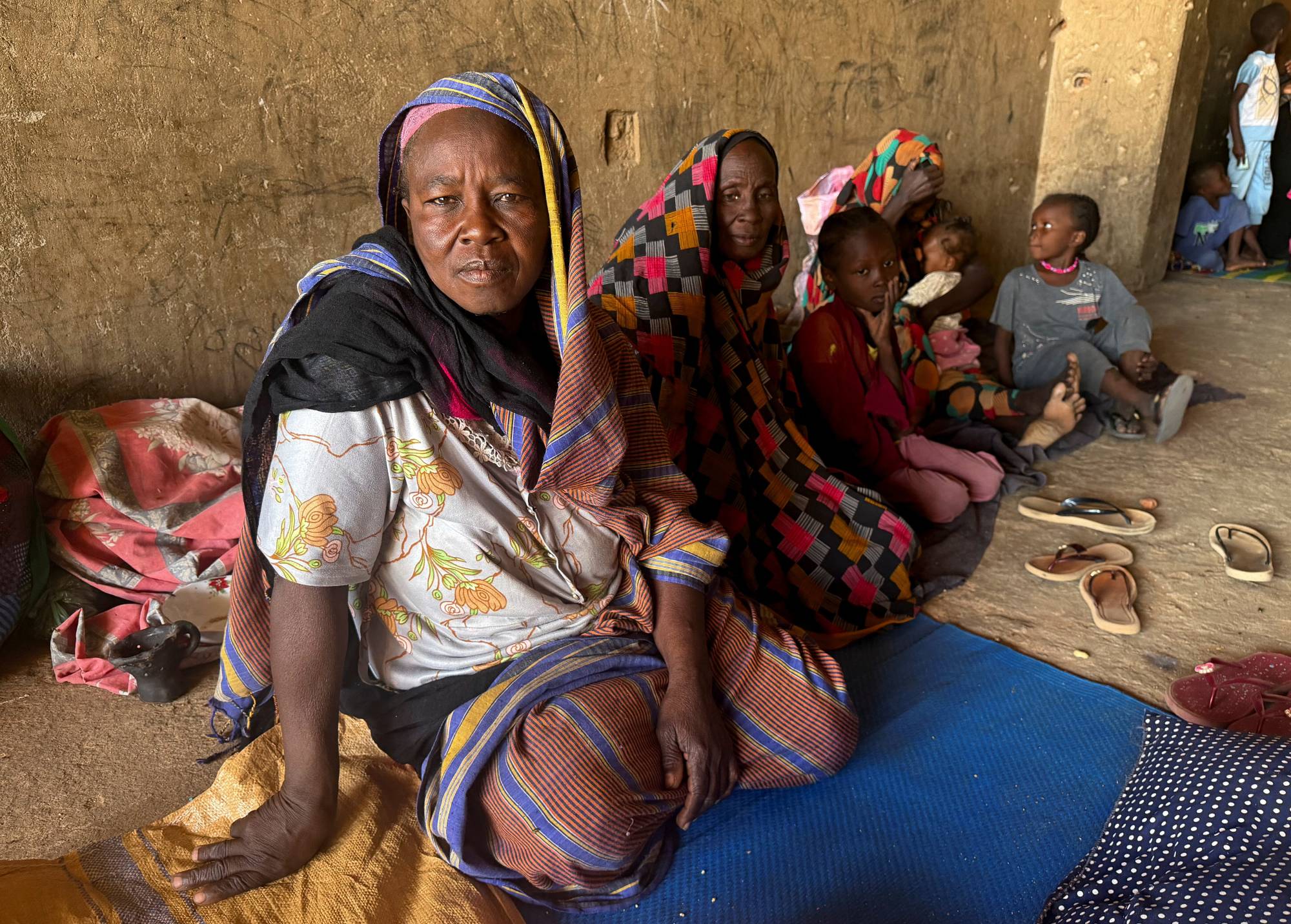
United Nations agencies and local non-governmental organizations have warned of the grave consequences of the widespread use of rape and other forms of sexual violence as a weapon of war in Sudan, particularly on the psychological health of victims.
Since April 2023, Sudan has been engulfed in a brutal conflict between the army and the Rapid Support Forces, resulting in tens of thousands of deaths and the displacement of around 11 million people, alongside a sharp rise in sexual violence.
Tip of the Iceberg
Médecins Sans Frontières (Doctors Without Borders) revealed in a report last month that between January 2024 and November 2025, at least 3,396 survivors of sexual violence—almost all women and girls—sought medical care at facilities supported by the organization in North and South Darfur. The group condemned these crimes, describing them as a “hallmark” of the conflict in Sudan.
The World Health Organization warned that the available figures represent only the “tip of the iceberg.”
Avni Amin, head of the Gender-Based Violence Unit at WHO, said that access to support services after rape is extremely difficult. Speaking at an event held at the United Nations headquarters in Geneva on the urgent humanitarian and health situation in Sudan, she highlighted insecurity, limited access to functioning health facilities, the severe stigma faced by survivors, and the shortage of trained healthcare staff.
She added, “For every woman who speaks out, there are likely eight or nine others who have been raped and will suffer in silence.”
No Safety at All
Neamat Ahmadi of the Darfur Women Action Group described the horrific conditions faced by survivors seeking care after incidents of mass rape, which often result in serious medical complications.
She lamented that even in peacetime, Darfur had only a small number of doctors capable of handling such cases, “and today, they are completely absent.”
She stressed that those who attempt to reach care centers have “no safety at all,” noting that survivors are reluctant to seek treatment in remaining hospitals, as they are often under the control of warring parties.
Ahmadi also described an incident in which fighters from the Rapid Support Forces stormed a hospital in Darfur, assaulting and killing a healthcare worker.
She pointed out that the situation has worsened with the withdrawal of international humanitarian organizations due to insecurity and severe funding cuts, forcing small women-led groups like hers to struggle for resources while “people are dying.”
Suicide or Rape
Shoko Arakaki, Director of Humanitarian Response at the United Nations Population Fund (UNFPA), stressed that it is “absolutely essential” for survivors of sexual violence to receive clinical care within 72 hours.
“But we don’t have services or medicines in Sudan,” she said, emphasizing the urgent need for psychosocial support amid a growing number of victims suffering from severe mental health issues.
Arakaki acknowledged that suicide rates are high. Although official figures are hard to obtain, Ahmadi said she is aware of many women in Al Jazirah State, southeast of Khartoum, who have taken their own lives out of fear of being raped.
Amin emphasized the need to integrate mental health support, warning of “long-term consequences” not only for survivors but also for witnesses of such atrocities.
“We know from other conflicts that the impact is not only long-term but can be passed from one generation to another,” she said. “We must prepare for that.”