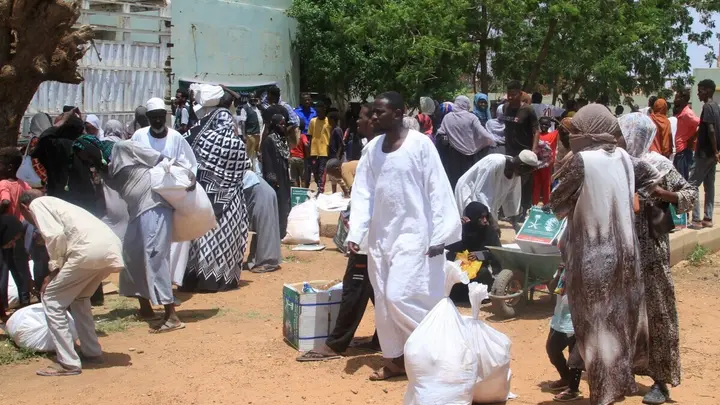
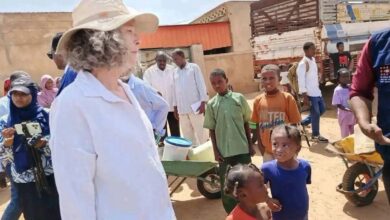
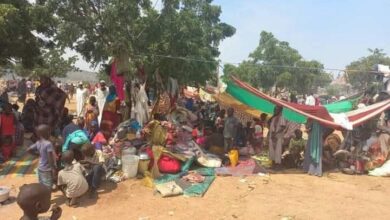
As life gradually returns to the states of Khartoum, Aljazra, and Sennar, along with a degree of stability, millions of Sudanese have begun returning to their homes from areas of displacement and refuge. However, many have been confronted with a harsh reality: hundreds found their homes completely destroyed and looted, while others discovered they were unable to cope amid electricity and water outages and the absence of healthcare services.
Despite the optimism among returnees, major challenges continue to face the authorities due to the scale of destruction, devastation, and looting caused by the war, at a time when officials are racing against time to provide urgent responses and secure a suitable environment for returnees.
The Cost of Return
In this context, Fatima Abdel Nabi, who returned to the Haj Yousif area after months of displacement in Gedaref, said:
“We returned to our homes, but found them completely looted. Even the windows and doors had been stolen, in addition to severe shortages in electricity, water, and healthcare services.”
Speaking to Mashawir platform, she added:
“Thousands want to return to their homes to reduce the suffering of internal displacement, and millions outside Sudan are also hoping for a quick return, especially as their conditions in neighboring African countries continue to worsen.”
Millions Returning
According to data from the International Organization for Migration, around 4.1 million people have returned to their original areas during recent months, reducing the number of internally displaced people to approximately 8.9 million.
Khartoum State received the largest number of returnees, with more than 1.8 million people returning there, while more than 1.1 million returned to aljazera State. Others were distributed across the states of Sennar, Blue Nile, White Nile, North Kordofan, Darfur, River Nile, and Northern State.
Despite this relative improvement, humanitarian conditions remain complex. In several areas, hospitals are operating only partially, schools suffer from shortages of teachers and textbooks, electricity outages continue, and infrastructure remains heavily damaged.
Multiple Crises
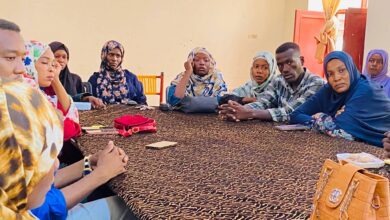
Volunteers in humanitarian response rooms say many returning families exhausted all their savings during displacement, leaving them unable to rehabilitate their homes or secure basic necessities.
Women and girls face even greater hardships, especially in areas lacking essential services. Many struggle to access healthcare or obtain official documents, in addition to limited employment opportunities and growing pressure on resources and services.
For her part, Sarah Mohamed, who returned to Wad Madani, told Mashawir:
“The biggest crisis facing families is the inability to enroll children in schools due to depleted financial savings and the collapse of daily work opportunities, in addition to difficulties in providing treatment for the elderly and people with chronic illnesses.”
Near-Total Lack of Services
In Sennar State and some areas of the aljazera region, markets have gradually begun to recover, and some small businesses have resumed operations. However, high prices and weak purchasing power continue to burden citizens.
Mahdi Ahmed Ali, a refugee who returned from Egypt to Khartoum weeks ago, said:
“Returning was the best option because of the worsening suffering outside Sudan, but the biggest shock was finding our homes destroyed and completely looted, in addition to the near-total collapse of services.”
Urgent Needs
Meanwhile, Asia Ibrahim, who returned from Kassala to Wad Madani, told Mashawir that:
“Millions of families who returned to their homes need significant support in order to achieve stability, especially through job opportunities to meet daily needs, enrolling children in schools, and rehabilitating homes.”
She added:
“The state must provide security services, which are among the most important foundations of stability, along with electricity, water, rehabilitation of hospitals and health centers, and the return of medical staff.”
She continued:
“The authorities must completely remove military presence from cities, because this step would help curb daily lawlessness, as well as looting, theft, and kidnappings carried out by armed groups.”