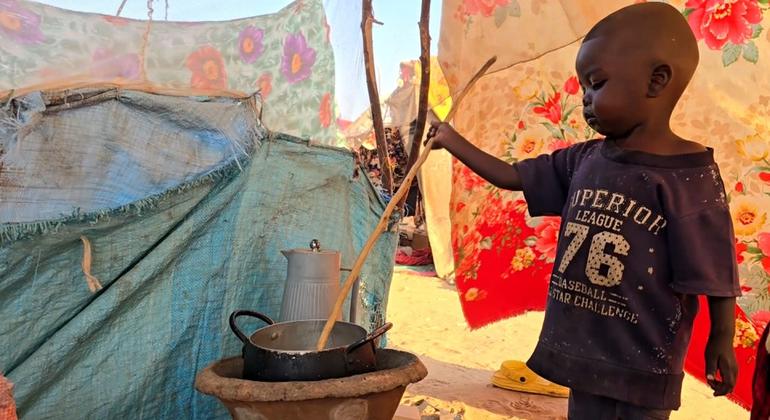
Warnings continue to mount over the catastrophic impact of the ongoing war in Sudan on children, amid a widening range of violations and a deterioration in humanitarian, social, and educational conditions.
Abdul Qadir Abu, Secretary-General of the National Council for Child Welfare, revealed that current statistics indicate that approximately 71% of Sudan’s children are living under significant risk as a result of the continuing conflict, placing the future of an entire generation before unprecedented challenges.
Multiple Risks
Abu explained that the risks facing children are reflected in several alarming phenomena, most notably child labor, which has reached 14%, and child recruitment, estimated at 10%. In addition, children deprived of parental care account for approximately 2%.
He noted that learning loss represents the most serious aspect of the war’s impact, given its direct implications for family cohesion and future social stability.
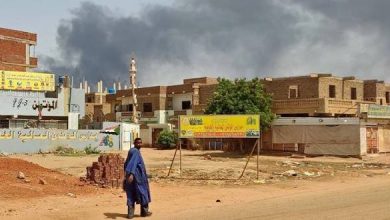
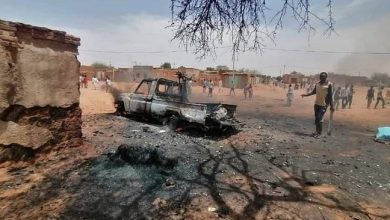
The war that erupted in Sudan in April 2023 has become one of the country’s largest humanitarian crises in recent decades. It has forced millions of people to flee their homes or seek refuge elsewhere, including large numbers of children who have found themselves out of school, deprived of healthcare and basic services, or exposed to exploitation and violence, according to reports by international organizations.
Education Crisis
Speaking to Mashawir, child welfare specialist Intisar Al-Tayeb said that children are often the group most severely affected during armed conflicts, not only because of the direct dangers associated with fighting, but also due to the collapse of education systems, social protection mechanisms, and healthcare services.
She added that in many war-affected areas, schools have either ceased operations or been converted into shelters for displaced people, causing millions of children to miss extended periods of education.
Complex Conditions
Experts warn that prolonged learning loss threatens to create a substantial educational gap whose effects could persist for many years. Interruptions in schooling increase the likelihood of permanent dropout and push many families to send their children into the labor market to help meet basic household needs amid worsening economic conditions.
Child labor has emerged as one of the direct consequences of the current crisis, as thousands of families that have lost their sources of income have been forced to rely on their children to help secure the minimum necessities of life.
Organizations concerned with child protection note that working children are often subjected to exploitation and unsafe conditions, depriving them of their right to education and healthy development.
The recruitment of children during armed conflicts presents another serious challenge that threatens their psychological and social well-being. Young people exploited in military activities are exposed to deep psychological trauma that may last a lifetime, while also being deprived of education and a normal childhood.
Legal Protection
International conventions on children’s rights emphasize the need to protect children from involvement in armed conflicts and criminalize all forms of recruitment and exploitation.
Another consequence of the war has been the rise in the number of children deprived of parental care due to death, disappearance, family separation, displacement, and refugee movements.
These children face extremely difficult circumstances, including risks of homelessness, exploitation, and violence, in addition to the psychological effects of losing family support and a sense of security.
The child welfare specialist believes that the current crisis requires an urgent national and international response focused on returning children to school, providing psychosocial support programs, strengthening social protection networks for affected families, combating child labor, and preventing the recruitment of children into armed conflicts.
A Comprehensive Review Needed
For his part, Abdul Qadir Abu stressed that addressing the impact of war on children requires “a strong push and a comprehensive reassessment,” particularly regarding learning loss, which he described as the most dangerous threat to family and social cohesion.
He added that investing in the protection and education of children constitutes the cornerstone of rebuilding Sudan once the war comes to an end.