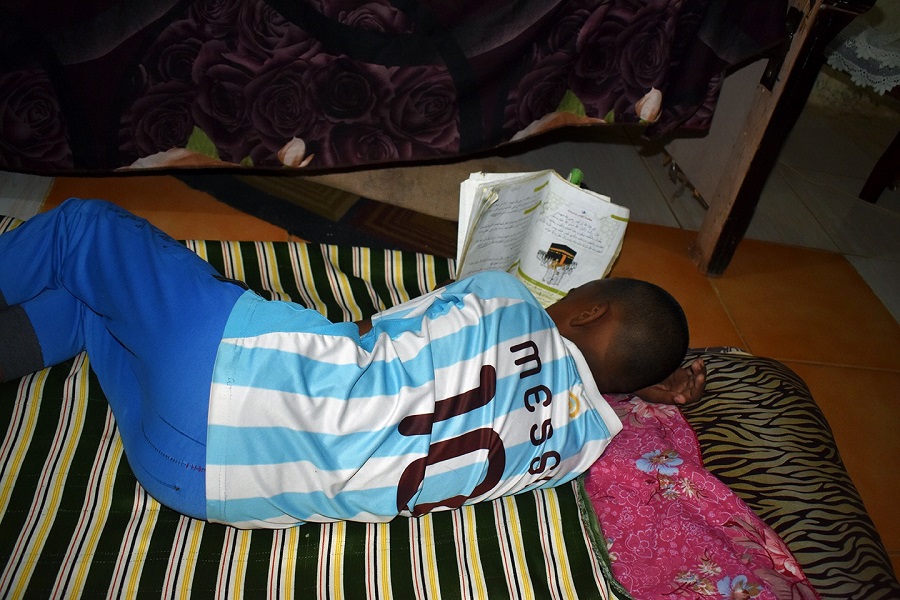
As the 2026 FIFA World Cup, hosted by the United States, Mexico, and Canada from June 11 to July 19, gets underway, Sudanese cities have come alive with football excitement. Millions of passionate fans are following the tournament on giant screens in cafés, viewing clubs, cultural centers, and homes.
Despite the hardships imposed by the ongoing war—including a severe electricity crisis with prolonged power outages and widespread insecurity—millions of Sudanese remain determined to follow the world’s most popular sporting event through television broadcasts and beIN Sports applications on their smartphones. For many, the tournament provides a temporary escape from war, bringing moments of joy, entertainment, and relief from the burdens of daily life.
Millions of Sudanese are also facing the challenge of time differences, which place some matches late at night or in the early hours of the morning. This is particularly difficult given security concerns in many cities and regions during evening hours, as well as nighttime curfews imposed by authorities in several areas.
Free Viewing Initiative
The administration of the Youth and Children’s Palace in Omdurman announced that its cinema hall has been equipped to broadcast World Cup matches free of charge to the public on giant screens and in high quality. The initiative comes in response to directives from Sudan’s Ministry of Youth and Sports, which launched a program aimed at providing free access to matches while creating a safe and welcoming atmosphere for young people. The initiative also seeks to ensure that youth can follow major international sporting events without financial burden.
The administration noted that the move is part of broader efforts to encourage youth engagement in sports and cultural activities, promote community interaction, and provide recreational opportunities at a time when Sudan faces significant economic and living challenges, making such initiatives an important outlet for young people.
The Passion of the Cafés
Mohammed Al-Badri, a resident of the Arkawit district in Khartoum, said Sudanese fans have long preferred watching World Cup matches collectively in cafés, viewing clubs, and restaurants because watching at home lacks the excitement, festive atmosphere, and enthusiastic cheering that accompany group viewing.
He added that owners of viewing clubs in Khartoum secured permits for public screenings and invested in solar panels and diesel generators to overcome electricity shortages. These efforts helped attract hundreds of spectators to watch the opening match between South Africa and Mexico.
Al-Badri explained that cafés and viewing clubs have become the preferred option for most fans due to the high cost of subscribing to beIN Sports packages, which range between 660,000 Sudanese pounds (approximately $150) and 880,000 pounds (around $200).
Millions Left Out
Nader Faisal, a resident of El Obeid, the capital of North Kordofan State, said many residents have turned to viewing clubs and cafés to watch World Cup matches because these venues provide reliable electricity and access to channels holding exclusive broadcasting rights, attracting thousands of spectators.
He pointed out that the war has deprived hundreds of thousands of Sudanese of the opportunity to follow the world’s most popular sporting event for the first time, particularly displaced people living in shelters and residents of conflict-affected areas where basic services are unavailable.
Faisal also noted that time differences will cause many matches to be broadcast late at night or before dawn, preventing many Sudanese from watching important games featuring top national teams and star players.
“Viewing options will be limited, especially for employees who begin work early in the morning,” he said. “For many, the only practical solution will be to follow highlights and results the next day.”
Supporting Creatives
Meanwhile, the Global Space Center for Culture and Media in Omdurman announced that it has installed giant screens to broadcast World Cup matches free of charge for Sudanese journalists, media professionals, and artists, with support from local authorities.
Sudanese journalist Salah Habib said the government has paid considerable attention to the tournament despite the country’s difficult circumstances, launching several initiatives aimed at reducing financial pressures on citizens by providing free World Cup viewing opportunities.
“The World Cup is a global event that comes only once every four years,” he said. “Authorities donated a giant screen to the Global Space Center for Culture and Media to provide journalists, media workers, and creators in drama, theater, arts, and poetry with free access to matches. Citizens can also benefit from free viewing opportunities at the center.”
Habib emphasized that these free viewing initiatives in Khartoum represent a message of hope and social solidarity, helping revive a sense of community while creating safe spaces for recreation and social interaction amid the extraordinary challenges imposed by war.
The World Cup in Darfur
Salem Hamza, a resident of El Daein, the capital of East Darfur State, said thousands of football enthusiasts across the region prepared well in advance by obtaining solar panels and fuel generators and renewing subscriptions to channels broadcasting World Cup matches.
He noted that dozens of viewing clubs operate throughout cities and towns, while many people also watch matches at home despite late-night kickoff times. Hundreds have adjusted their daily routines to accommodate the tournament schedule.
Hamza pointed out that the competition features some of the world’s most prominent football stars, including Lionel Messi, Cristiano Ronaldo, Kylian Mbappé, Lamine Yamal, and Brazilian stars Vinícius Júnior and Raphinha.
“The global football spectacle is worth sacrificing time and reorganizing daily schedules around the match calendar,” he said.
Hamza expressed regret that millions of displaced people and residents of conflict zones will be unable to follow the tournament this year. He called on international organizations and state governments to launch an urgent initiative providing solar panels, fuel generators, and giant screens so that millions can watch World Cup matches and experience a different message from the realities of war and displacement.