Although millions of archival records and historical documents have been spared from fire and direct destruction for more than two years, Sudan’s National Records Office in Khartoum continues to face serious threats. Heavy rains, flash floods, strong winds, sand, and dust now endanger nearly 30 million documents covering Sudan’s political, economic, social, and cultural history.
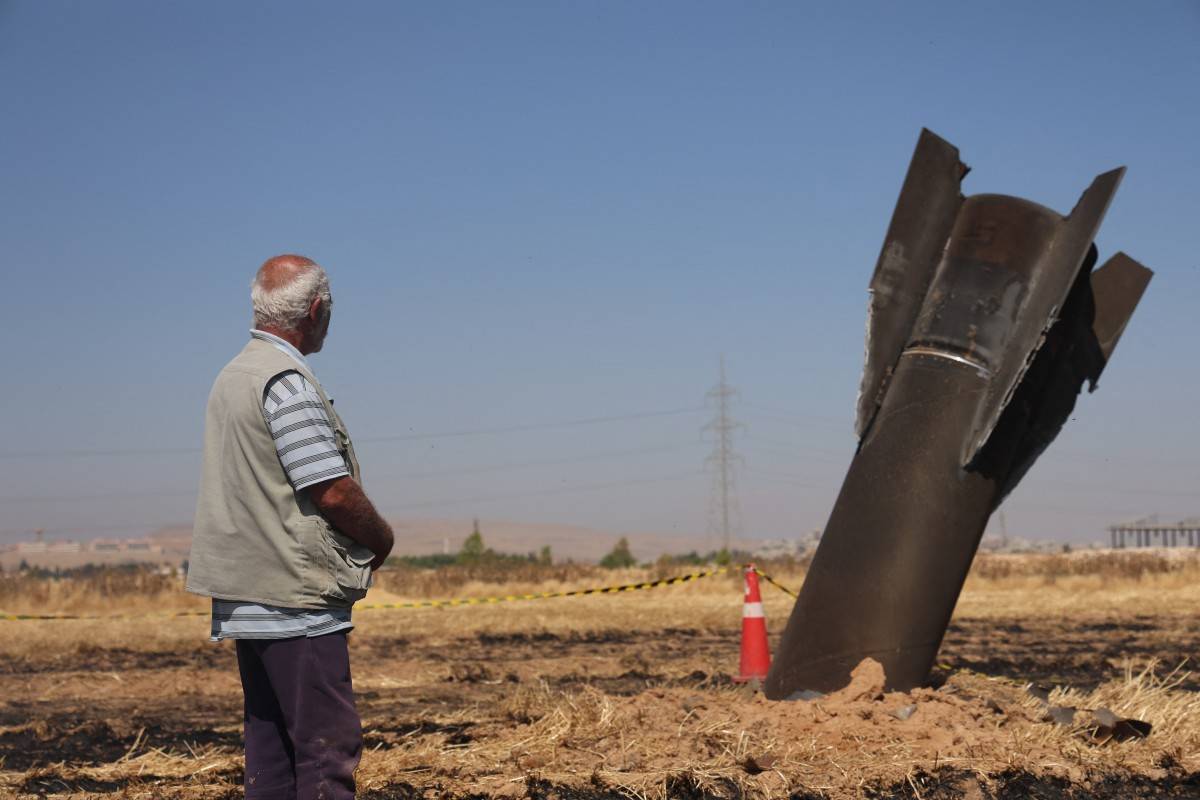
The building, located near the Khartoum Military Area, sustained damage to its southern entrance and the adjacent training facility. Another section of the complex, separate from the main archive repository, was also damaged. Powerful explosions shattered windows on the upper floors of the archive building and caused fires and destruction to parts of its structures.
Environmental Risks and Emergency Measures
Director-General of the National Records Office, Najwa Mahmoud, said the archival collections face the risk of deterioration or permanent loss due to environmental factors, particularly the oldest manuscripts, as the main building was damaged during the war.
She stressed that continuing to store millions of national records in a vandalized facility poses a serious threat to Sudan’s documentary heritage.
Mahmoud added that the current headquarters was specifically designed to meet international standards for preserving historical records and archives. She called for an urgent rehabilitation plan and immediate conservation measures to safeguard Sudan’s documentary heritage.
She also ruled out relocating the archive at present, explaining that no alternative facility meets the required technical specifications and that transferring more than 30 million documents would require specialized personnel and a carefully coordinated plan to protect Sudan’s historical memory.
Structural Damage and Preservation Challenges
Former head of the Documentation and Archives Centre, Jamal Suleiman, said the main building came under indiscriminate shelling during the early months of the war, causing dangerous cracks in ceilings, windows, and storage rooms.
He warned that some sections can no longer withstand strong winds or heavy rainfall, creating the possibility that millions of documents could be damaged or destroyed if floodwaters enter the repository.
Suleiman added that the archive buildings and manuscript storage facilities are no longer suitable for preservation because of artillery and aerial bombardment. He also highlighted a severe shortage of preservation equipment and supplies, especially with the onset of the rainy season and the accumulation of standing water.
He explained that rainwater leaking into storage areas damages rare manuscripts and documents while increasing humidity, threatening the irreversible loss of an irreplaceable part of Sudan’s historical memory.
Strong winds, he noted, allow dust and water to enter storage rooms, increase the risk of structural collapse in already weakened facilities, and further damage both archival materials and preservation equipment.
Calls for an Urgent Protection Plan
Archive specialist Khalid Ramadan warned that millions of archival items remain at risk of deterioration and loss, particularly during the rainy season, as the administration has been unable to rehabilitate the damaged building after the conflict.
He emphasized the need for an emergency plan that includes restoring the headquarters, installing modern temperature and humidity control systems, strengthening disaster protection measures, and accelerating the digitization of important records to ensure secure electronic backups.
Ramadan stressed that losing the archive would represent an irreplaceable national loss because most of the documents exist in no other copies. He urged the government to provide immediate support to enable the institution to address the crisis.
A Scientific Vision for Preservation
Academic and manuscript specialist Moatasim Al-Suwaim said the National Records Office houses around 80,000 historical documents covering the periods of the Funj and Fur Sultanates, the Mahdist State, the Anglo-Egyptian administration, and the Presidential Palace. It also preserves extensive records of Sudan’s legislative institutions, from the Advisory Council for Northern Sudan to the country’s most recent National Assembly.
He said this vast archive, numbering in the millions, requires a scientific preservation strategy to protect it from damage and loss.
Al-Suwaim also highlighted the institution’s extensive newspaper archive and other collections representing Sudan’s cultural heritage and collective memory, stressing the need to intensify preservation efforts.
He concluded that the National Records Office is far more than a repository of historical documents—it is a living symbol of Sudan’s national memory.
About the National Records Office
Sudan’s National Records Office was established in 1916 and is considered one of the oldest archival institutions in the Arab world and Africa.
Over more than a century, it has played a central role in preserving Sudan’s history by collecting government records, local publications, and newspaper archives. Today, it safeguards approximately 30 million documents organized into hundreds of collections reflecting the country’s cultural and social diversity across different historical periods.
The Sudan National Records Office ranks as the third-oldest archival institution in the Arab world, after the Tunisian National Archives and the Egyptian National Archives.