African Religious Leaders’ Council Calls for an End to Sudan’s War and Protection of Civilians
Nairobi – Siddig Al-Dukhri
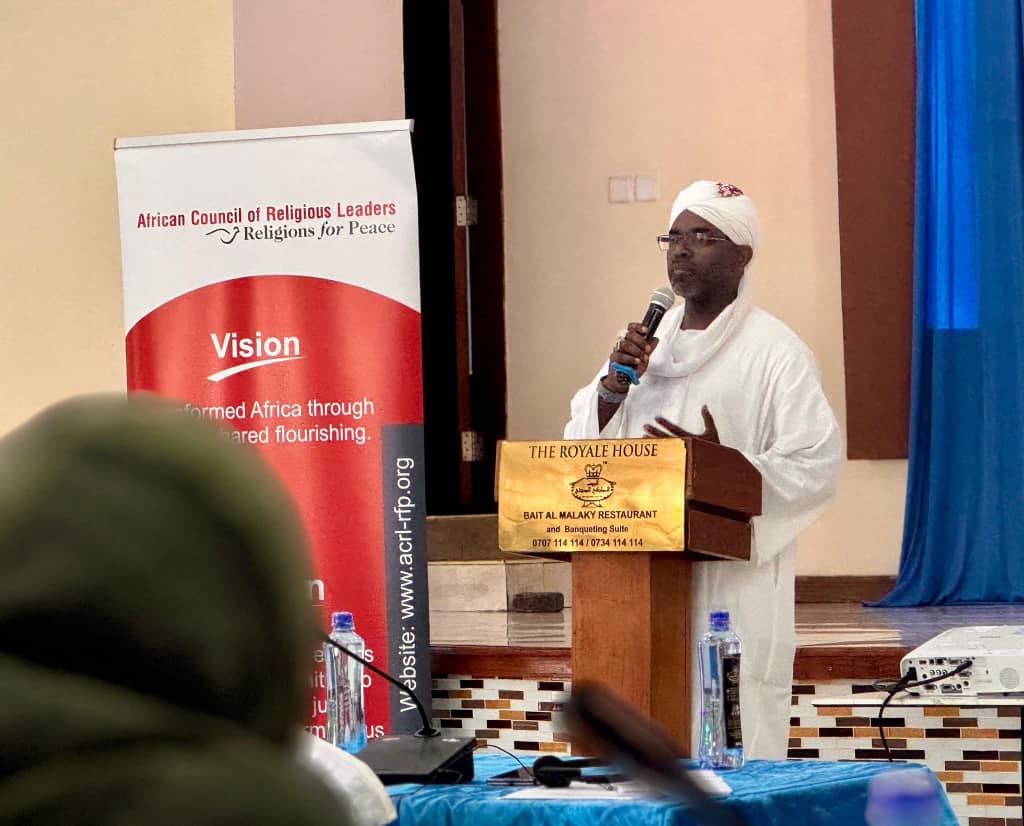
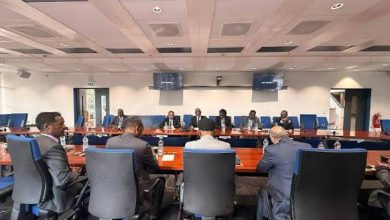
African clerics have stepped onto the scene to mobilize faith communities to help end the war in Sudan. Coinciding with the International Day of Peace, the African Council of Religious Leaders (Religions for Peace), in cooperation with the Moderation Organization for Dialogue, Peacebuilding, and Countering Extremism, held a solidarity event with the Sudanese people. More than 100 religious and civil institutions from across Africa issued a united call from Nairobi, Kenya, to stop the war in Sudan.
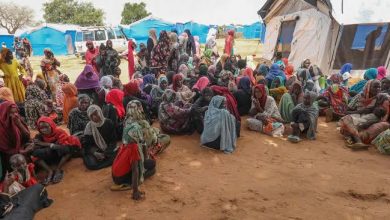
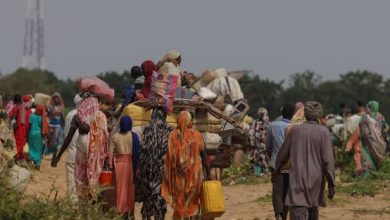
Religious leaders described Sudan’s war as “an open wound in the body of Africa.” They called for peace and stability in Sudan through prayers, masses, and supplications, as well as by sending messages urging an end to the war and the suffering of Sudanese civilians caused by the armed conflict, now entering its third year.
They affirmed that Africa’s spiritual and civic conscience rejects the continued bloodshed and calls for comprehensive peace and inclusive justice.
Peace as a Priority
In this context, the special envoy of the Intergovernmental Authority on Development (IGAD), Lawrence Loriandi, said: “The organization views the Sudanese crisis as a direct threat to regional stability,” stressing that continued fighting worsens the humanitarian situation and undermines development prospects.
He explained that IGAD’s support for the Quartet Statement stems from the conviction that there is no military solution to the crisis, and that returning to dialogue is the only viable option.
Key Messages
One pastor remarked: “There is no meaning in celebrating the Day of Peace while Sudanese children sleep to the sound of gunfire. Our message is that the parties must lay down their arms.”
An imam emphasized that Islam commands the preservation of life, citing Quranic verses calling for the rejection of strife and bloodshed. He stressed that those obstructing the path to peace bear responsibility for the blood being spilled.
Civil Society and Voices of Change
Civil society representatives underscored the need for grassroots voices to be included in the political process, stressing that peace will not succeed unless it is built on justice and accountability.
A women’s rights activist noted that women in Sudan are the most affected by the war, but also the most prepared to work for peace. Youth representatives insisted that new generations will not accept a fragile peace that reproduces the crisis.
A Defining Challenge
The closing statement, issued by the African Council of Religious Leaders (Religions for Peace) and the Moderation Organization for Dialogue, Peacebuilding, and Countering Extremism, stressed that Sudan is no longer merely a national crisis but a defining challenge for the entire continent—an historic opportunity to rebuild peace from the roots in a country long plagued by conflicts, wars, and political upheaval.
The participants called for an immediate and comprehensive ceasefire, protection of civilians, and unhindered humanitarian access, alongside the launch of an inclusive political process representing all components of the Sudanese people committed to freedom, peace, and justice.
They affirmed the unity of Sudan—land and people—while condemning the escalation of hate speech and media disinformation. The statement urged journalists, activists, and civil society organizations to raise their voices for truth and peace, praising the courage of reporters and activists who continue to highlight civilians’ suffering despite immense challenges.
The statement emphasized that genuine peace cannot be imposed from above but must be built from the ground up, calling for the participation of youth and women at every stage of negotiations.
International Coordination
It also called for regional coordination led by religious institutions in cooperation with IGAD and the African Union to halt the bloodshed and alleviate the suffering of millions of Sudanese.
The participants concluded by renewing their commitment to be a voice of peace, unity, and social cohesion—a bridge of solidarity and a platform for love. They pledged to remain the voice of peace and compassion on the continent, for the sake of Sudan.