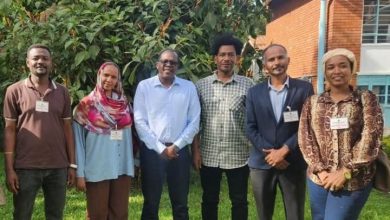
Dr. Osman Ali Haj El-Amin, Dean of the Faculty of Science at the University of Khartoum, stated: “We have lost thousands of mummified animals, birds, and reptiles that were over 150 years old.”
He added: “It is likely that the live animals were stolen or looted rather than having died,” noting that “we found no traces of remains or skeletons of those animals in the museum.”
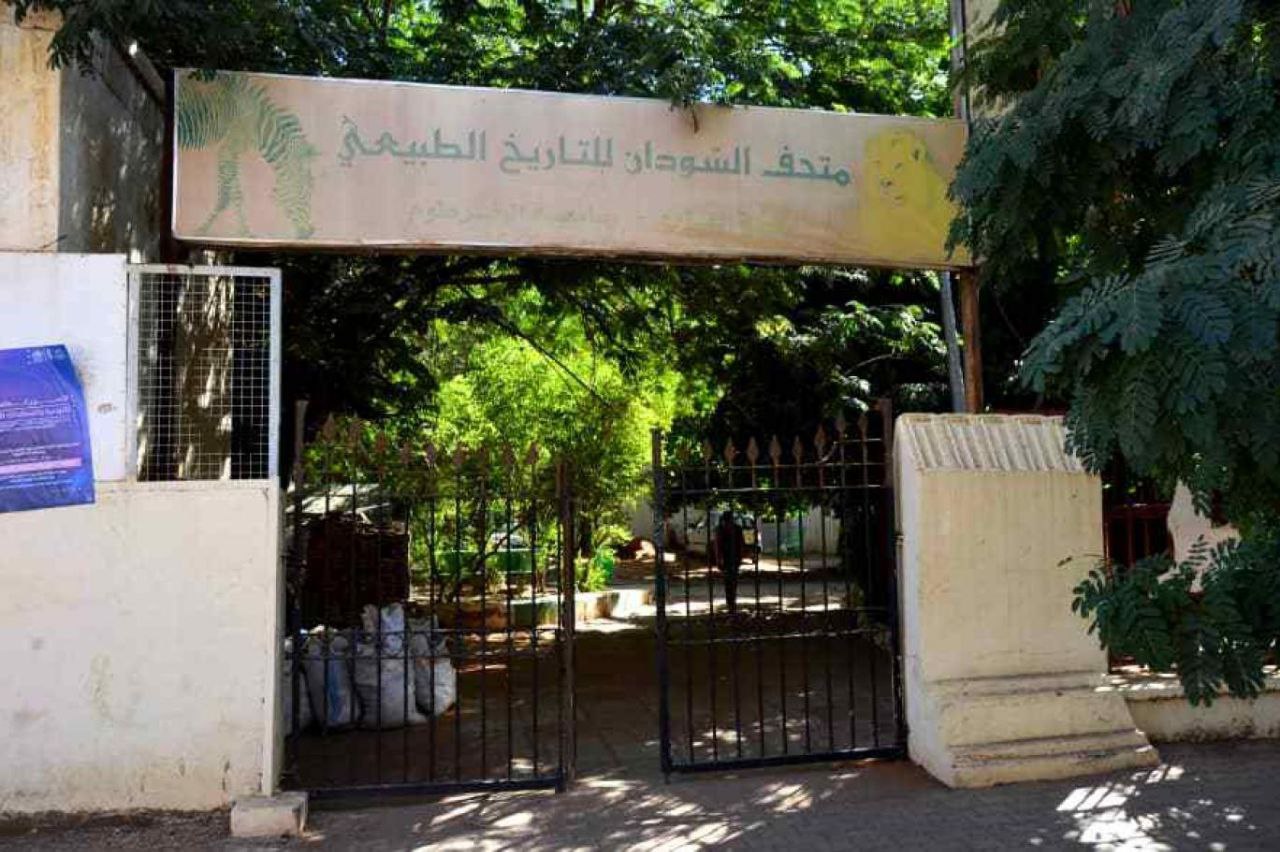
El-Amin could not hold back his tears while speaking to Asharq Al-Awsat about the massive scale of destruction that has hit one of the oldest natural history museums in the country and the world.
He said: “We lost about 2,000 mummified animal specimens, along with more than 600 other endangered reference specimens that were on display, and nearly all geological records of animal, plant, and rock fossils.”
He continued: “The greatest loss, however, was about 100 species representing all families of animals, birds, and reptiles that had been cared for and preserved for decades.”
Among these were irreplaceable fossil specimens of bird species collected between 1885 and 1945, in addition to the Kordofan giraffe, which is an endangered species.
During the war, the museum also lost its oldest resident crocodile, which had lived there for many years and been cared for since it was an egg. This is in addition to many reptiles, including venomous snakes and scorpions, and a Nile monitor lizard. A mummified lioness was found and transferred to the Faculty of Veterinary Medicine at the University of Khartoum.