They could do nothing but stand helplessly as militia fighters opened fire on their loved ones and killed them. They themselves were captives, beaten, stripped of their phones, and robbed of the savings they had spent their lives collecting. The fighters did not even leave them their shoes.
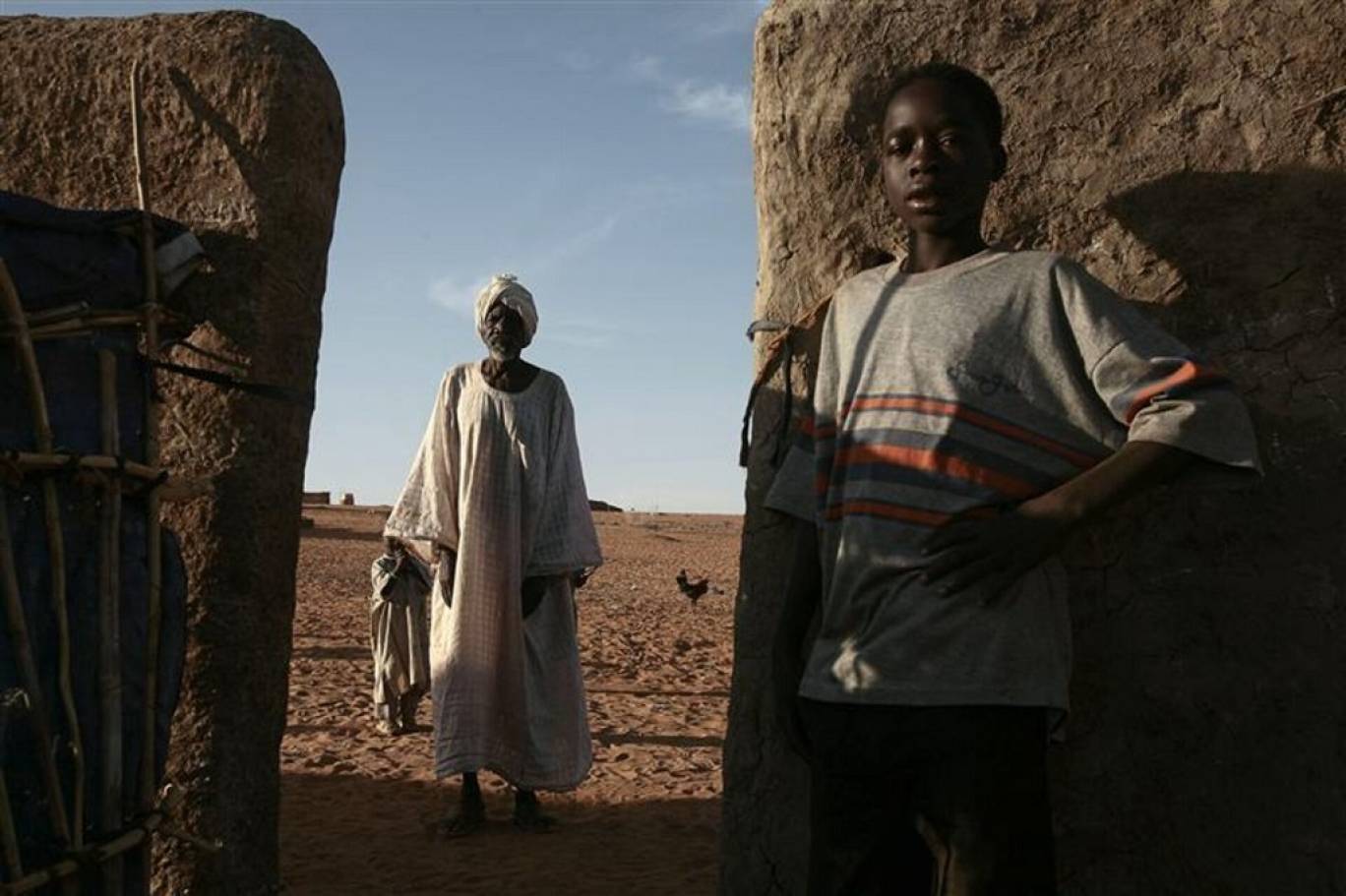
In early November 2025, survivors of a three-day assault carried out by paramilitary forces in western Sudan began arriving in the desert town of Tina on the Chad-Sudan border. There, a team of Reuters journalists spoke with some of the survivors about the atrocities they say were committed against them as they fled the control of the Rapid Support Forces (RSF) in El Fasher, a major city in Sudan’s Darfur region.
The city, once home to around one million people, had suffered famine and remained under siege for 18 months before the RSF assault finally began on October 25.
The RSF did not respond to questions regarding the conduct of its forces during the attack, actions which the United Nations said bore “hallmarks of genocide.” On October 29, RSF commander Mohamed Hamdan Dagalo stated that any fighter or officer who committed a crime would be arrested, investigated, and the results announced.
Tens of thousands of civilians fled across the desert, many arriving at a refugee center in Tina suffering severe hunger. Some had gunshot wounds, while others had deep scars on their feet from walking barefoot for days. Many were also severely traumatized and unable to fully describe what they had witnessed.
But the accounts they shared, which formed part of a Reuters documentary on the RSF assault on the city, painted a horrifying picture of despair and violence. Reuters independently verified the survivors’ testimonies, except for some details.
The Story of Mohamed Adam
Mohamed Adam was trying to flee the city on the morning of October 26 when a drone strike hit the house where he had been sheltering, killing his wife, Siham. Shrapnel lodged in his chest and eye, and he had no time to bury her before being forced to flee.
Adam said he saw dozens of bodies along the road as he ran, changing direction several times to avoid drones hovering overhead and groups of paramilitary fighters. The RSF had dug a 57-kilometer trench around the city, and he said he saw the bodies of men, women, and children inside it who had been shot by RSF fighters.
“No one asked who we were. They simply shot at us,” Adam said while recounting his escape.
“The road we took had no mercy in it. Everywhere there was death and bodies.”
He walked for several days with his brother, who limped with the aid of a crutch after suffering a broken leg and shattered kneecap, before Adam hired camels to transport them to the Chadian border.
His wife Siham had been a member of parliament in Khartoum and a humanitarian activist supporting widows, orphans, and displaced Sudanese in Zamzam refugee camp and other camps around El Fasher. He said she had continued distributing food aid at the Saudi Hospital until the Friday before her death.
Siham’s death was still so recent that her husband continued speaking about her in the present tense.
“She is my wife. I cannot explain everything because of the pain I feel,” he said.
“We seek peace in our country. We do not need anything else. I have nothing left. I lost hope, and I lost my family.”
“I lost hope a long time ago,” he added.
The Story of Safaa Zakaria
Safaa was born and raised in El Fasher alongside her siblings. She said her family suffered greatly during the 18-month siege imposed by the RSF, to the point where they survived on animal feed.
“There was no food or water. If you went out looking for water, drones would kill you,” she said.
She added that the final assault by paramilitary forces began at 3 a.m. on October 26 with heavy artillery shelling and drone strikes “until the entire sky over the city was on fire.”
Safaa and her family decided to flee. During the escape, she said an RSF gunman held one of her brothers hostage, while another fighter shot dead two of her sisters’ husbands.
In a video shown to her by a Reuters reporter, Safaa identified the commander responsible for the killings as RSF Brigadier General Al-Fateh Abdullah Idris, known as Abu Lulu. The commander has become a symbol of the human rights abuses attributed to the RSF.
Reuters reviewed hundreds of videos filmed and posted online by RSF fighters during the assault. Abu Lulu appeared in four of those videos killing 15 unarmed civilians.
Shortly after the attack, the RSF released a video showing Abu Lulu under arrest and placed in a cell inside Shalla Prison south of El Fasher.
Thirteen sources told Reuters that he has since been released, while nine said he had returned to field operations. The RSF denies this, saying he remains imprisoned and will stand trial over the allegations against him.
Safaa continued fleeing on foot with her infant son, who was only two and a half months old at the time. She said RSF members stopped her several times, beat her, and that she witnessed many people dying on the road to Chad.
“We left their bodies on the road because we could not carry them. We suffered horrors beyond description. What we went through in El Fasher cannot be described,” she said.
The Account of Mona Mohamed
Mona Mohamed was around nine years old when war erupted in Darfur in 2003, scattering her family and eventually forcing them into a displacement camp in South Darfur.
She later married and moved to another part of Sudan. After studying English at the University of Al-Neelain in Khartoum, she graduated and built a new life. But when war erupted again in April 2023, she returned to Darfur and later settled in El Fasher.
After six months of aerial bombardment on the city, a shell destroyed her home and killed everyone living in the neighboring house. She fled with her two young children to Chad, where she began working at the Iridimi refugee camp.
“We left our father and the rest of the family behind,” Mona said.
Before she fled, her brother Bakhit Mirsal had been helping her and her small family, bringing books for her children and trying to distract them from the war by taking them to different places.
“He gave us all the support he could so we would not feel the weight of the war,” she explained.
After the RSF seized El Fasher in October 2025, Mona saw her brother in a video circulating online and through WhatsApp groups, bleeding and in the final moments of his life.
That was how she learned of his death.
“He remained there alone. The last thing we received of him was that video,” she said.