Sudan is witnessing a sharp and unprecedented expansion in multidimensional poverty as a result of the ongoing conflict between the Sudanese Armed Forces and the Rapid Support Forces (RSF), which has now entered its third and a half year. Official and United Nations data and statistical surveys for 2026 indicate that the poverty rate has reached approximately 82.8 per cent of the population. This deterioration is not limited to income shortages but also extends to deprivation of essential services, including healthcare, education, food security, and access to safe drinking water.
The majority of Sudanese people have lost their jobs, businesses, and livelihoods in both rural and urban areas as a result of the war. Consequently, many have become dependent on remittances from relatives abroad and humanitarian assistance, while their ability to withstand the deteriorating economic conditions has continued to erode. A number of households have been forced to adopt negative coping mechanisms, including reducing the number of daily meals, consuming lower-quality food, selling assets, resorting to child labour, and marrying off underage girls.
To address this growing threat, the government is planning to activate the social protection system, focusing on sustainable economic empowerment and the provision of essential services to the most vulnerable groups.
Economic Empowerment
In this context, Minister of Human Resources and Social Welfare Moatasem Ahmed Saleh said that Sudan is moving towards transforming social protection into an instrument for reducing poverty. He revealed a plan to provide 22,000 small-scale projects to help households establish sustainable sources of income.
In November 2025, the ministry announced that the poverty rate had risen from 21 per cent to 71 per cent as a result of the war, while approximately 24 million people were living below the poverty line defined by the World Bank at US$3 per person per day. According to official statistics, the rate subsequently increased to 73 per cent by June this year.
Saleh announced a partnership between the Social Security, Solidarity and Poverty Reduction Commission, the Zakat Chamber, and the Savings Bank, aimed at providing stable sources of income for citizens in 11 states.
He noted that the war had exacerbated poverty and vulnerability due to displacement, loss of income sources, and the disruption of economic activities and essential services. He called for a shift from providing aid towards economic empowerment and the establishment of an integrated social protection system.
The Minister of Human Resources added that tackling poverty in Sudan goes beyond improving economic indicators to restoring livelihoods and empowering citizens to work, produce, and become self-reliant.
A Deepening Crisis
Humanitarian volunteer Ahmed Abdelrahman said that poverty in Sudan is spreading as the war between the Sudanese Armed Forces and the RSF continues.
“The long queues of citizens outside charitable kitchens and their search for places where food is prepared and distributed (takayas) reflect the dire living conditions in Khartoum and displacement areas, particularly in Darfur and South Kordofan. These are areas where people have lost their sense of security and are facing severe food shortages. Many have become trapped between hunger, war, and exorbitant prices, leaving large numbers unable to afford even their daily meals,” he said.
Abdelrahman added: “What people are experiencing now goes beyond a poverty crisis. Nevertheless, they continue to struggle to survive, particularly as some have already died from hunger-related complications after suffering from diseases, especially malnutrition.”
He continued: “There are community initiatives working to meet the needs of vulnerable groups, but their impact remains limited due to insufficient financial support. Most of these efforts rely entirely on community solidarity and contributions.”
The humanitarian volunteer concluded: “In my view, eradicating poverty first requires protecting human dignity, expanding social safety nets, and creating employment opportunities, in addition to involving citizens in planning to ensure stable living conditions for people across the different states.”
Vague Promises
Meanwhile, social affairs researcher Al-Zain Khidr said that “talk of government plans to avert poverty is vague in light of the current situation and does not match the catastrophic challenges facing the country. This has contributed to economic paralysis. Combating poverty requires genuine action to address the changes brought about by the war, including the destruction of infrastructure, means of production, and Sudan’s economic base.”
Khidr continued: “Announcing plans to tackle poverty without clear implementation mechanisms, defined funding arrangements, or emergency programmes commensurate with the scale of the disaster is closer to offering false reassurance than presenting an actionable plan capable of delivering meaningful change.”
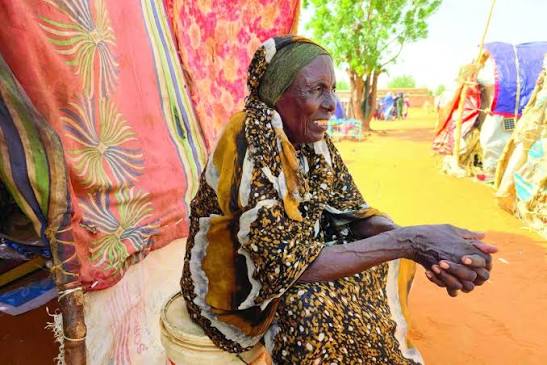
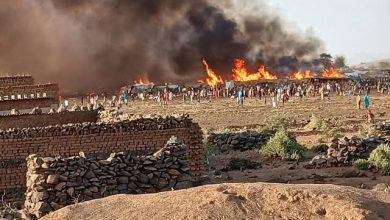
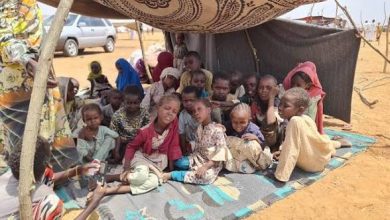
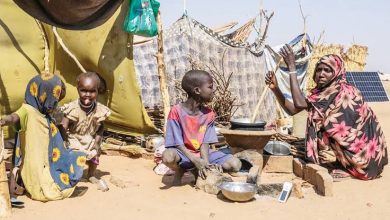
He noted that millions of Sudanese people remain displaced internally and externally as a result of the conflict, which has forcibly uprooted families from their homes. Many have lost their property and savings and are unable to secure even a single meal a day to sustain themselves. This is particularly true of displaced people living in deteriorating tents in displacement camps, where they depend on community solidarity and wait for humanitarian aid convoys.
The researcher added that “plans developed while the war is still raging cannot be considered effective solutions. Displacement has become one of the biggest drivers of poverty. Displaced people urgently need to return safely to their areas of origin, with security, essential services, and employment opportunities guaranteed. In my view, unless these obstacles are addressed, such plans will continue to demonstrate a disregard for the suffering of millions of displaced people, both inside and outside the country.”