The ongoing war in Sudan has led to a catastrophic worsening of the street children crisis, dramatically increasing their numbers and exposing them to death, hunger, forced recruitment, and homelessness.
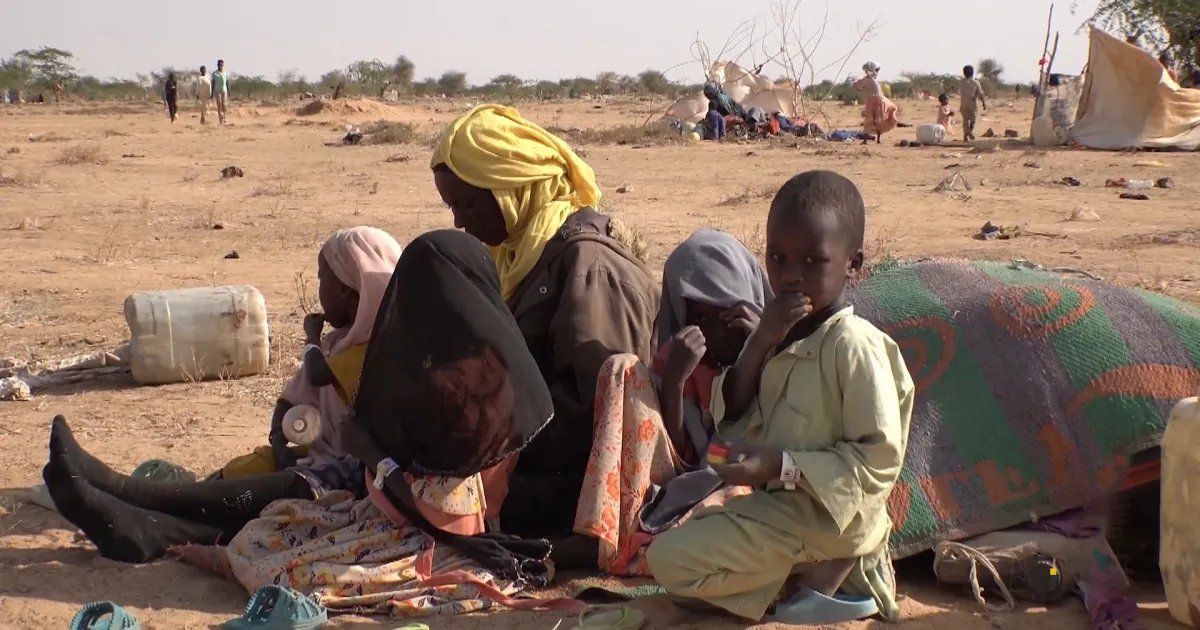
Displacement conditions have separated thousands of children from their families, leaving them homeless under harsh circumstances. At the same time, the country has entered a phase of near-total institutional collapse, including the breakdown of social protection systems that were already fragile before the conflict.
According to field estimates, more than 20,000 children are living on the streets of Khartoum State alone, with large numbers spread across other states. The war has not only created displacement but has also reproduced and expanded the phenomenon. Since the outbreak of the conflict, around seven million children have been displaced, while thousands have lost their families due to bombardment and forced displacement.
A Complex Crisis
Al-Waleed Kamal Al-Din, a humanitarian activist, says that street children are not a new phenomenon in Sudan, but the current conflict has revived and intensified the crisis.
“The situation reflects a complex crisis where war, poverty, and institutional collapse intersect, pushing thousands of children—especially those already classified as street children—into the heart of one of the world’s most violent conflicts,” he said.
He added that displaced and homeless children have endured severe humanitarian conditions, lacking legal protection, social support networks, and official recognition following the collapse of social institutions that previously provided shelter, food, education, vocational training, and various forms of assistance.
“Once these children found themselves outside protection frameworks, the war became an attractive force,” Kamal Al-Din continued. “Monthly salaries and access to weapons have become incentives, contributing to the dangerous reproduction of the phenomenon.”
He noted that the participation of street children in armed conflict and their recruitment into fighting groups—including formations such as the “Mountain Lions”—suggests that large numbers of minors may be involved. International reports have also indicated the recruitment of children under the age of 18.
According to Kamal Al-Din, poverty has played a decisive role in this dangerous shift. Many children work on the streets to support their families, but exploitation and hardship have driven some toward armed recruitment, which offers a sense of belonging that appears real but is ultimately false.
He also pointed out that although local initiatives provide support for these children, their impact remains limited. While they help reduce suffering and foster a sense of inclusion, there remains a clear lack of international support and insufficient pressure on the warring parties to uphold child protection obligations.
Far-Reaching Consequences
Even before the war, Sudan’s education system—particularly public education—suffered from inadequate funding and deteriorating infrastructure. The conflict has pushed the sector to the brink of complete collapse. International organizations estimate that approximately 14 million children are currently out of school.
Educational researcher Alawiya Al-Sharif explains that education has historically not been a priority for successive Sudanese governments, noting that spending on education has rarely exceeded two percent of public expenditure, while military institutions received significantly greater allocations.
“The absence of education during wartime means more than the loss of learning opportunities,” she said. “It also means the loss of protection. In many cases, schools represent the last barrier between a child and life on the streets.”
Al-Sharif warned that the growing street children phenomenon will have long-term consequences, leaving Sudanese society to confront a generation raised amid violence without education or protection, potentially leading to widespread ignorance and harmful social behaviors.
She stressed that street children are no longer merely victims but have become part of the conflict’s dynamics in a country where state institutions are eroding and social cohesion is weakening, turning them into fuel for a war over which they have no control.
The researcher further noted that global experiences show that reintegrating homeless children requires long-term and complex programs involving psychosocial support, education, and vocational training. Yet with the war ongoing and infrastructure destroyed, such efforts appear nearly impossible. Without urgent intervention, the problem is likely to persist long after the conflict ends.
Social Rejection
For his part, the Executive Director of the Darfur Victims Advocacy Organization stated that the suffering of street children amid the war between the Sudanese Armed Forces and the Rapid Support Forces continues to worsen due to difficulties accessing basic services.
He noted that many children have disappeared under unclear circumstances, while available evidence suggests that many have been recruited into armed groups, viewing military involvement as a refuge amid the insecurity and logistical challenges imposed by the conflict.
Approximately 36 percent of these children are reportedly homeless, while many face abuse and substance addiction due to the absence of both official and family care.
He further explained that street children are often viewed as a socially undesirable group and are frequently stigmatized as engaging in anti-social behavior. As a result, many people treat them with suspicion and fear, or wish for their complete disappearance from public spaces, rather than seeking to understand or protect them.
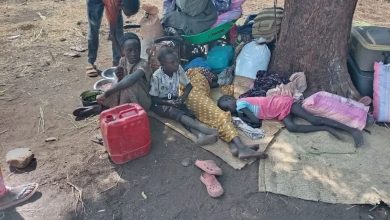
According to him, many children are forced to sleep in public places and drainage channels, surviving on leftover food. Meanwhile, armed groups continue to recruit them without regard for Sudan’s Child Protection Act or relevant international laws.
Concluding his remarks, the Executive Director emphasized that the ongoing war continues to increase the number of homeless and displaced children, particularly those fleeing from Darfur, Kordofan, and Blue Nile states. He called for stronger intervention by international organizations to address the situation of conflict-affected children and provide them with the care and protection they urgently need.