The Sudanese Council of Ministers has banned the import of more than 40 goods in a move aimed at curbing the depreciation of the national currency in parallel markets, while promoting local industries and supporting the national economy. The decision has, however, faced strong opposition from the National Chamber of Importers, which has threatened to challenge it in court.
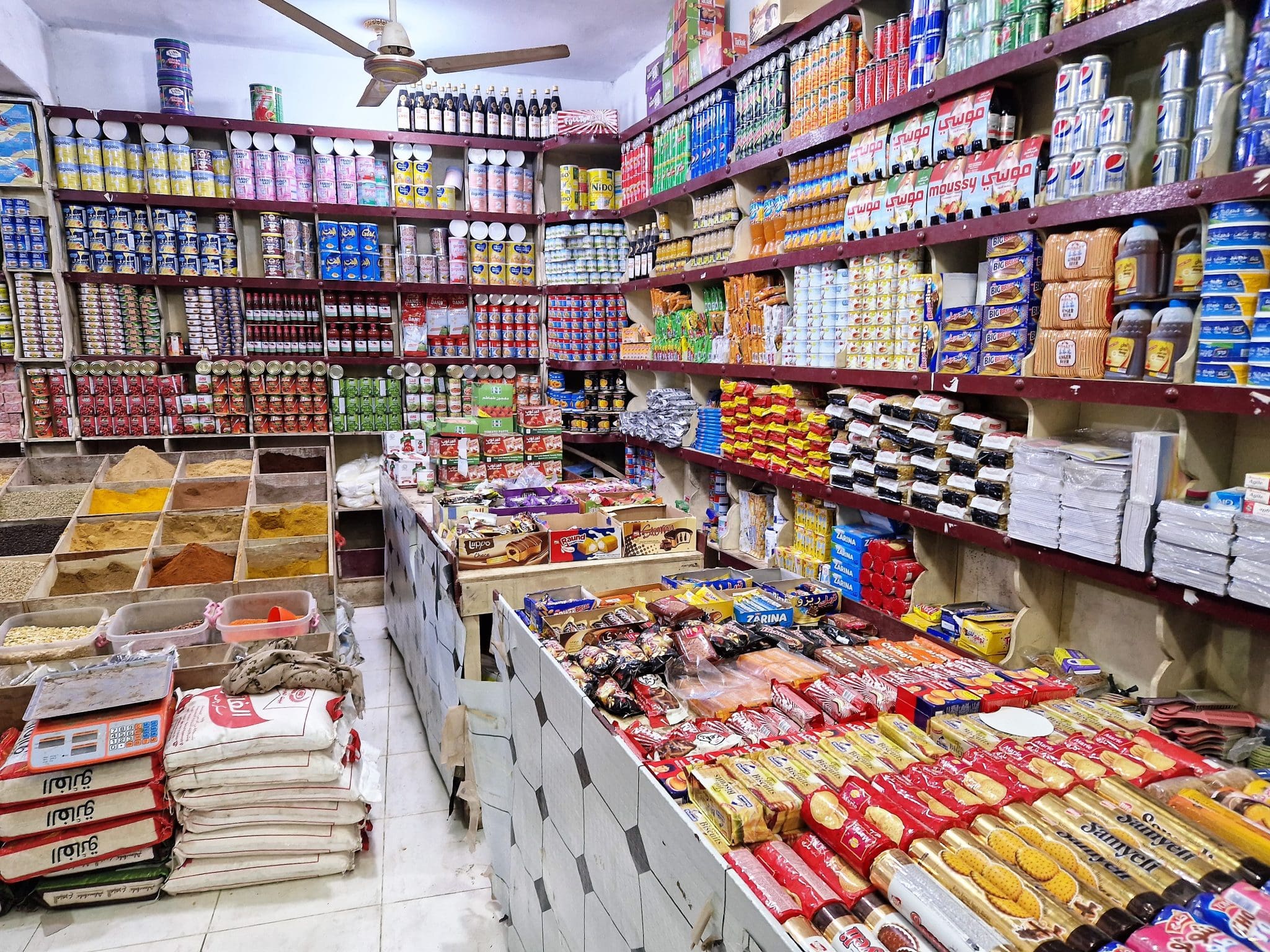
The ban covers a wide range of items, including ready-made dairy products (excluding powdered milk and infant formula), processed foods such as biscuits, sweets, jams, bottled water and soft drinks, ready-made juices, as well as ceramics, marble, textiles, furniture, fruits and vegetables, table salt, instant noodles, paints, laundry and bath soap, and cosmetics. These goods were classified as non-essential or luxury items.
The decision also directed the ministries of Cabinet Affairs, Industry and Trade, Finance, the Customs Authority, and other relevant bodies to take immediate measures to implement the ban, as part of efforts to ease pressure on foreign currency reserves and reduce demand for non-essential imports.
In its initial response, the National Chamber of Importers rejected the decision, describing it as “catastrophic and poorly studied,” and warning of potential consequences on living conditions, including shortages of goods, and the encouragement of monopolies and smuggling.